Arts of Oliver Winery – Summer 2016

img_2710


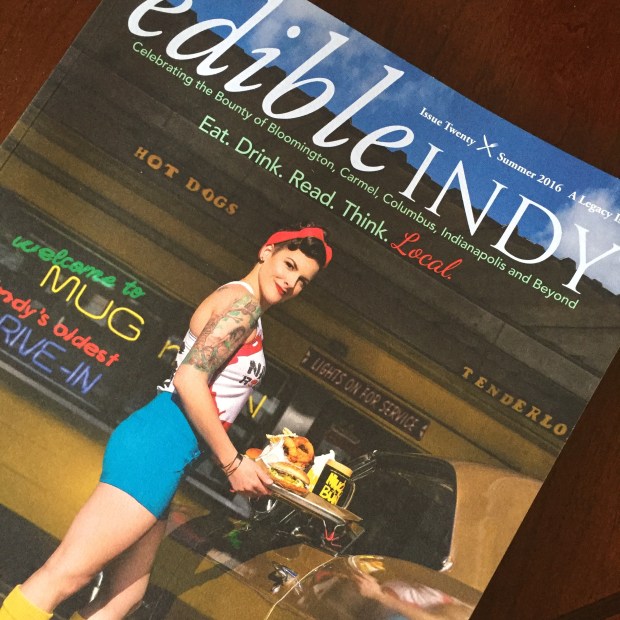
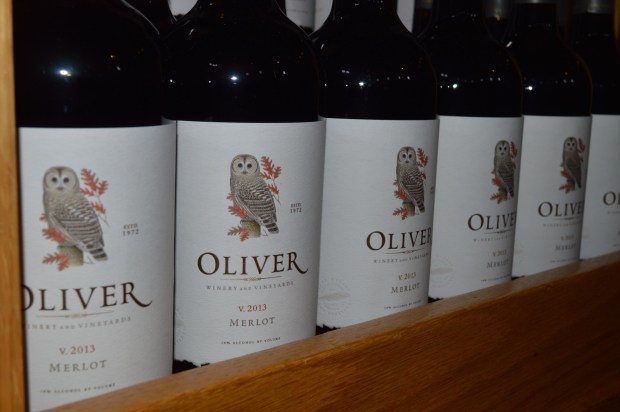
DSC_0064.jpgCheck out my article in the summer issue of Edible Indy Magazine about Oliver Winery’s unique art labels. You don’t have to go to a museum for the best of local art!

Kevin Pope and Ken Bucklew are masters in painting the cultural and natural landscapes of Indiana. Conversations like these make such short pieces well worth the effort. Even if you don’t get a chance to read the article please look up their work. You’ll laugh, you’ll relax, most of all you’ll find Indiana to be much more interesting than corduroy corn fields (although that too is quite mesmerizing!)


Hungryphil eats Cincinnati, Ohio 


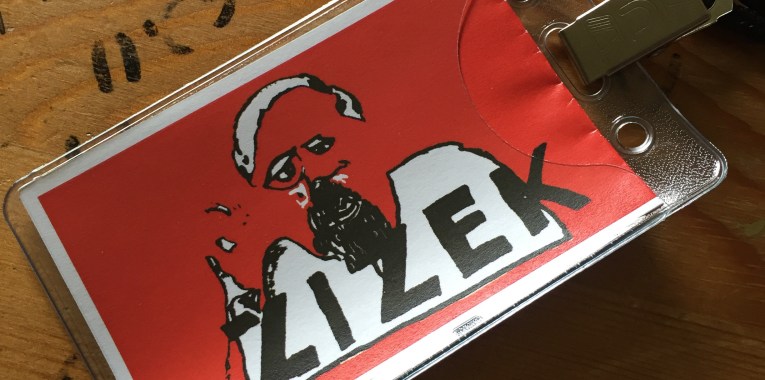
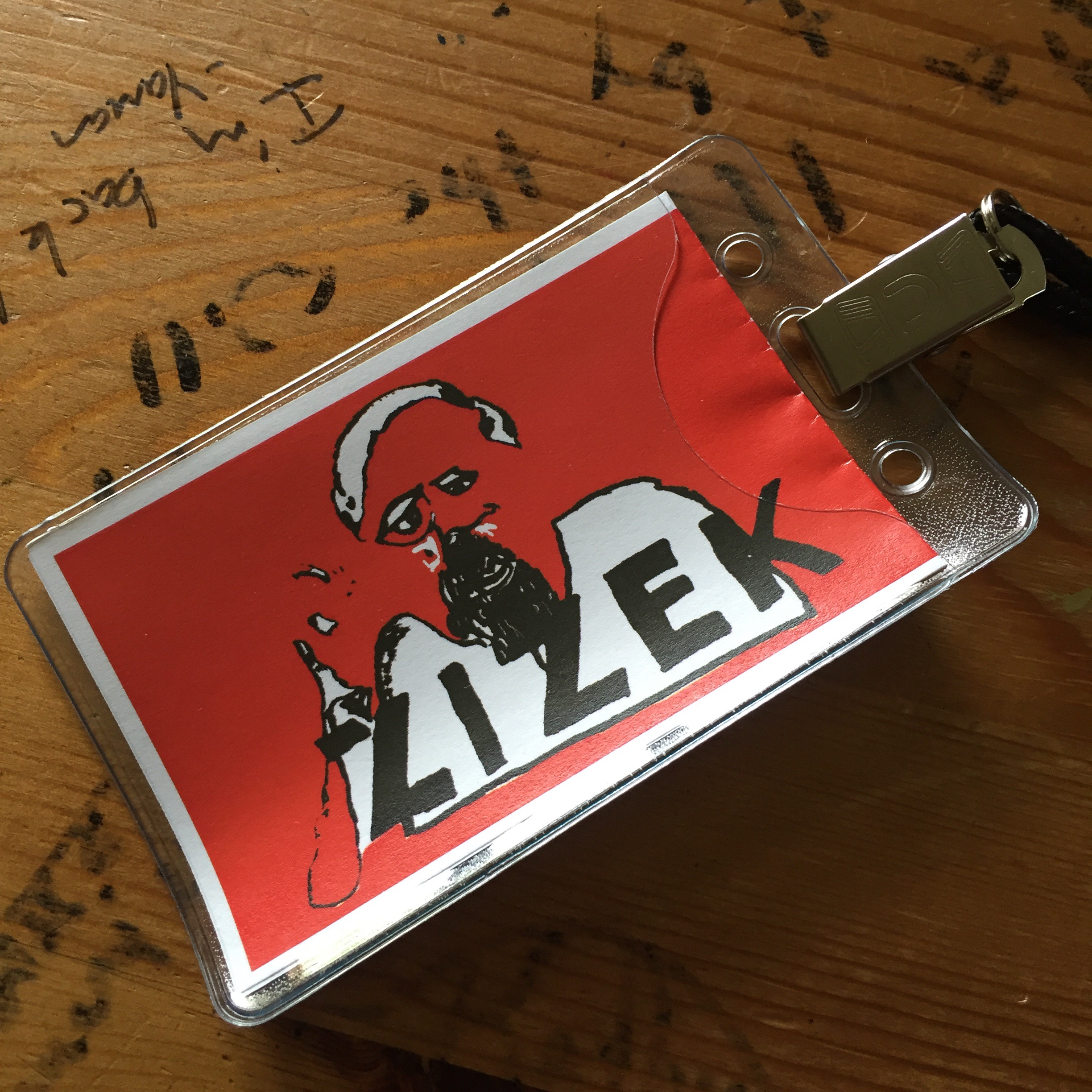
I was drawn to Cincinnati by the International Zizek Studies Conference and it’s keynote speakers:  Slovenian philosopher Slavoj Zizek, himself and Graham Harman (a pivotal figure for Object Oriented Ontology), a philosopher now teaching at Southern California Institute of Architecture (after having taught at the American University  in Cairo for 18 years). I was drawn by the promise of philosophical convergence and confrontations between materialism and idealism. Also, where else could I speak about Zizek’s uncomfortable coupling of charity and sanctimony? In their keynote lectures, Zizek asked and answered the question “Am I a philosopher” while Harman responded to Zizek’s critique of OOO in Objects, objects everywhere. Both deserve more than a quick blog post, so I’ll stop here. I continued to see such convergences and confrontations everywhere in Cincinnati. Here are a few examples:

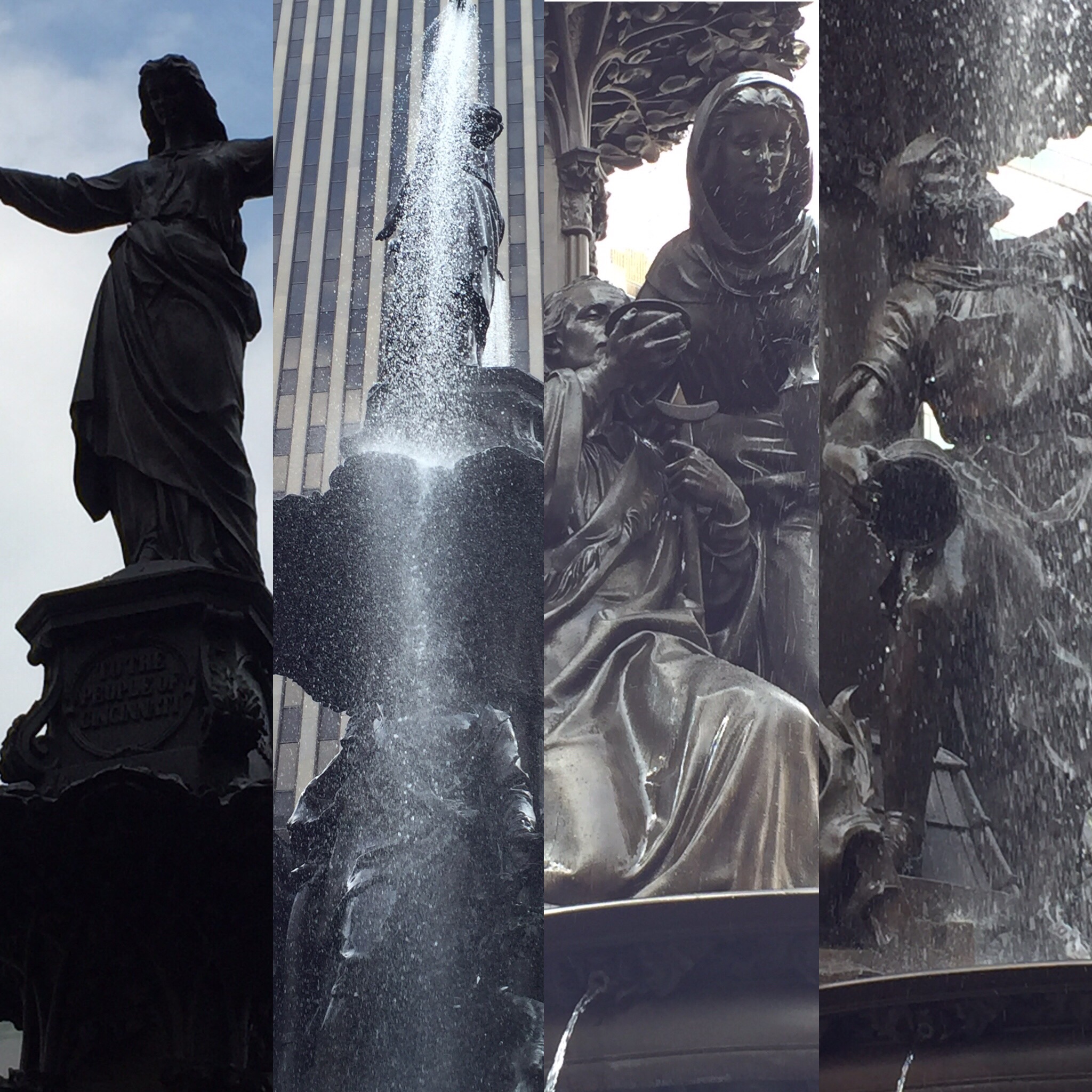
The beautiful Fountain Square Fountain (1871) depicting a farmer and a firefighter/ citizen who flank an allegorical water goddess. The fountain  that now functions as the practical center of queen city was moved multiple times and renovated. A literally and symbolically moving Cincinnati center aimed to “represent the blessings and benefits of water.”
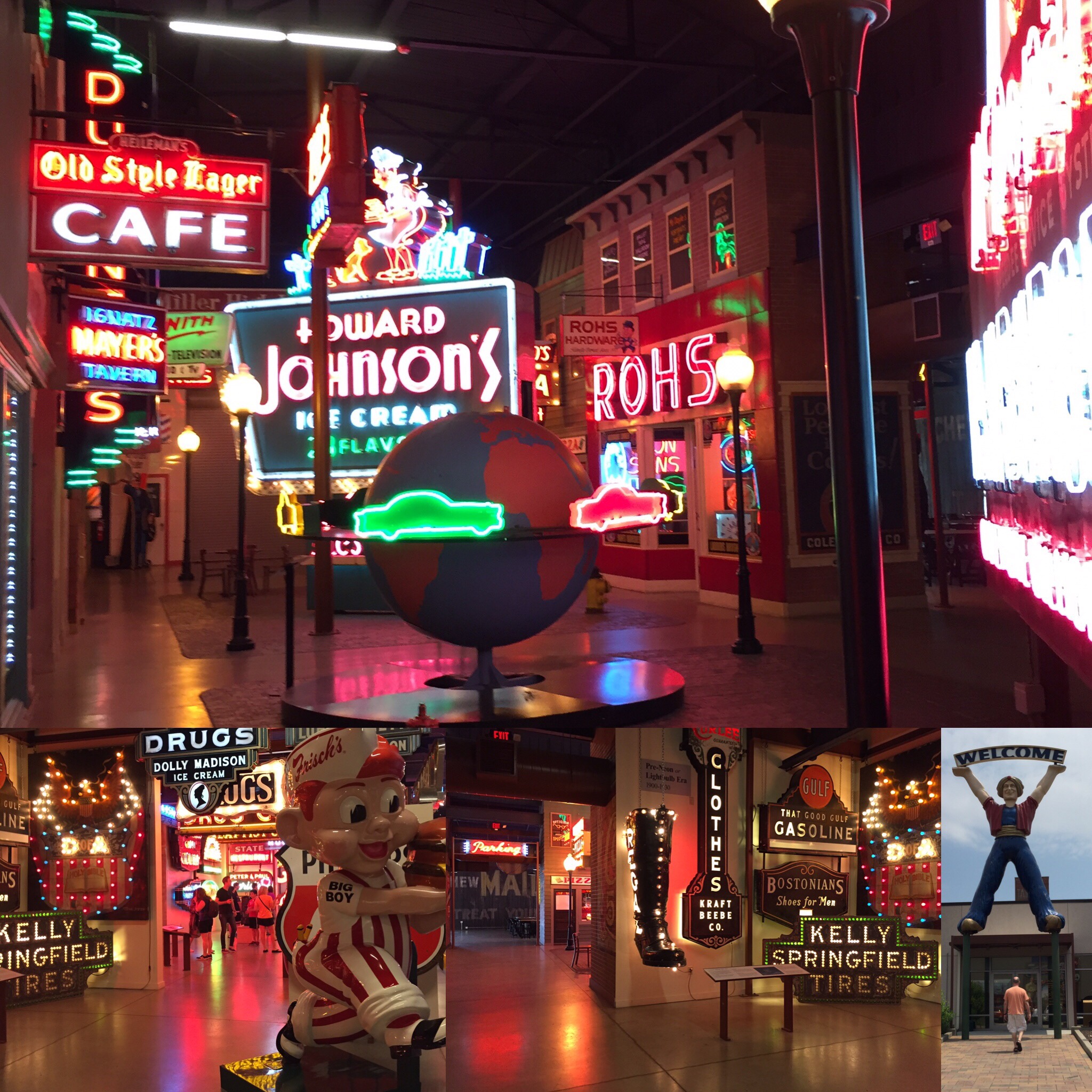
The American Sign Museum displays a history of signs from 19th-century wood carved signs to 20th century of light bulb, neon and plastic signs. The signs that advertised the value of gold-leaf and handcrafted signs were particularly fascinating. Advertising, advertising….my head hurts.

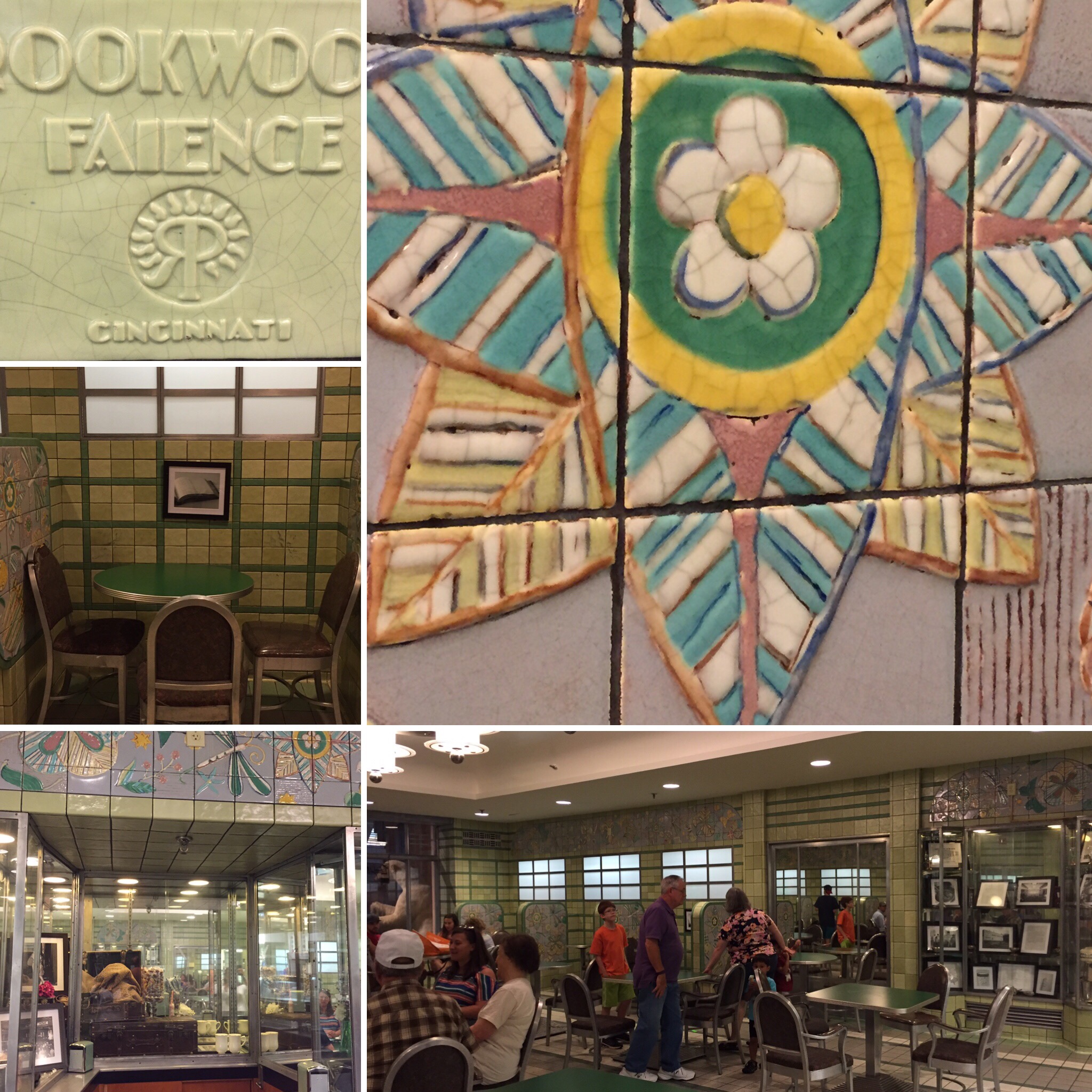
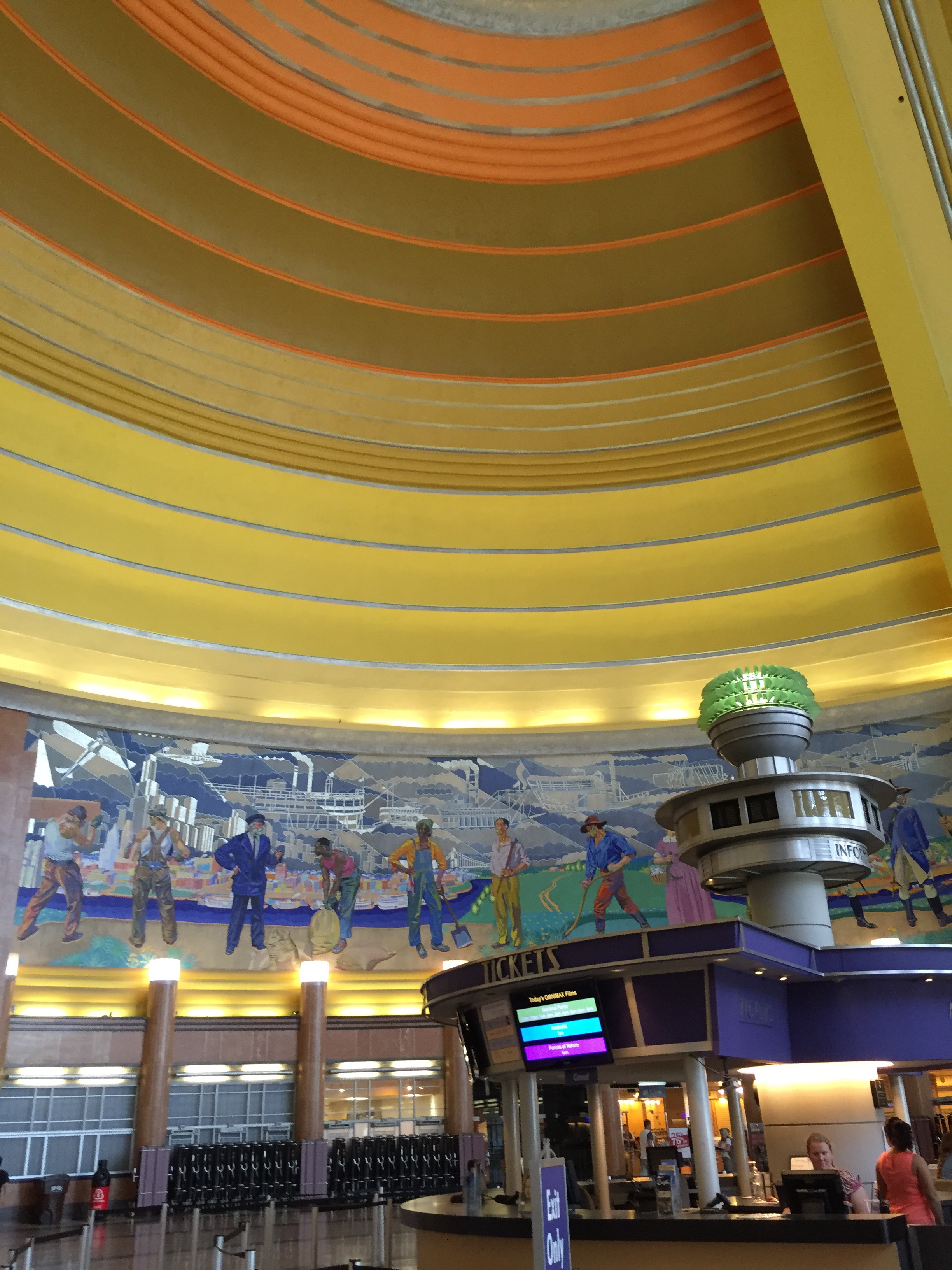
The commercial and public application of arts and crafts principles appear in examples of Rookwood Pottery. Their work can be found at the tearoom at the Union Terminal, a grand train station built as the economy fell and train transportation declined. The second largest half dome in the world after the Sydney Opera House, it is worth a visit.  Awe-inspiring in scale, exuberant in color and ironic in fate as a temple of transportation turned museum. Note the murals depicting the story of transportation evolution on land and water. Like the subway tunnels built for the city that were never used, the grand station shows that sometimes the best of human intentions are not fulfilled. Things happen. I feel for Cincinnati.

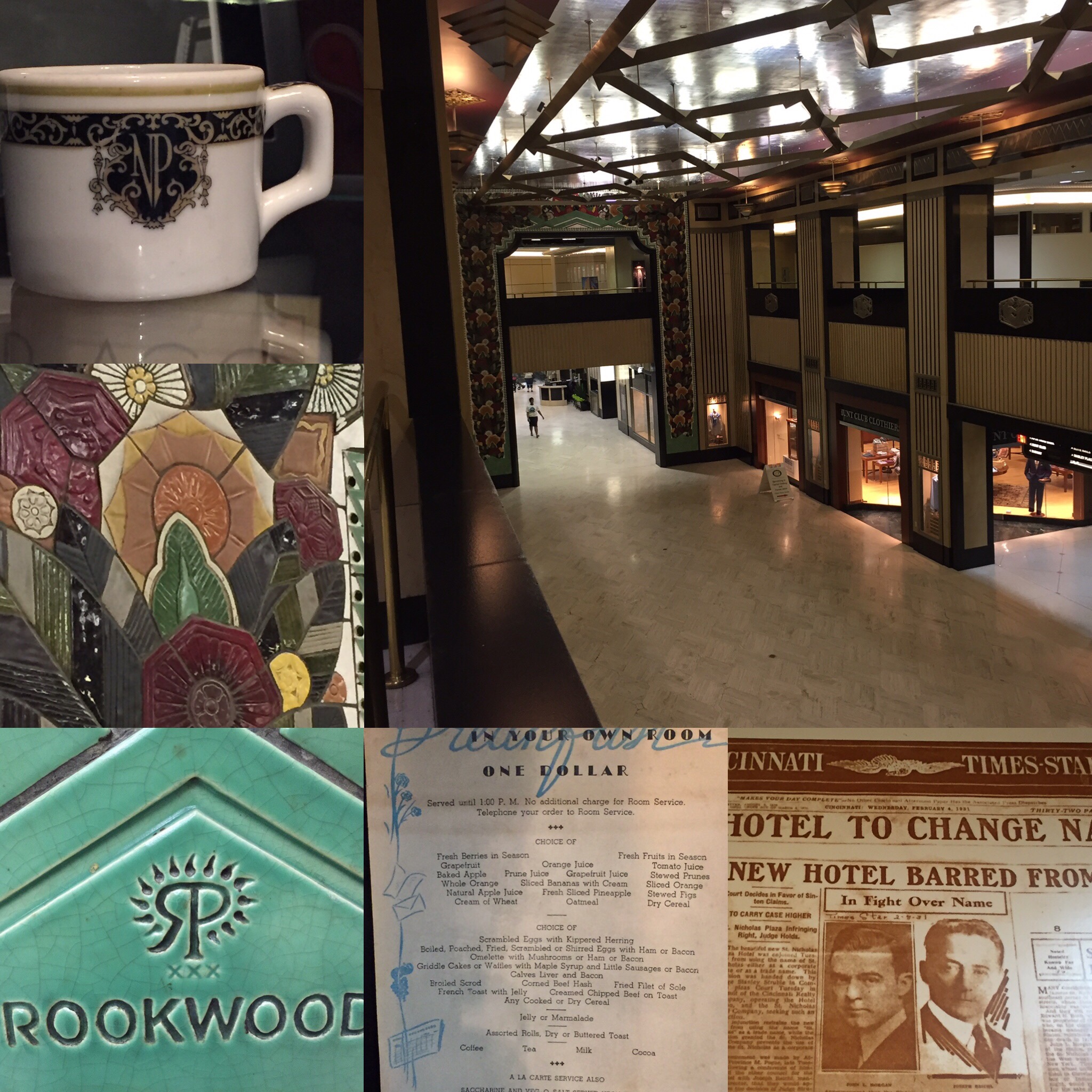
The now  Cincinnati Hilton- Netherland Plaza has a wonderful story. Historically named St. Nicholas Plaza, the hotel boasted it’s brand on all things, only to be sued for having used an existing name. The new name of the hotel had to fit the already branded dishes. Hence, St. Netherland Plaza. Like Union Terminal this grand structure opened in depression era 1931, created a lot of jobs and kept it’s owner out of bankruptcy.

Along with these grand ironies, Cincinnati also hosts vegetable races for the media at the annual Taste of Cincinnati.

A diversity of food traditions,

and opinions…..

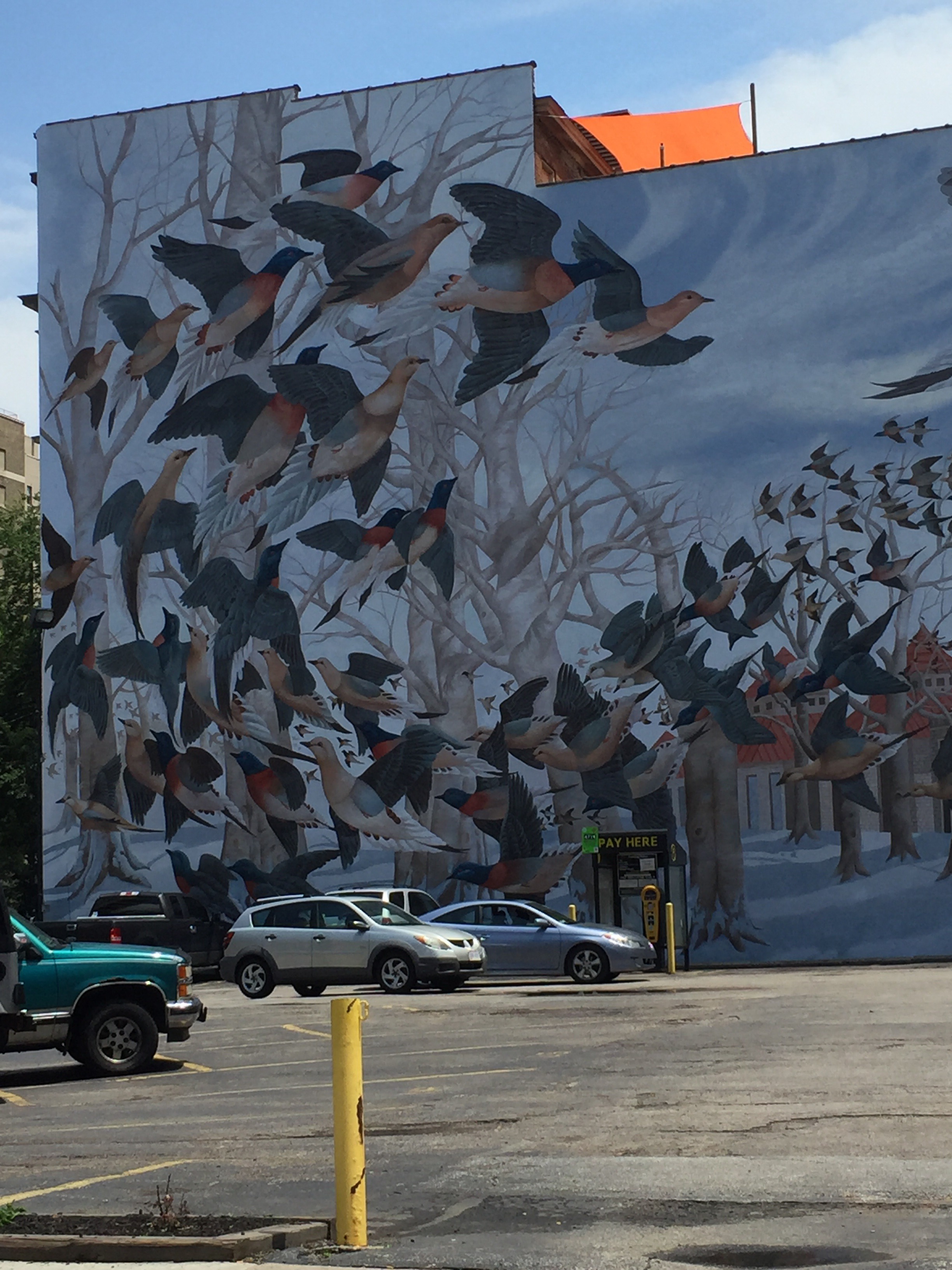
Graham Harman, in his talk, mentioned that real things are able to hold contradictions. If so, Cincinnati is certainly a real city where beautiful birds fly out of an empty parking lot.  There are murals everywhere highlighting the ever evolving struggle of a city historically poised at the edge of freedom (The National Underground Freedom Center is there too). I learned as much from the city as I did from the conference. Wonderful trip.

Wishing you nourishing travels,

Hungryphil

Testing The Essential Wok Cookbook

IMG_2605

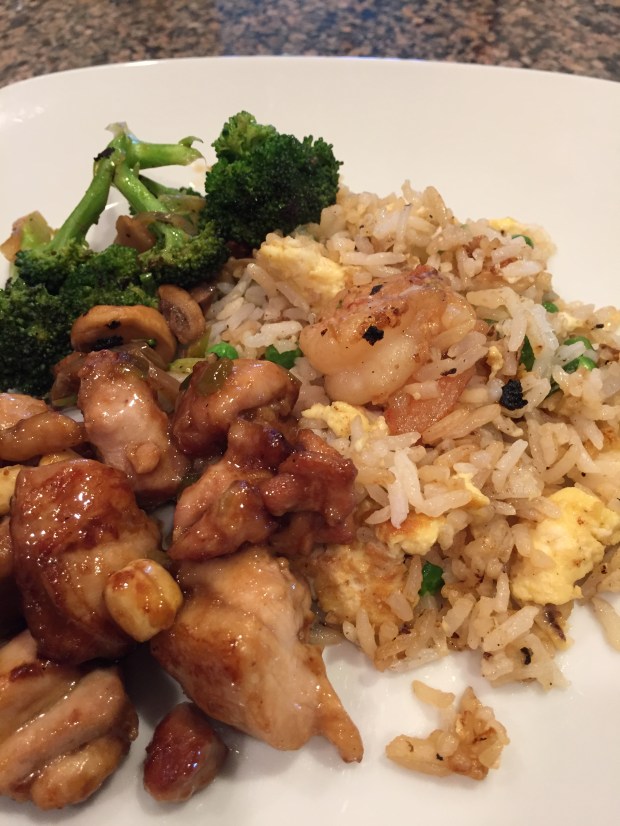
Last week we tested and tasted recipes from the Essential Wok Cookbook by  Naomi Imatome-Yun.   Shrimp Fried Rice, Kung Pao Chicken and Wok Seared Broccoli. I learned that buying a bottle of Chinese cooking wine and Szechuan peppercorns are worth the very small investment. The recipes were easy to follow and offered substitutions for special ingredients like balsamic for Chinese black vinegar. We were happy with all the dishes. Kung Pao is one of my favorites and I was so happy to be able to make it at home. Maybe next time I’ll try it with Shrimp and mushrooms.  A few simple tricks surprised me, like orange juice in the broccoli.

Chocolate Fudge Pie

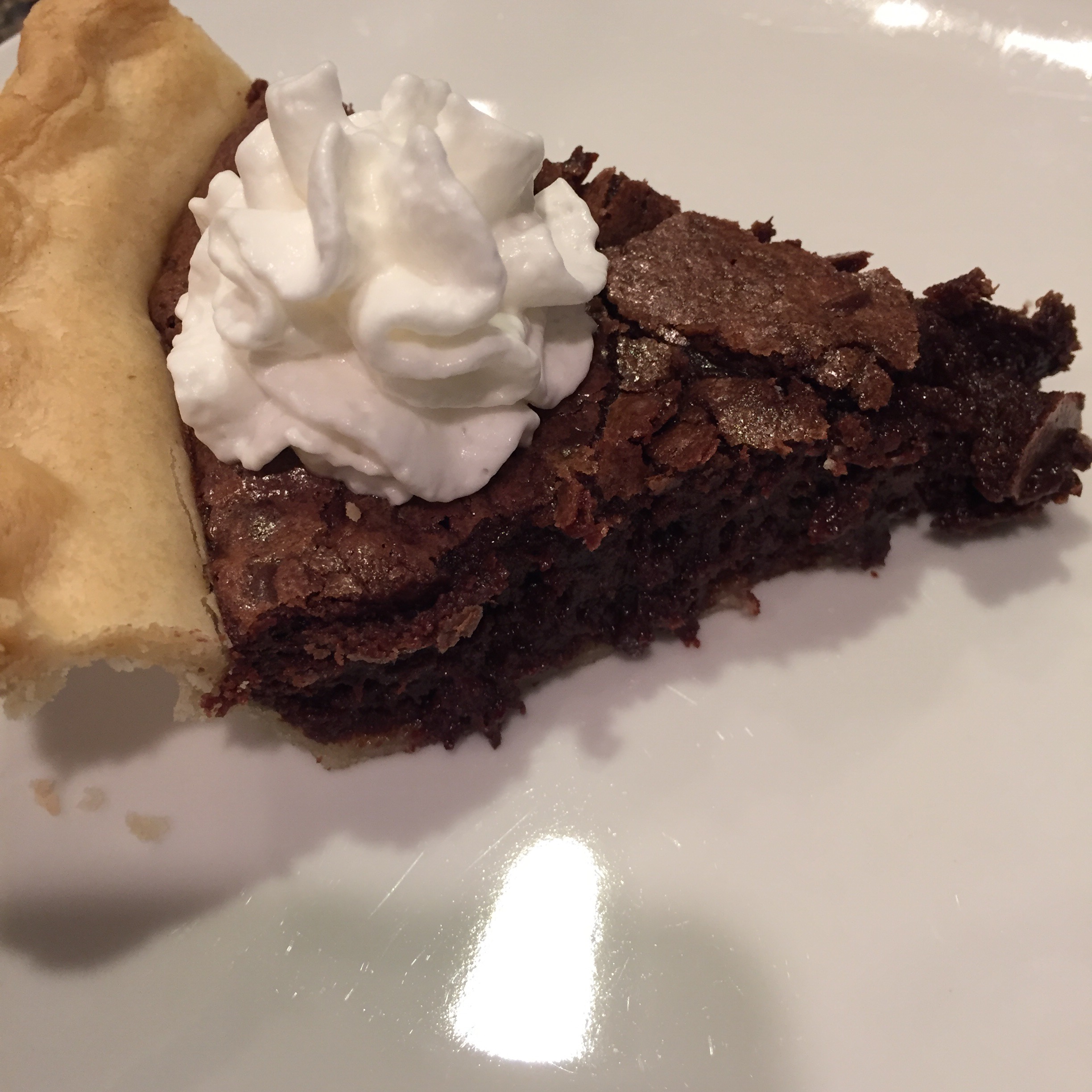
This is totally unrelated to the Wok Cook Book but still worth mentioning. I’ve tried this before and I think I may have cooked it too long in the past. This time, I took out the pie right at 30 minutes while still soft at the center and it was perfect. Once cooled and set, the chocolate was a perfectly melty- without falling apart. The recipe comes from Tricia’s Fantastic Fudge Pie. Definitely, add the chocolate chips that the recipe says are optional.

We also made Swedish Meatballs with Lingonberry jam, buttered egg noodles and green beans. No pictures. Totally forgot. The meatballs were held together by bread crumbs made from the ends of the bread used for  homeless shelter Sandwiches last week. The sauted and softened onions give the meatballs a gentle sweetness. The sourcream in the otherwise simple gravy adds tang and body. Here is the Swedish Meatball recipe. I have a whole bunch of bread crumbs left. Ideas?

Wishing you all a delicious week ahead,

Hungryphil

September On Jessore Road – Food Poem by Allen Ginsberg

This is not a celebration of food poem but rather about scarcity. Allen Ginsberg was writing about famine and war in Bangladesh, then East Pakistan, 1971.

Millions of babies watching the skies
Bellies swollen, with big round eyes
On Jessore Road–long bamboo huts
Noplace to shit but sand channel ruts

Millions of fathers in rain
Millions of mothers in pain
Millions of brothers in woe
Millions of sisters nowhere to go

One Million aunts are dying for bread
One Million uncles lamenting the dead
Grandfather millions homeless and sad
Grandmother millions silently mad

Millions of daughters walk in the mud
Millions of children wash in the flood
A Million girls vomit & groan
Millions of families hopeless alone

Millions of souls nineteenseventyone
homeless on Jessore road under grey sun
A million are dead, the million who can
Walk toward Calcutta from East Pakistan

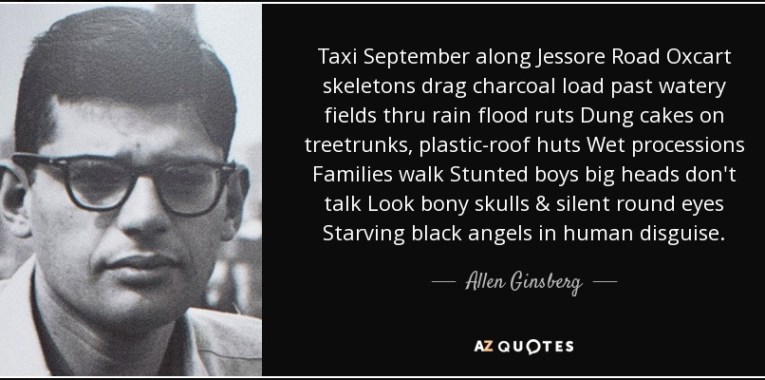
Taxi September along Jessore Road
Oxcart skeletons drag charcoal load
past watery fields thru rain flood ruts
Dung cakes on treetrunks, plastic-roof huts

Wet processions Families walk
Stunted boys big heads don’t talk
Look bony skulls & silent round eyes
Starving black angels in human disguise

Mother squats weeping & points to her sons
Standing thin legged like elderly nuns
small bodied hands to their mouths in prayer
Five months small food since they settled there

on one floor mat with small empty pot
Father lifts up his hands at their lot
Tears come to their mother’s eye
Pain makes mother Maya cry

Two children together in palmroof shade
Stare at me no word is said
Rice ration, lentils one time a week
Milk powder for warweary infants meek

No vegetable money or work for the man
Rice lasts four days eat while they can
Then children starve three days in a row
and vomit their next food unless they eat slow.

On Jessore road Mother wept at my knees
Bengali tongue cried mister Please
Identity card torn up on the floor
Husband still waits at the camp office door

Baby at play I was washing the flood
Now they won’t give us any more food
The pieces are here in my celluloid purse
Innocent baby play our death curse

Two policemen surrounded by thousands of boys
Crowded waiting their daily bread joys
Carry big whistles & long bamboo sticks
to whack them in line They play hungry tricks

Breaking the line and jumping in front
Into the circle sneaks one skinny runt
Two brothers dance forward on the mud stage
Teh gaurds blow their whistles & chase them in rage

Why are these infants massed in this place
Laughing in play & pushing for space
Why do they wait here so cheerful & dread
Why this is the House where they give children bread

The man in the bread door Cries & comes out
Thousands of boys and girls Take up his shout
Is it joy? is it prayer? “No more bread today”
Thousands of Children at once scream “Hooray!”

Run home to tents where elders await
Messenger children with bread from the state
No bread more today! & and no place to squat
Painful baby, sick shit he has got.

Malnutrition skulls thousands for months
Dysentery drains bowels all at once
Nurse shows disease card Enterostrep
Suspension is wanting or else chlorostrep

Refugee camps in hospital shacks
Newborn lay naked on mother’s thin laps
Monkeysized week old Rheumatic babe eye
Gastoenteritis Blood Poison thousands must die

September Jessore Road rickshaw
50,000 souls in one camp I saw
Rows of bamboo huts in the flood
Open drains, & wet families waiting for food

Border trucks flooded, food cant get past,
American Angel machine please come fast!
Where is Ambassador Bunker today?
Are his Helios machinegunning children at play?

Where are the helicopters of U.S. AID?
Smuggling dope in Bangkok’s green shade.
Where is America’s Air Force of Light?
Bombing North Laos all day and all night?

Where are the President’s Armies of Gold?
Billionaire Navies merciful Bold?
Bringing us medicine food and relief?
Napalming North Viet Nam and causing more grief?

Where are our tears? Who weeps for the pain?
Where can these families go in the rain?
Jessore Road’s children close their big eyes
Where will we sleep when Our Father dies?

Whom shall we pray to for rice and for care?
Who can bring bread to this shit flood foul’d lair?
Millions of children alone in the rain!
Millions of children weeping in pain!

Ring O ye tongues of the world for their woe
Ring out ye voices for Love we don’t know
Ring out ye bells of electrical pain
Ring in the conscious of America brain

How many children are we who are lost
Whose are these daughters we see turn to ghost?
What are our souls that we have lost care?
Ring out ye musics and weep if you dare–

Cries in the mud by the thatch’d house sand drain
Sleeps in huge pipes in the wet shit-field rain
waits by the pump well, Woe to the world!
whose children still starve in their mother’s arms curled.

Is this what I did to myself in the past?
What shall I do Sunil Poet I asked?
Move on and leave them without any coins?
What should I care for the love of my loins?

What should we care for our cities and cars?
What shall we buy with our Food Stamps on Mars?
How many millions sit down in New York
& sup this night’s table on bone & roast pork?

How many millions of beer cans are tossed
in Oceans of Mother? How much does She cost?
Cigar gasolines and asphalt car dreams
Stinking the world and dimming star beams–

Finish the war in your breast with a sigh
Come tast the tears in your own Human eye
Pity us millions of phantoms you see
Starved in Samsara on planet TV

How many millions of children die more
before our Good Mothers perceive the Great Lord?
How many good fathers pay tax to rebuild
Armed forces that boast the children they’ve killed?

How many souls walk through Maya in pain
How many babes in illusory pain?
How many families hollow eyed lost?
How many grandmothers turning to ghost?

How many loves who never get bread?
How many Aunts with holes in their head?
How many sisters skulls on the ground?
How many grandfathers make no more sound?

How many fathers in woe
How many sons nowhere to go?
How many daughters nothing to eat?
How many uncles with swollen sick feet?

Millions of babies in pain
Millions of mothers in rain
Millions of brothers in woe
Millions of children nowhere to go

https://www.nytimes.com/books/01/04/08/specials/ginsberg-jessore.html

Wobblyogi Wednesday – YTT Journal Week 16

I am a wobbyogi and I am scared of head stands. There…..I confessed. I don’t enjoy being upside down, never have, even as a kid. Struggled through gym class unable to do a forward roll or a cartwheel. Last time I tried hanging upside down in an aerial yoga class I felt nauseous and dizzy. My dislike and distrust of almost all inversions run deep.

This is exactly why, maybe I should practice towards a head stand. I may never get there. I am no spring chicken. But, the process of building up my arm and core strength is worth the effort. At the beginning of this training, even a chaturanga had been difficult. I still can’t roll my toes but I feel stronger and able to lower down into the pose slower. A crow and a head stand are the two poses I want to work towards. Having tangible goals might give my practice the consistency and direction it needs. The deeper yoga trick is to not let these soft goals feed ego-centric victory or self-defeating doubt. Finding that balance between ease and effort, like any asana practice or meditation takes practice. It is all about….practicing an intent-full instead of a task oriented life.

As a part of the teacher training four of us students offered a karma yoga class last night. We lead a yin yoga class to benefit our local food bank, Food Finders. We looked into books and websites by Paul Grilley, Bernie Clark and Sarah Powers. Debra Steinhauer, who teaches Yin at Community Yoga offered much needed advice. We considered issues like talking and silence, timer chimes and music, props and modifications, lighting and more. This is really a beautiful time in our yoga teaching journey where we are getting comfortable yet still remain very much aware of all the details. When we started we didn’t even know the details or the questions to address. Next step would be to drop the nervousness that goes along with awareness of all that could go wrong. From my other teaching experience I know that teaching can easily become mechanical like a reflex. In such cases, challenging oneself to present material in new ways becomes the challenge. For now, how nice to be able to thoughtfully plan and semi-comfortably lead a session together. It was most satisfying to hear that our yogis felt relaxed and didn’t pick up on our inner anxieties. Next step, for each of us, is to lead an hour long session on our own in the coming and last few weeks of yoga teacher training. What a trip!

I didn’t begin this journey with the expectation of teaching but it soon became apparent that my own path depended on sharing the road with others.

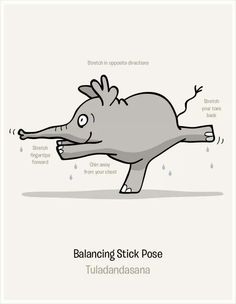
Here’s one way to get into a head stand and a crow pose. Wish me luck!

Much love,

The wobblyogi

headstand_c_162368.jpg

Image from: http://www.memecenter.com/tag/headstand


Shelter and Potluck Cooking

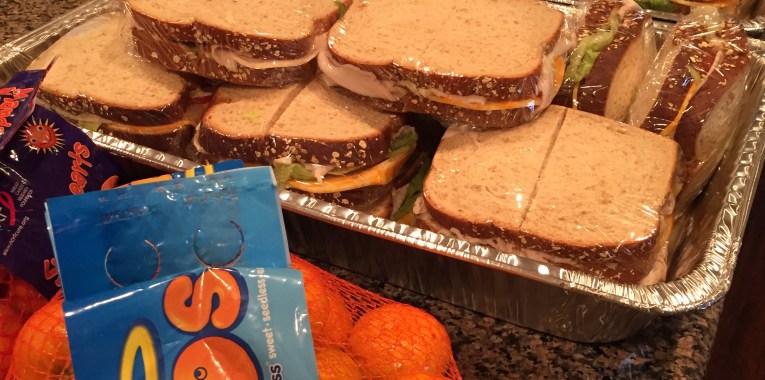
Last Friday was my day for spring homeless shelter dinner hosting. The Lafayette Urban Ministry requests sandwiches in spring instead of the winter soups. So, turkey sandwiches it was. Jim and I made 32 sandwiches for about $130 dollars. Took just an hour to assemble. It always astonishes me how easy it is to share 32 meals and I regret not doing it more. Maybe this could be a monthly event for us. It is so meditative for me to stir or construct a simple but large meal. Working with good ingredients like fresh in season tomatoes or hearty bread makes me happy. It’ll take another post for me sing an ode to tomatoes in season…..red, juicy, sweet, maybe in August. For now, strawberries still own the moment.

Sunday we took a caprese salad and a spinach-strawberry-blue cheese-pecan salad for Atiya’s dance team banquet. That was a super quick assembly for a fun gathering. Layering the beautiful bright spring colors of red and green was also therapeutic for an otherwise unseasonably cold May weekend in Indiana.

It takes practice to dissolve the anxiety of cooking for a crowd by finding the balance between attentive effort and practical ease. An anxious host makes everyone feel uncomfortable and guilty. Carrying food elsewhere can be a good way to enjoy the cooking process without feeling the burden of hosting an event. Releasing the quest for perfection can help so many aspects of our lives, from dinner hosting to yoga. Food matters, but never more than the people invited. I simply wanted the sandwiches to be one tiny good thing in an otherwise stressful unpleasant day for shelter guests. At the potluck, I wanted to show my respect for our small community of dance parents who I have endured three competition weekends with. When I remember why I’m doing something burden becomes gratitude. I am grateful that I am able to give and grateful for the other parents who struggle with me to raise happy daughters.

Here is a short but sweet story about party hosting.

Wishing you all a delicious work week ahead,

Hungryphil


Shrimp Koftas In Coconut Sauce

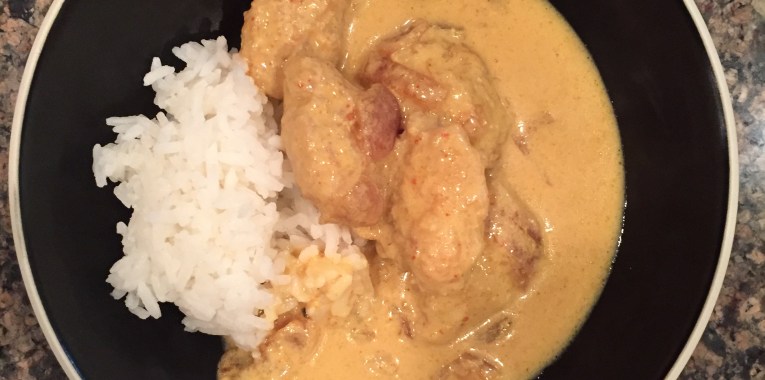
This recipe, from Khulna, is adapted from my favorite Bangladeshi Regional Cookbook. It is similar to the traditional coconut shrimp recipe, Chingri Malaikari except the shrimp is formed into koftas (meatballs) and the sauce is spicy, sweet because of the combination of  roasted onions and chili powder. The ground shrimp balls are airy and almost have the consistency of a dumpling. The spongy texture absorbs the sauce more than intact whole shrimp. It doesn’t really stretch the shrimp because no fillers, breadcrumbs or otherwise is added. But, it is a good use for small or medium shrimp. I wonder if this would be good with polenta or grits, a deshi adaptation of southern shrimp and grits?

IMG_2039Shrimp Koftas in Coconut Sauce (Chingri Koftai Narkel)
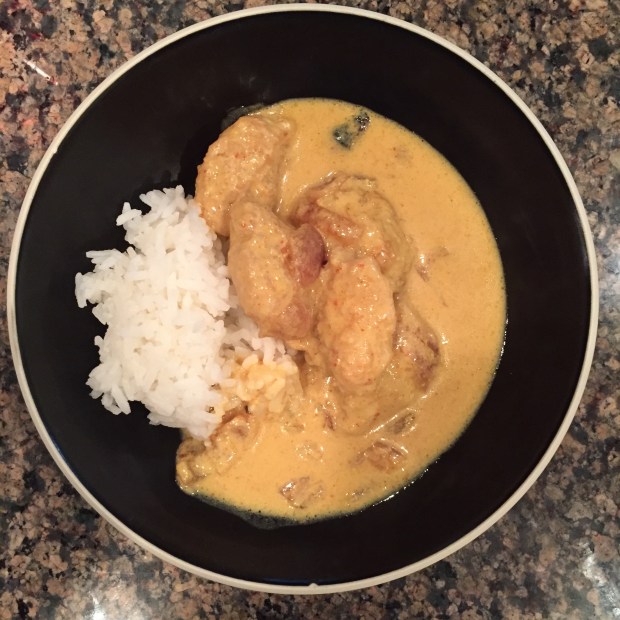
  1. Process shrimp in a food processor until smooth, yielding a cup. This a good recipe to use small and medium shrimp (preferably on sale).

  2. Saute a cup of chopped onions until roasted and brown.

  3. Add 1 teaspoon ginger paste, 1/2 teaspoon garlic paste, 1 teaspoon chili powder, 1/2 teaspoon tumeric and fry until fragrant (about a minute). The oil will roast all the spices into a sauce. Add a splash of water to keep it from sticking to the pan.

  4. Add 2 cups of coconut milk (one can).

  5. Bring to a simmer. Drop spoonfuls of the ground  shrimp into sauce.

  6. Simmer on low. High heat will break up the delicate shrimp meatballs. Shrimp cooks very quickly.

  7. Add a stick of cinnamon, 2 cardamom pods and a bay leaf and remove from heat. Sprinkle sugar over the tops of the koftas. This adds a sheen and a contrast against the spice.

  8. Serve with rice. Makes about 4 servings.

IMG_2584.JPGIMG_2585.JPG

It was very well recieved by Atiya and Jim. A keeper recipe for me. I hope for you too!

Happy eating,

Hungryphil

Wobblyogi Wednesday- YTT Journal Week 15

We are at 15 weeks! How fantastic that our yoga training keeps broadening into an endless horizon. I’m excited about exploring this sense of an internal landscape with high points and low, movement and stillness, sunshine and rain. For the first time in my life instead of looking outward for answers, in books, in art, in movies, in experts, in philosophy, I am looking inward. It is tremendously empowering to feel self-sufficient. I don’t feel this euphoria all the time but I do see glimpses more often than I used to. I know it is there and some days I can coax it out of hiding through asana practice, meditation, walking or just taking a few slow, intentional breaths.

We’ve been covering anatomy for a while. Today I am fascinated by our bony architecture. How strange that the weight of our hands, arms and shoulders are carried back through the scapula, clavicle then the sternum in front to release into the ribs and then down the spine. Our weight doesn’t just move directly downward but moves through us in circuitous ways. What amazing joints we have in our hips and shoulders that are able to rotate AND support. The universal elegant dance of “Sthira” and “Sukha” or stability and movement plays out within us, literally in our bones. The spine, itself, such a wonderful example of strength and flexibility, of softness and structure, of squishy and rigid. No wonder the spine is such a good indicator of emotional and physical well being. In the clip below Leslie Kaminoff talks about how we physically suppress emotions, how we “hold” anger, worry, resentment, and anxiety.

Sending uplifting thoughts that might lessen the burden on your bones,

Wobblyogi


The East Berliner, 1989 – Food Poem by Ginger Murchison

The humble banana becomes an expression of welcome, joy, defiance, transition, love, plenty and evidence in this unlikely food poem. Enjoy!

They didn’t come for the bananas,
but everyone who came through
that hole in the wall wanted one,
the West ready with its Welkommen!
mountains of yellow.
After twenty-eight years of concrete-cold
days and only those few flowers
defiant in the cracks of denial,
imagine the yellow-fresh sight,
that spike on the tongue,
the fireworks and flares
shot through the half-language
of heavy machines shattering
the cold Baltic chill, the half-song,
half-wail of horns, sirens and shouts
and behind it all, Beethoven’s 9th,
then that East Berliner, shuffling out,
hatless and dazed in a worm-eaten brown coat
to see it, and not believe it—
the bright yellow word he’ll take home
to his wife, tight in his fist.

“The East Berliner, 1989” by Ginger Murchison from A Scrap of Linen, A Bone. © Press, 53, 2016.

From: http://writersalmanac.org/

Strawberries – Food Poem by Paul Martin

It’s ripe strawberries that bring me
to my knees in the garden this morning,

impossibly big and red as those
on the covers of gardening magazines in January

and almost as sweet as the small wild ones
my brother and I picked up on Best’s Hill,

eating more than we dropped into the coffee cans
our mother fitted with wire handles.

If a cloud moved across that blue sky
casting a shadow, I didn’t notice,

the snakes we were warned about
never appeared, and who could see,

even in that brilliant light,
beyond the quiet hills all the way to Vietnam

and the war he’d carry back with him.
Heads down we browsed through the field

until we were filled and drowsy,
sprawled next to each other in the warm grass,

juice smeared across our T-shirts,
our mouths and hands.

“Strawberries” by Paul Martin from Closing Distances. © The Backwaters Press, 2009.

from http://writersalmanac.org/