Empowered Filter

“OOO holds no grudge against the socio-political interpretation or effectiveness of art, but simply insists that not all of the elements of the context of an artwork are relevant to that work, and that an artwork either admits or forbids its surroundings to enter through a fairly rigorous process of selection.”

Harman, Graham. Object-Oriented Ontology (Pelican Books) (p. 102). Penguin Books Ltd. Kindle Edition.

The above is a quote by Object Oriented Ontology philosopher Graham Harman. It makes me wonder how would an artwork “admit or forbid its surroundings to enter”? Suppose I am a human object aspiring to be an artwork, how I relate or negate my context, how I compound or distance myself from other objects would reshape me as a sensual object. Right?

Me as an object among other objects am not just a “person in environment” as social work teaches us, but enmeshed, compounded, yet distinct. Depending on how I admit or reject my context, other things, other objects shifts my status as a quadruple object, a sensual object and a composition of sensual qualities. Maybe at the moment of filtering there is freedom? Maybe as an object I can change? I can recreate my compound object existence? What is my own process of “rigorous selection”? Can I think through this quote about artwork in the context of counseling?

To what extent do you consider yourself a product of your context?

When you introduce yourself, what elements of your context are relevant ? Where you grew up, went to school, what you do, your parents, your family, children, your race or religion………

Just a wondering. I need to sit with this for a while.

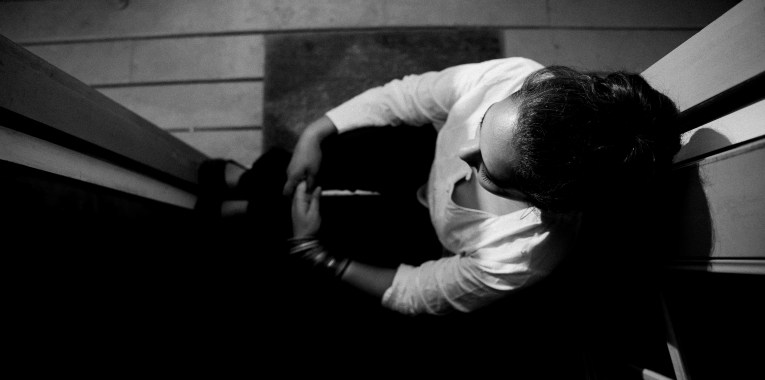
Photography by: Nate Dale – New Adventure Productions
OOO Poem – Six Inches by Jeff Comer


One minute I’m meandering down
a country road on a magnificent fall day,
lost in thought, radio playing,
and the next minute I feel my wheels

on the loose gravel of the shoulder,
there’s a deafening bang and I’m
climbing out of what’s left of my car.
The cop who came to investigate

was pretty sure I’d been speeding
but settled for lecturing me about how lucky
I was to walk away from such a crash,
that I’d be dead if my car had hit the tree

just six inches further to the left.
Anyone could see that what he said was true,
but it also struck me as I stood there
watching his car flash red and blue

that it was equally true the accident
would not have happened at all
if a raging storm some sixty years ago
hadn’t blown an acorn six inches closer

to the road than where it would’ve landed
on a day as sunny and calm as the one
we were in. It was a point I thought deserved
serious exploration—though perhaps

not just then, I decided, with a hundred birds
singing their tiny hearts out overhead
and the sky raining down yellow leaves,
and definitely not with the cop.

“Six Inches” by Jeff Coomer from A Potentially Quite Remarkable Thursday. © Last Leaf Press, 2015.

From the Writer’s Almanac https://writersalmanac.org/page/2/


Hungryphil eats Cincinnati, Ohio 


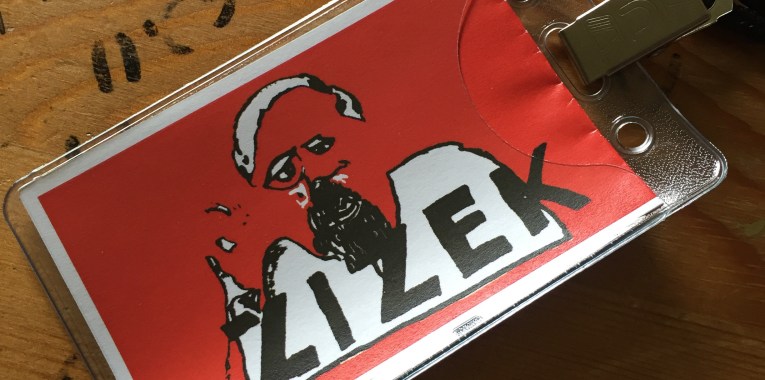
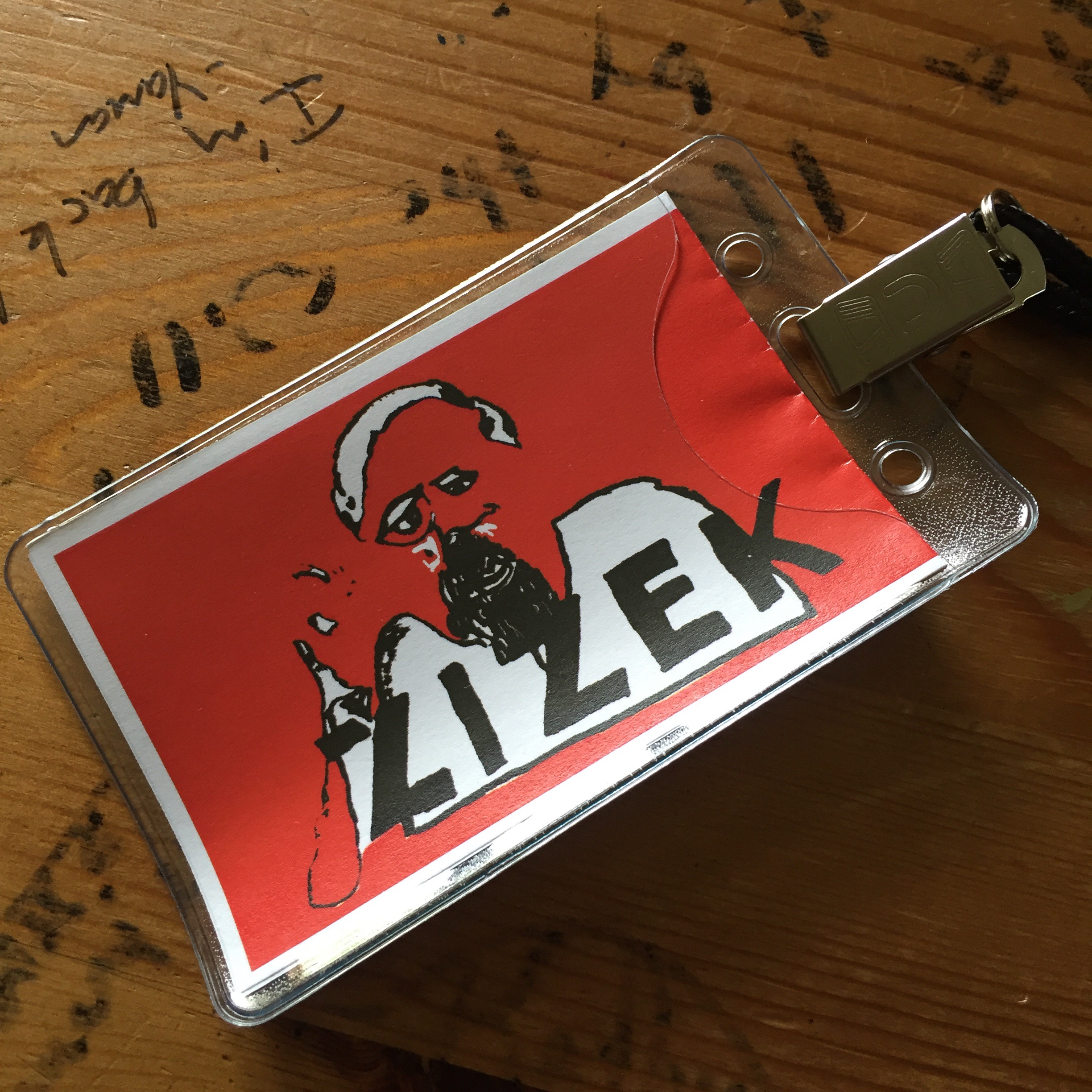
I was drawn to Cincinnati by the International Zizek Studies Conference and it’s keynote speakers:  Slovenian philosopher Slavoj Zizek, himself and Graham Harman (a pivotal figure for Object Oriented Ontology), a philosopher now teaching at Southern California Institute of Architecture (after having taught at the American University  in Cairo for 18 years). I was drawn by the promise of philosophical convergence and confrontations between materialism and idealism. Also, where else could I speak about Zizek’s uncomfortable coupling of charity and sanctimony? In their keynote lectures, Zizek asked and answered the question “Am I a philosopher” while Harman responded to Zizek’s critique of OOO in Objects, objects everywhere. Both deserve more than a quick blog post, so I’ll stop here. I continued to see such convergences and confrontations everywhere in Cincinnati. Here are a few examples:

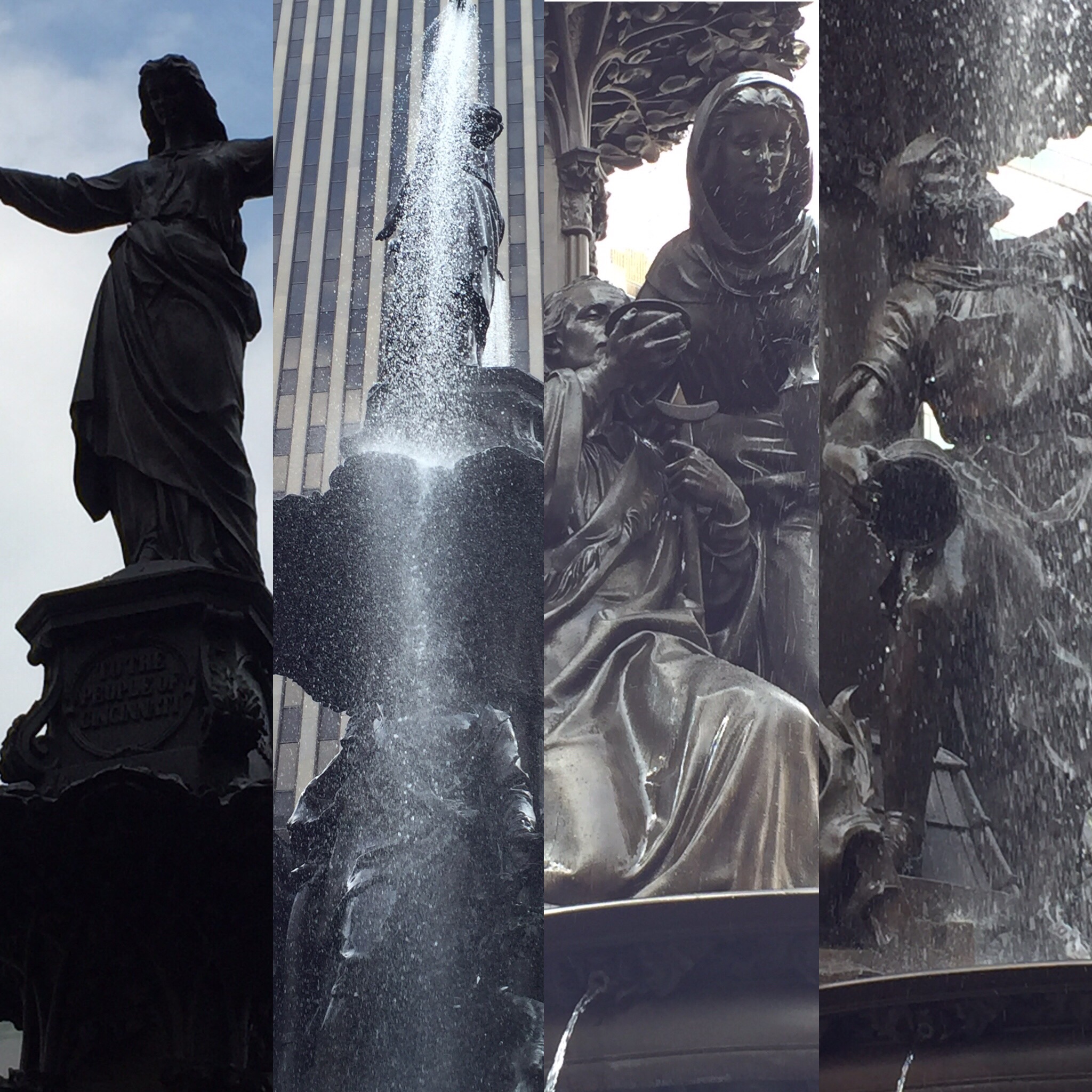
The beautiful Fountain Square Fountain (1871) depicting a farmer and a firefighter/ citizen who flank an allegorical water goddess. The fountain  that now functions as the practical center of queen city was moved multiple times and renovated. A literally and symbolically moving Cincinnati center aimed to “represent the blessings and benefits of water.”
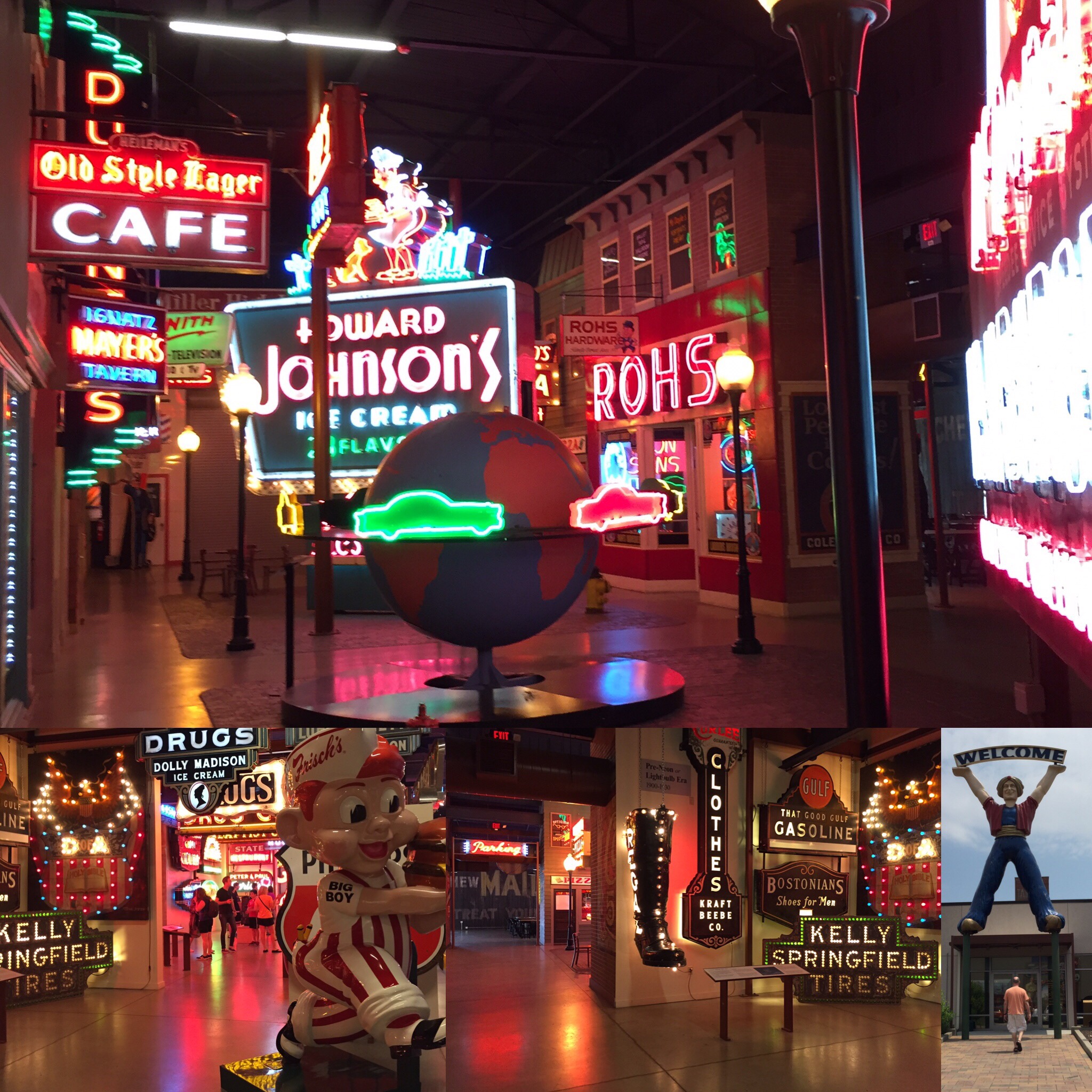
The American Sign Museum displays a history of signs from 19th-century wood carved signs to 20th century of light bulb, neon and plastic signs. The signs that advertised the value of gold-leaf and handcrafted signs were particularly fascinating. Advertising, advertising….my head hurts.

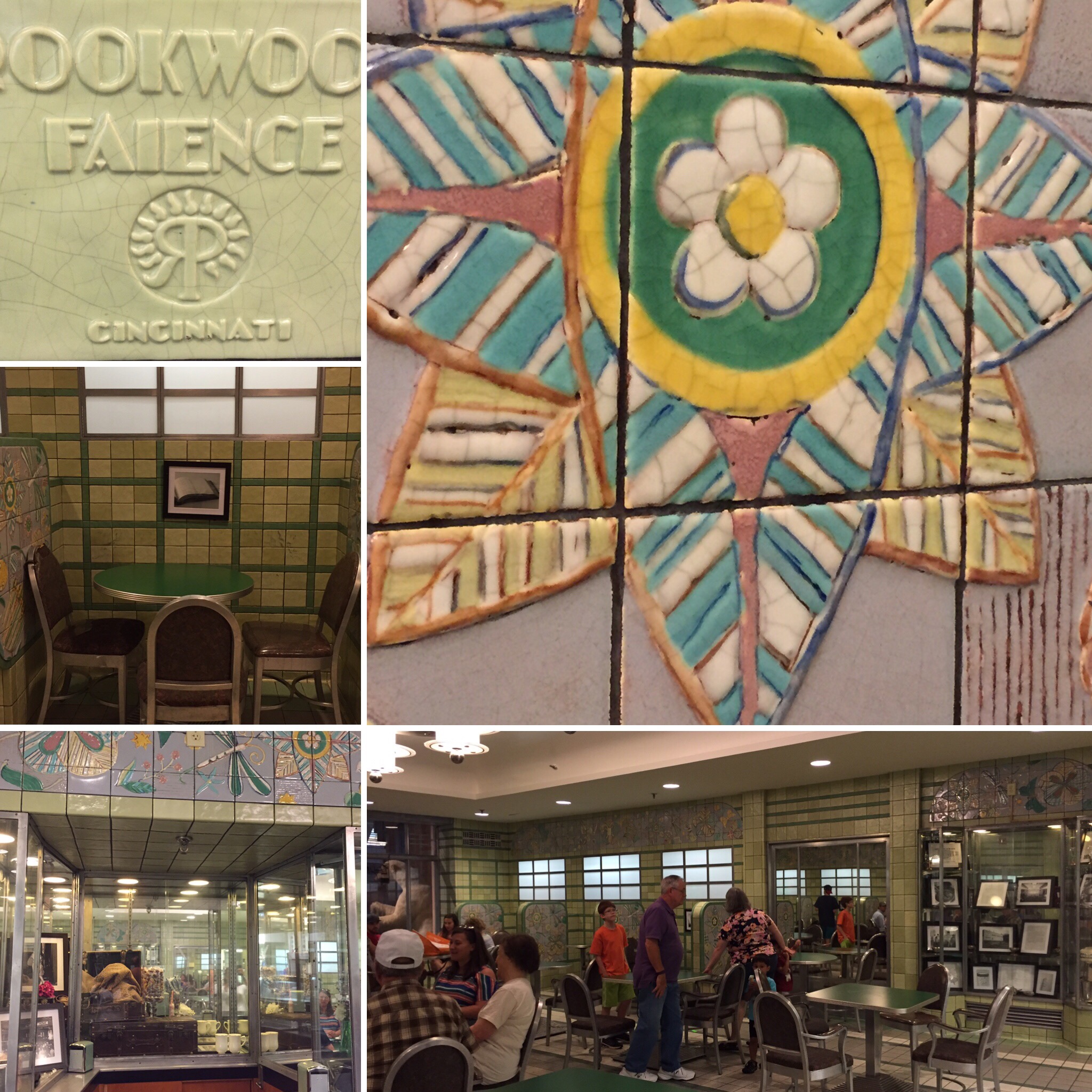
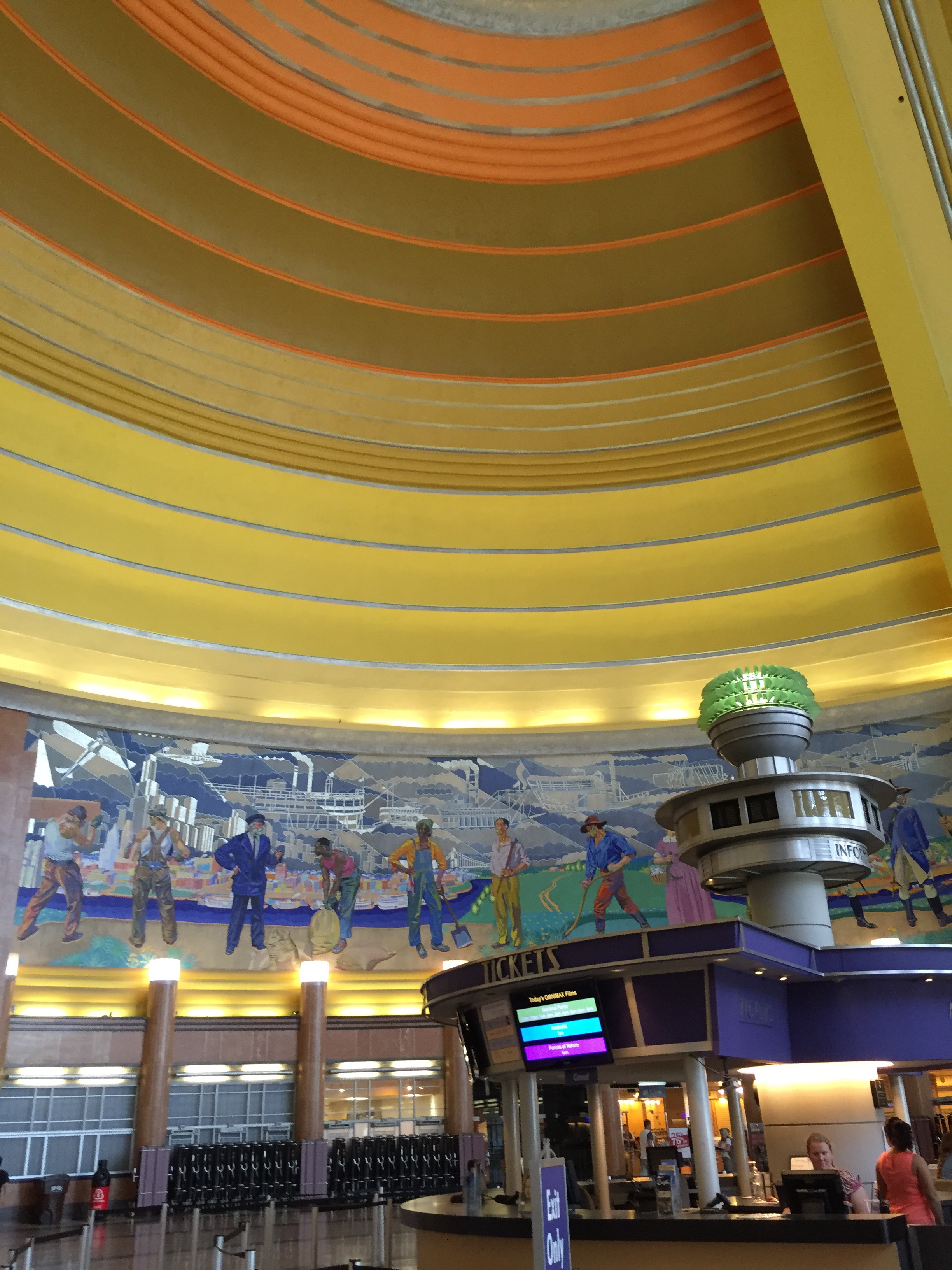
The commercial and public application of arts and crafts principles appear in examples of Rookwood Pottery. Their work can be found at the tearoom at the Union Terminal, a grand train station built as the economy fell and train transportation declined. The second largest half dome in the world after the Sydney Opera House, it is worth a visit.  Awe-inspiring in scale, exuberant in color and ironic in fate as a temple of transportation turned museum. Note the murals depicting the story of transportation evolution on land and water. Like the subway tunnels built for the city that were never used, the grand station shows that sometimes the best of human intentions are not fulfilled. Things happen. I feel for Cincinnati.

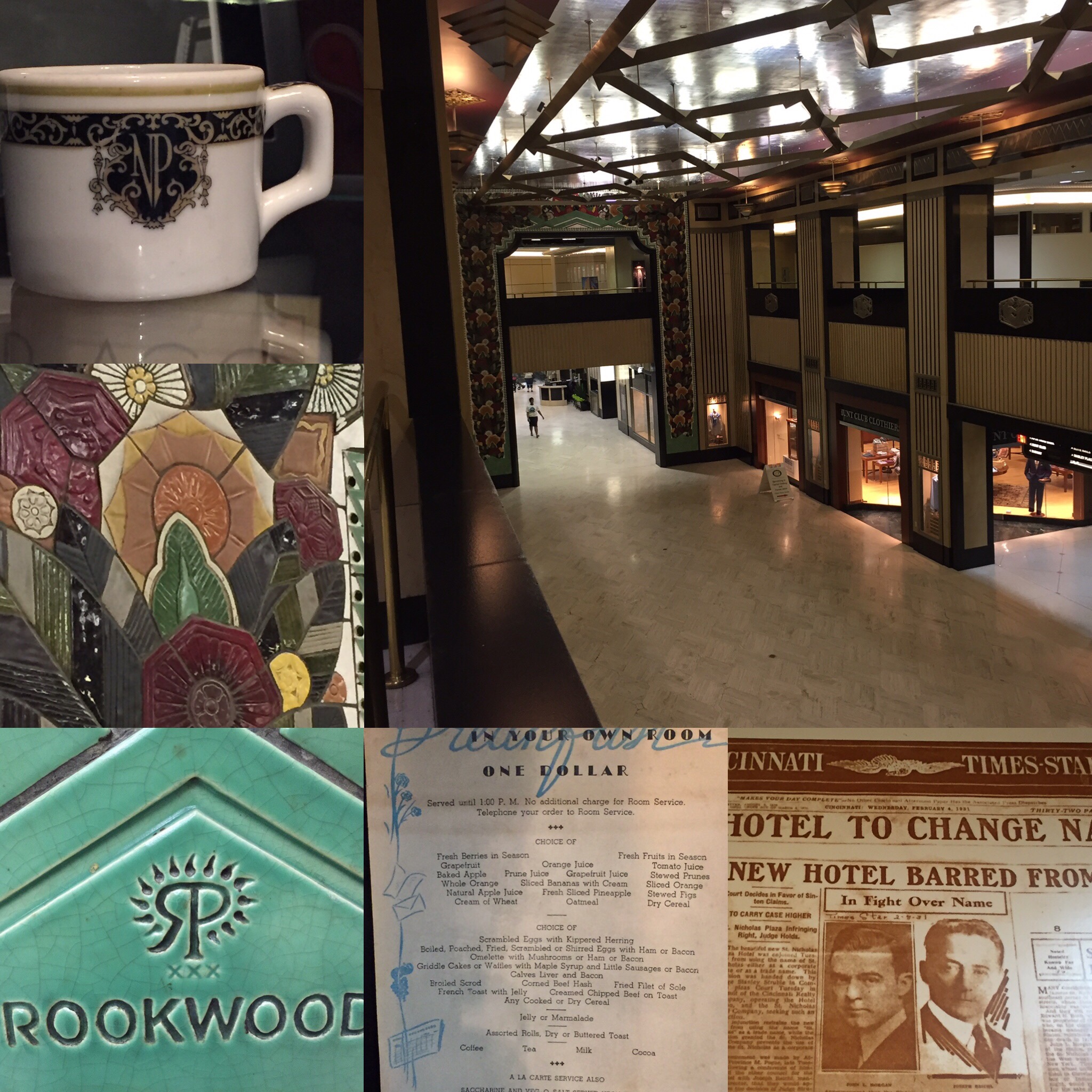
The now  Cincinnati Hilton- Netherland Plaza has a wonderful story. Historically named St. Nicholas Plaza, the hotel boasted it’s brand on all things, only to be sued for having used an existing name. The new name of the hotel had to fit the already branded dishes. Hence, St. Netherland Plaza. Like Union Terminal this grand structure opened in depression era 1931, created a lot of jobs and kept it’s owner out of bankruptcy.

Along with these grand ironies, Cincinnati also hosts vegetable races for the media at the annual Taste of Cincinnati.

A diversity of food traditions,

and opinions…..

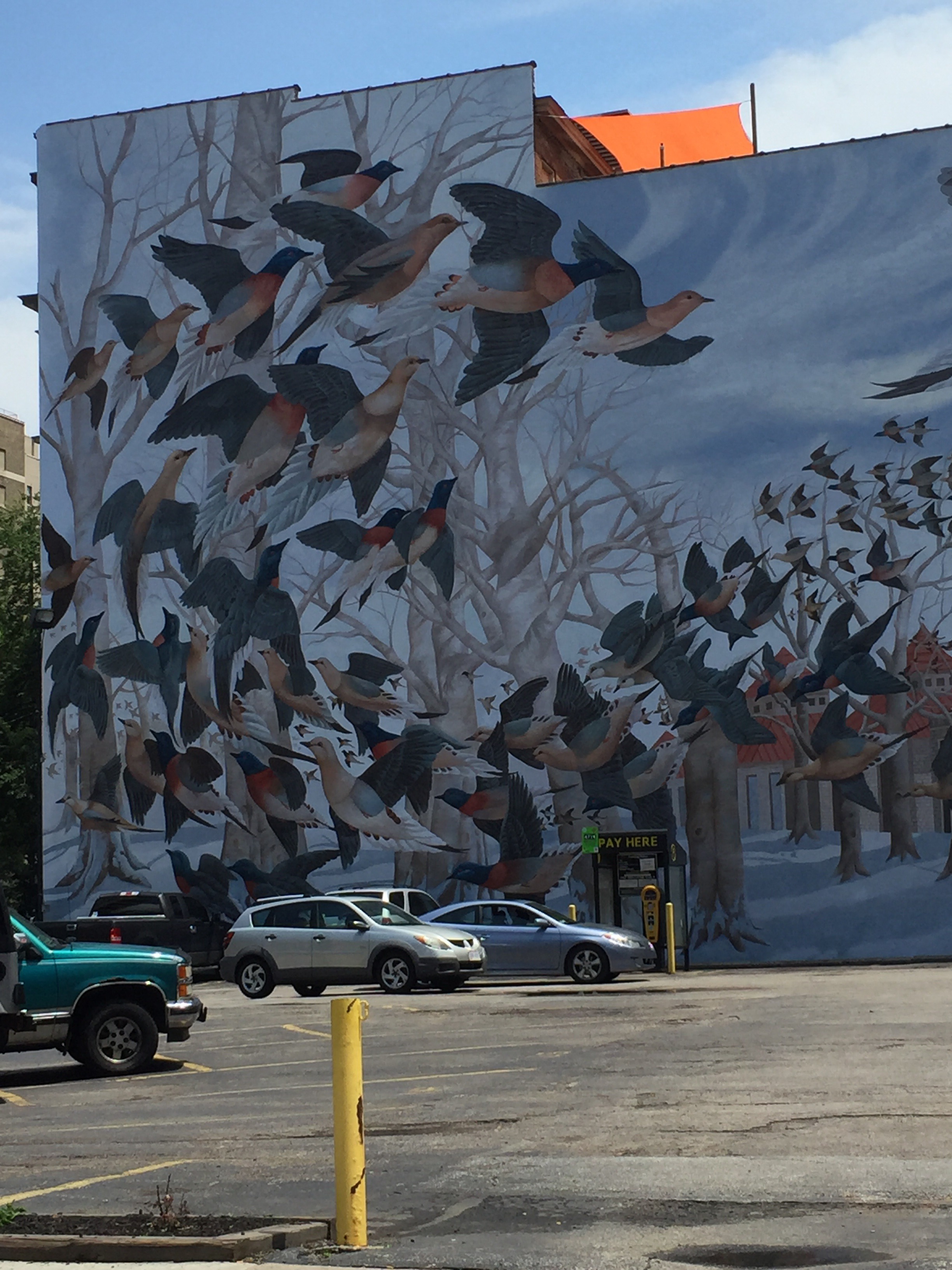
Graham Harman, in his talk, mentioned that real things are able to hold contradictions. If so, Cincinnati is certainly a real city where beautiful birds fly out of an empty parking lot.  There are murals everywhere highlighting the ever evolving struggle of a city historically poised at the edge of freedom (The National Underground Freedom Center is there too). I learned as much from the city as I did from the conference. Wonderful trip.

Wishing you nourishing travels,

Hungryphil