
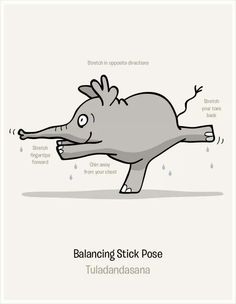
I am a wobbyogi and I am scared of head stands. There…..I confessed. I don’t enjoy being upside down, never have, even as a kid. Struggled through gym class unable to do a forward roll or a cartwheel. Last time I tried hanging upside down in an aerial yoga class I felt nauseous and dizzy. My dislike and distrust of almost all inversions run deep.
This is exactly why, maybe I should practice towards a head stand. I may never get there. I am no spring chicken. But, the process of building up my arm and core strength is worth the effort. At the beginning of this training, even a chaturanga had been difficult. I still can’t roll my toes but I feel stronger and able to lower down into the pose slower. A crow and a head stand are the two poses I want to work towards. Having tangible goals might give my practice the consistency and direction it needs. The deeper yoga trick is to not let these soft goals feed ego-centric victory or self-defeating doubt. Finding that balance between ease and effort, like any asana practice or meditation takes practice. It is all about….practicing an intent-full instead of a task oriented life.
As a part of the teacher training four of us students offered a karma yoga class last night. We lead a yin yoga class to benefit our local food bank, Food Finders. We looked into books and websites by Paul Grilley, Bernie Clark and Sarah Powers. Debra Steinhauer, who teaches Yin at Community Yoga offered much needed advice. We considered issues like talking and silence, timer chimes and music, props and modifications, lighting and more. This is really a beautiful time in our yoga teaching journey where we are getting comfortable yet still remain very much aware of all the details. When we started we didn’t even know the details or the questions to address. Next step would be to drop the nervousness that goes along with awareness of all that could go wrong. From my other teaching experience I know that teaching can easily become mechanical like a reflex. In such cases, challenging oneself to present material in new ways becomes the challenge. For now, how nice to be able to thoughtfully plan and semi-comfortably lead a session together. It was most satisfying to hear that our yogis felt relaxed and didn’t pick up on our inner anxieties. Next step, for each of us, is to lead an hour long session on our own in the coming and last few weeks of yoga teacher training. What a trip!
I didn’t begin this journey with the expectation of teaching but it soon became apparent that my own path depended on sharing the road with others.
Here’s one way to get into a head stand and a crow pose. Wish me luck!
Much love,
The wobblyogi

Image from: http://www.memecenter.com/tag/headstand

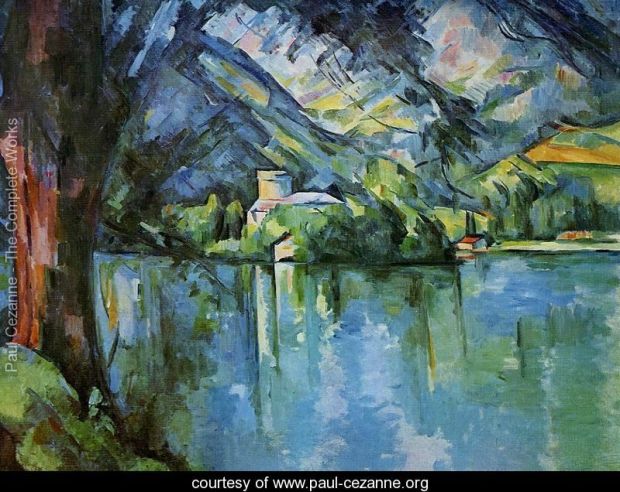
 Book Patanjali Book One tells us why we practice yoga….to restrain the brain. These sutras present yoga as a combination of mental restraint and mindful reasoning, reflecting, rejoicing and recognizing the “I” that appeals to the universal. The self is both restrained and empowered by encouraging selfless and limiting selfish acts. Thinking should help us be kind, not right or worse righteous. Non-judgmental thinking is an incredible challenge. It is so easy to put things in boxes of right,wrong, good or bad. I don’t know if we can ever see our intentions clearly. Yoga, if anything is a working evolving practice of seeing ourselves in the world.
 I find myself surprised to be at week 6 reporting on week 5. Where did the time go? It feels long in terms of how much I’ve learned and short in terms of knowing that there is so much more to learn. This week was mostly devoted to discussing the history, the branches and styles of yoga. Mapping the stylistically wide and historically deep world of yoga has left me happily lost. What combinations would my yoga practice include: Hatha, Vinyasa, Yin, Jnana, Karma, Kundalini? This was as much about my own history and what brought me to yoga as it was about discussing the hazy, dense lineage of yoga practice that feeds into yoga teacher training in small-town Indiana.
 The Hungry Philosopher