
Category: Food Stories

Sue’s Many-Textured Taste (Food Stories)
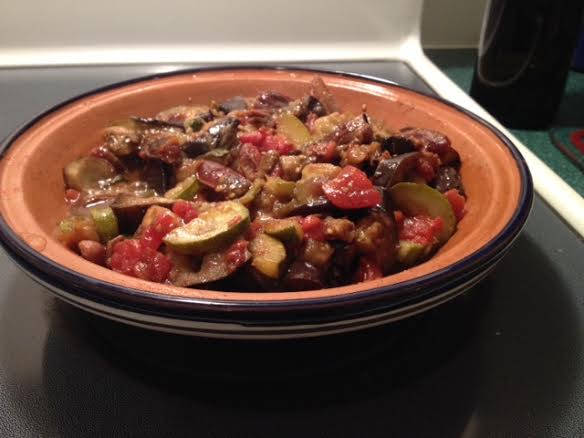
My good friend and art educator extraordinaire, Sue Uhlig, was well prepared and armed with notes when we spoke last week of her food memories. The few times I had the chance to cook for her, I avoided onions and peppers in deference to her aversion. Listening to her food stories certainly deepened my appreciation for the way she eats and enjoys the world of tastes and textures beyond a simple negation of onions and peppers. For her, hearty, dense, textured and layered flavors seem to be themes reaching back to her love of rye bread as a child to her now love of Moroccan Ratatouille.
Sue describes a “lazy day pancake” an expression of her Mom’s Austrian roots as one of her most cherished comfort foods. She shared this online recipe and her own recipe:
http://www.seriouseats.com/recipes/2011/07/kaiserschmarrn-sunday-brunch-scrambled-crepe-recipe.html
“How I make it is to first melt butter in a pan on medium heat. (Maybe 2 tablespoons.) Then mix about a cup of milk and 4 or so eggs together. Add a cup or so of flour, a pinch of salt, and about a 1/4 cup or so of sugar. Taste batter to see if it’s sweet enough, add more if needed. Then pour into pan on stove. Stir periodically for a few minutes. Turn down heat to low and cover for about 20 minutes, stirring occasionally. Batter should be set when finished.”
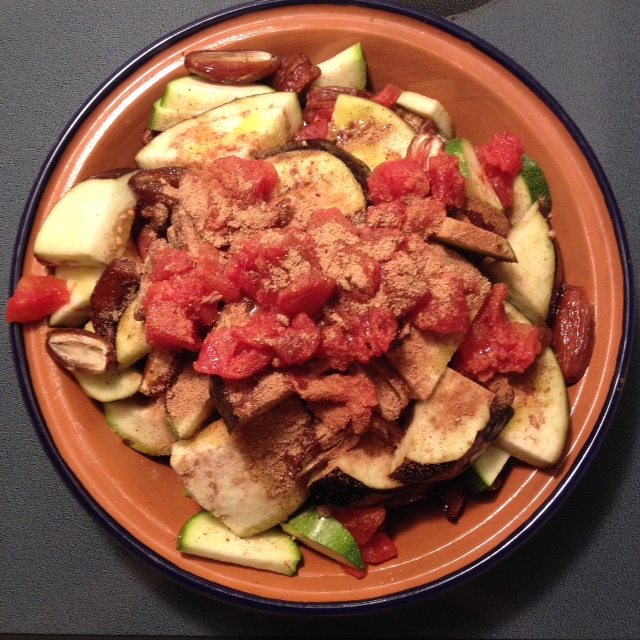
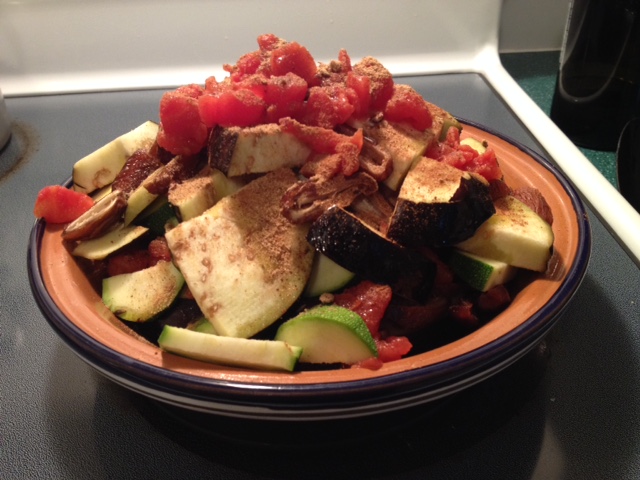
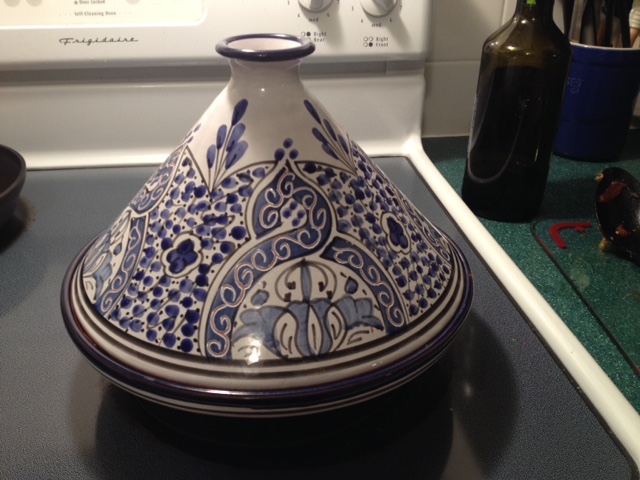
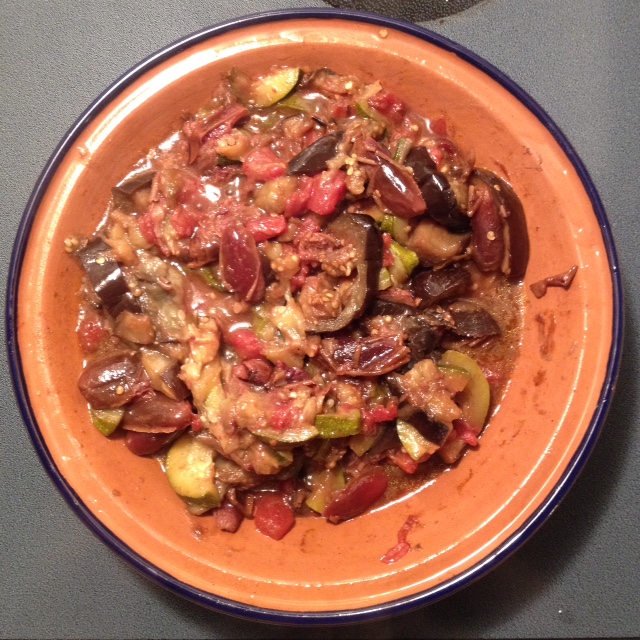
It sounds like a sweet, soft, stove top egg bread. I’ll have to try it. Continuing on the theme of comfort foods, she spoke of her Dad’s Sunday dinners: Pizza bread (long baguette with tomato sauce and melted cheese) while watching Ripley’s Believe it or not at 6:00 pm and Rotisserie Chicken with Skillet fried potatoes. Her favorite cake when she was 13 was an Italian layered custard cake with strawberries. One of my current favorites! She remembers being surprised that her guests did not appreciate it as much as she did. These comforting soft, crispy and layered tastes have now evolved with her travels. However, what seems to stay consistent with her, are simple yet hearty flavors and textures. Her now favorite Moroccan Ratatouille shows both a departure from her childhood dislike of vegetables and a return to slow roasted hearty flavors. The dish based on the book: The Flavors of Morocco by Ghillie Basan, exemplifies her preference for layered, sweet, savory, roasted flavors. True to an artist, she savors each ingredient and delights in the visual process involving the tagine and the sense of a theatrical reveal (like the magic of Ripley’s believe it or not). The textures melt down into a gooey, sweet, savory, hearty, aromatic dish, a testament to how travel has broadened her ability to find comfort in new far away flavors.
http://www.amazon.com/Flavours-Morocco-Delicious-Recipes-Africa/dp/1849750866/ref=asap_bc?ie=UTF8


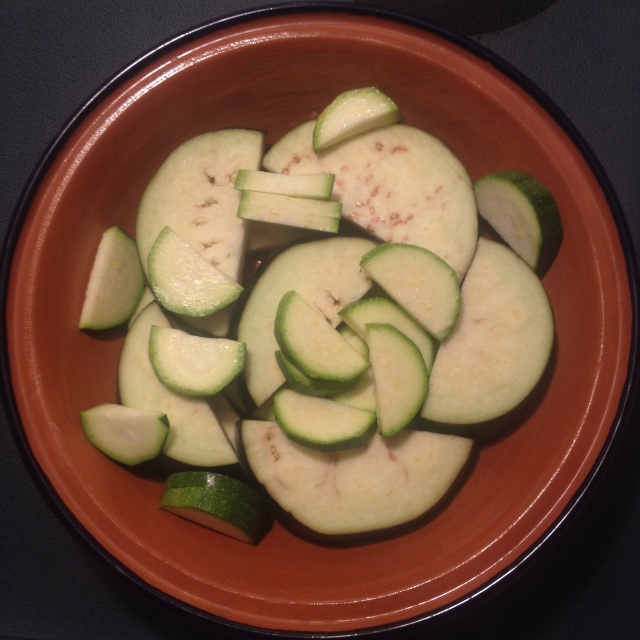

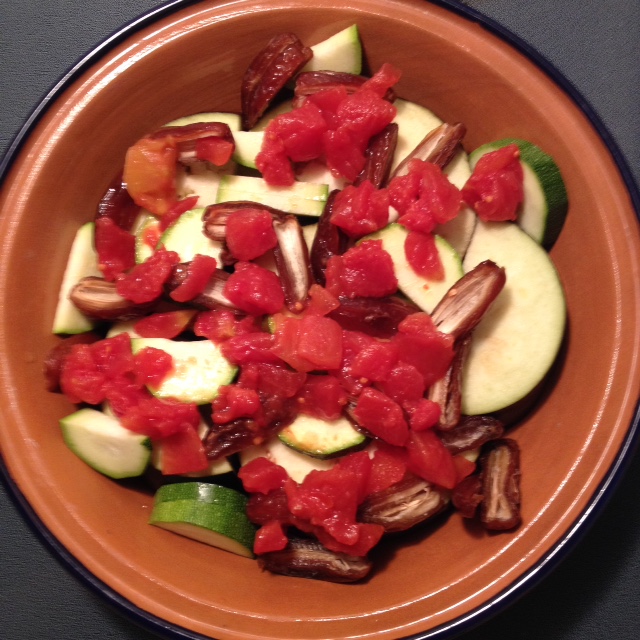
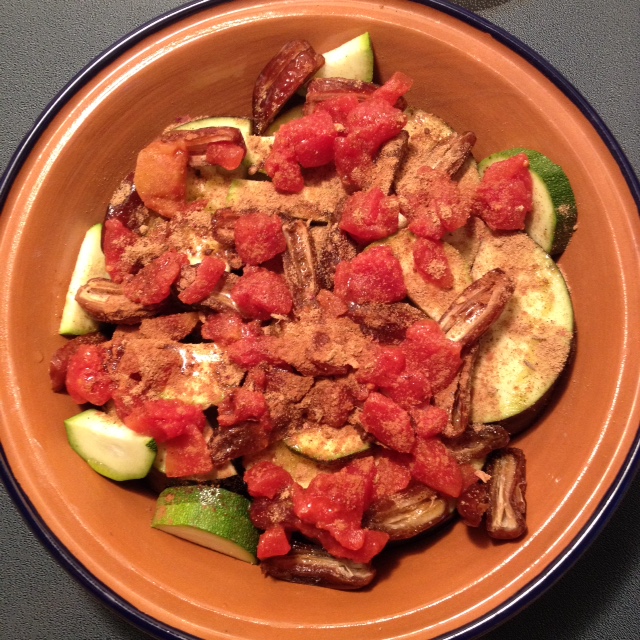
Dear hungryphil Sue,
Thank you for sharing your stories and reminding us that we can find tastes of home in surprisingly unfamiliar places, that food has the ability, like art, to transport us outside ourselves only to make us realize that we never moved. Magic.
All images courtesy of Sue Uhlig.
https://sova.psu.edu/profile/susanuhlig
Dear Fellow Food Philosophers,
I am collecting food philosophies through three guiding and loose questions:
- Consumption: What are your memories of food?
- Production: What are your guiding principles for making food?
- Demonstration: What would show your philosophy of food?
Please contact me, if you (or anyone you know…..anyone who is involved in making food…not just chefs) would like to share your philosophy with me. Happy to meet with you in person or over Skype. Thank you!
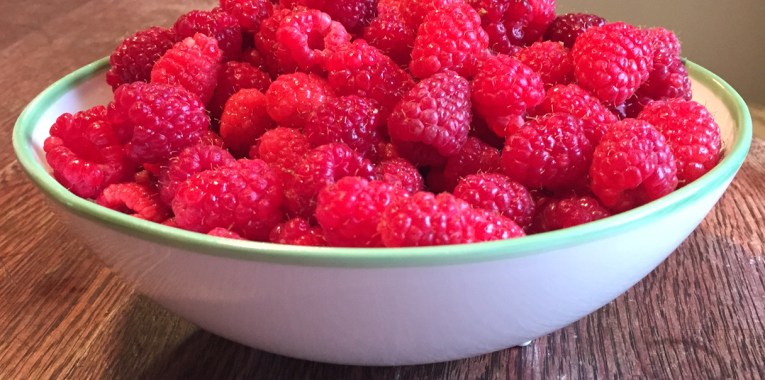
Jasmine’s Curious Eating (Food Stories)

“Food made me feel different, not special,” explains Jasmine about her limited school cafeteria choices as a vegetarian child. Feeling different can foster curiosity, empathy and thoughtful awareness for some, while seeding resentment and intolerance in others. For Jasmine, this early awareness perhaps primed her to be the educator for special needs and artist that she is now. She is fiercely curious as she is principled, saying, “I’ll eat anything as long as its not meat.”
(For more about Jasmine’s work now look to the links below.)
Like many of us, Jasmine recalls as a child looking forward to family celebrations. For her these celebrations included dishes from her father’s immigrant background. Croatian food with Turkish, Greek, Italian flavors, Jasmine explains is a lot like American food with multiple ethnic influences. Maybe the hand rolled Croatian pasta she remembers gave her an early awareness of internationalism, diversity and difference.
Jasmine’s global perspective is coupled with an Indiana appreciation for gardening and local farm produce. She owes her vegetarianism and love of cooking to her mom, who offered explanations like “tell people you don’t eat anything with eyes except potatoes” or “if you don’t eat something green, something green will eat you.” She recalls cooking with her mom and conducting blind taste tests of peppers to see if they can guess the color of the peppers. How fun! This combination of humor, awareness and curiosity serves her well in cooking for her own picky toddlers who at the moment love avocados and firm tofu (not touching of course).

For her High School graduation, Jasmine’s mom gave her a cookbook comprised of all her favorite dishes. Even armed with the cookbook, she confesses that she ate only cereal her first semester at college. Cooking is practical and requires practice for Jasmine, who now gardens, cooks, cans, freezes and believes that “taking the time and energy to know the process to make it, makes it better to eat.”
Enjoying cooking as a process of aware conversion, she often shares her experiments on social media and with friends. Here is her peach butter from her homegrown peaches.
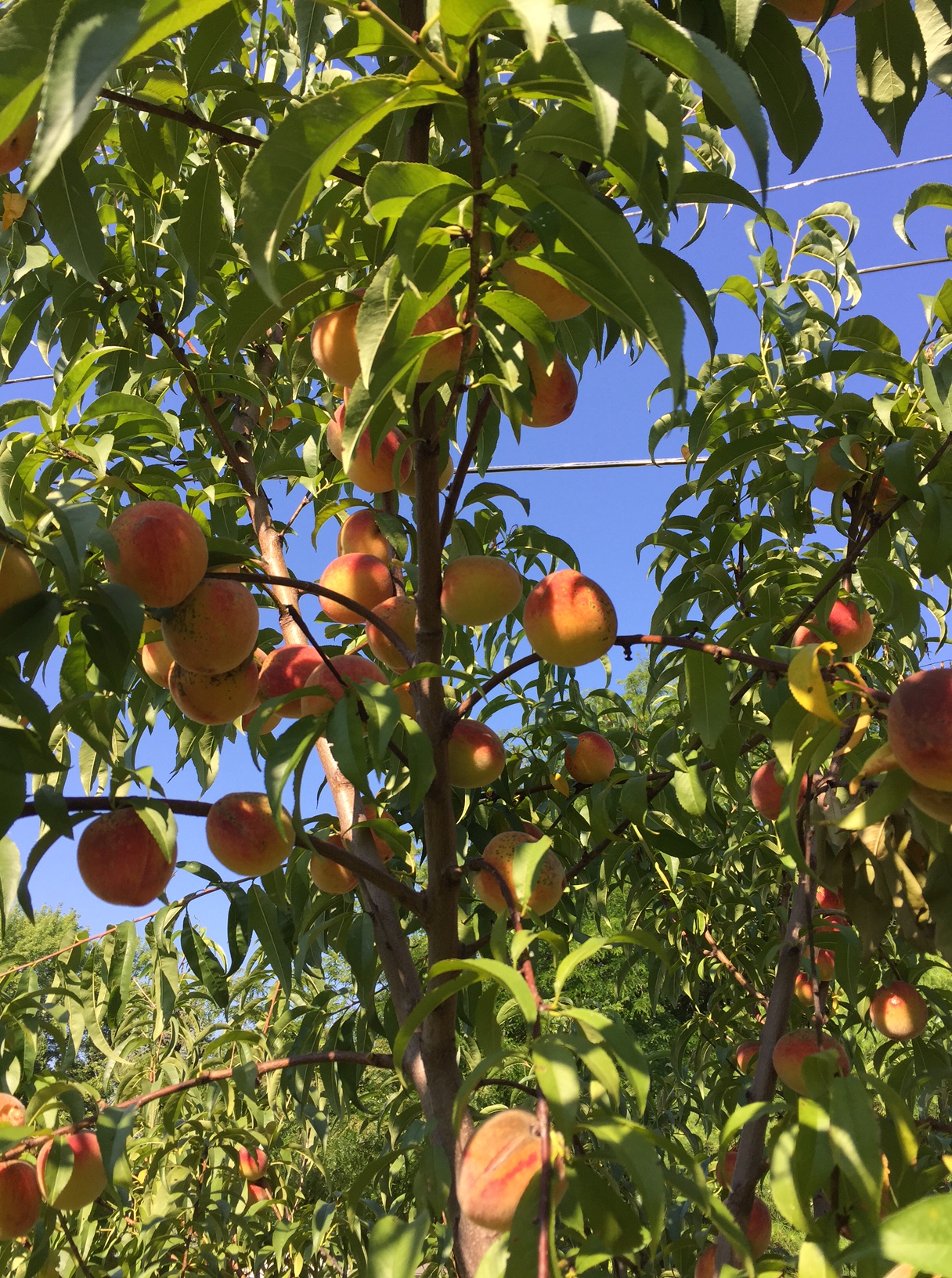

and a lemon meringue pie made from a giant lemon from a friend’s garden.


Hungry philosopher Jasmine, Thank you for being both different AND special in your philosophy of good eating. Your approach to food as a source of curiosity, learning, self-sufficiency and fun, remind all of us that sometimes in the search for efficiency and ease we may miss a delicious discovery.
Wishing you many delicious discoveries ahead,
Hungryphil
http://discover.education.purdue.edu/people/people.asp?id=1100
All images courtesy of Jasmine Begeske
Dear Fellow Food Philosophers,
I am collecting food philosophies through three guiding and loose questions:
- Consumption: What are your memories of food?
- Production: What are your guiding principles for making food?
- Demonstration: What would show your philosophy of food?
Please contact me, if you (or anyone you know…..anyone who is involved in making food…not just chefs) would like to share your philosophy with me. Happy to meet with you in person or over Skype. Thank you!

Food as Atmospheric – Interview with Farhan Karim
Dear fellow hungry philosophers,
Here are few short food vignettes from my conversation with architecture professor, Farhan Karim at the University of Kansas. I was wonderfully struck by the atmospheric clarity of his food memories. These stories definitively show how an architect remembers enjoyable experiences —as graphically spatial, social and sensual.
The first memory that Farhan shares is about growing up in Abu Dhabi and eating his mom’s favorite chicken shawarma on the beach with his family. This fascination and enjoyment of public uncomplicated street food repeats in his later stories. He remembers the open, fun, picnic-like atmosphere as much as the food itself. He describes his eating experience in Abu Dhabi both architecturally and gastronomically. For example, the “midrise urban morphology” (his words, not mine) devoted the first floor to commercial businesses, most often restaurants and more importantly bread stalls selling roti. These restaurants mostly served single men working in Abu Dhabi during its construction boom. While his mom enjoyed the beach side shawarma sandwiches, spiced curries like Bhindi Gosht and Mutton Masala from the local Malayam restaurant were his father’s favorites. Probably related to those restaurant dishes he specifically associates the spice “methi” or fenugreek with his childhood in Abu Dhabi. His stories are representative of fragmented and fleeting childhood memories of parental preferences, clashing cultural nuances, specific smells and spaces.

image from: http://www.foodbangla.com/menu.php?res_id=77

http://foodknowledgebd.blogspot.com/2013/02/haji-biryani.html
In contrast, his young adult memories of college in Dhaka are structured and show a deliberate search for personal narrative and taste. He speaks of “discovering Dhaka through the materialization of food sources.” Cultivating a sense of nationalist pride he frequented public street food stall that sold kababs and biriyani. Similar to the public, social and casual Abu Dhabi beach side and restaurant eating, his food memories of this time period involve friends and political debates.
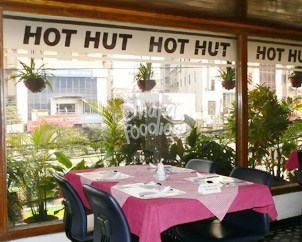
Image from: http://thedhakafoodies.com/Restaurants/Details/hot-hut-food/L1ZL649PA5
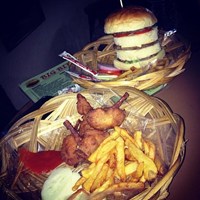
Image from: http://thedhakafoodies.com/Restaurants/Details/Big-Bite/N3VRKHYYYZ
His architectural awareness becomes vivid as he recollects dating in Dhaka and meeting his wife, Farzana. He analyzes the then very few dating venues according to a dynamic of privacy and public announcement. For example, Big Bite with it’s glass façade was a place to announce one’s romantic affiliations, in contrast, Hot Hut, located on a second floor was spatially appropriate for a private date. Mediating the two, public and private modes, was Shawarma Inn which offered strategic exposure. It is also interesting to note that all these “dating” sites were foreign foods of burgers, fries, pizza and sandwiches. I wonder why that is? Are deshi curries or kababs inherently unromantic? Not only does his articulate the interior space of each location but also the cartographic position in terms of Dhaka city neighborhoods. Again, if we listen to Farhan’s stories, all food experience is contextual, architectural and social.
The three memory fragments show the evolution of a child aware of parental taste and cultural difference, to a young man eager to claim his political place in the world to a man courting and building a shared future. The stories show food as sensual, spatial and social…..as essentially atmospheric.
Thank you for sharing your stories, Farhan.
Next time we’ll hear about his experience working at a pizza place and an Egyptian restaurant in Australia.
Happy Food Stories!
Hungryphil
Dear Fellow Food Philosophers,
I am collecting food philosophies through three guiding and loose questions:
- Consumption: What are your memories of food?
- Production: What are your guiding principles for making food?
- Demonstration: What would show your philosophy of food?
Please contact me, if you (or anyone you know…..anyone who is involved in making food…not just chefs) would like to share your philosophy with me. Thank you!
Food as Gift, Interview with Thai Essence Chef Ake Waratap, West Lafayette, Part 3 of 3
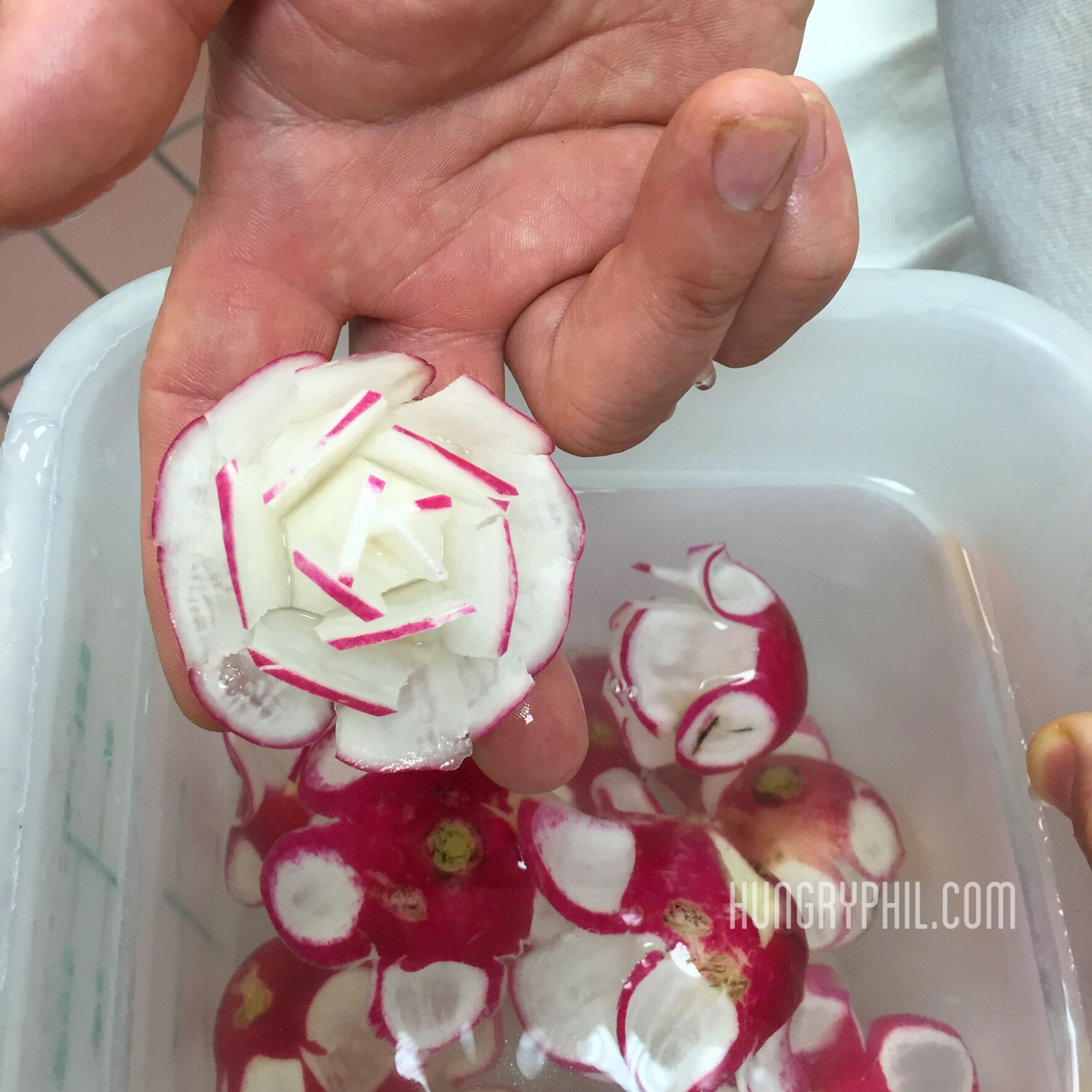
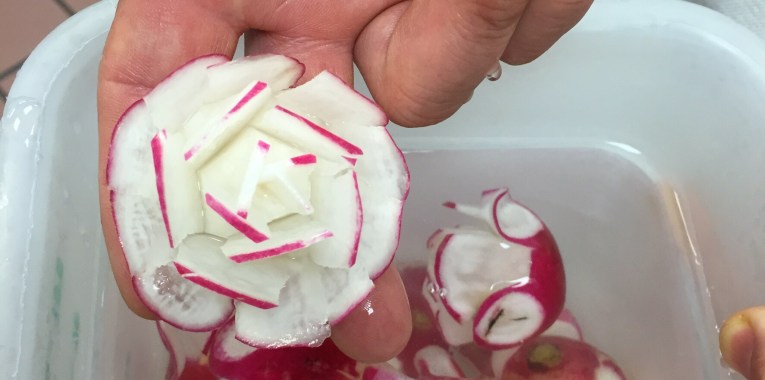
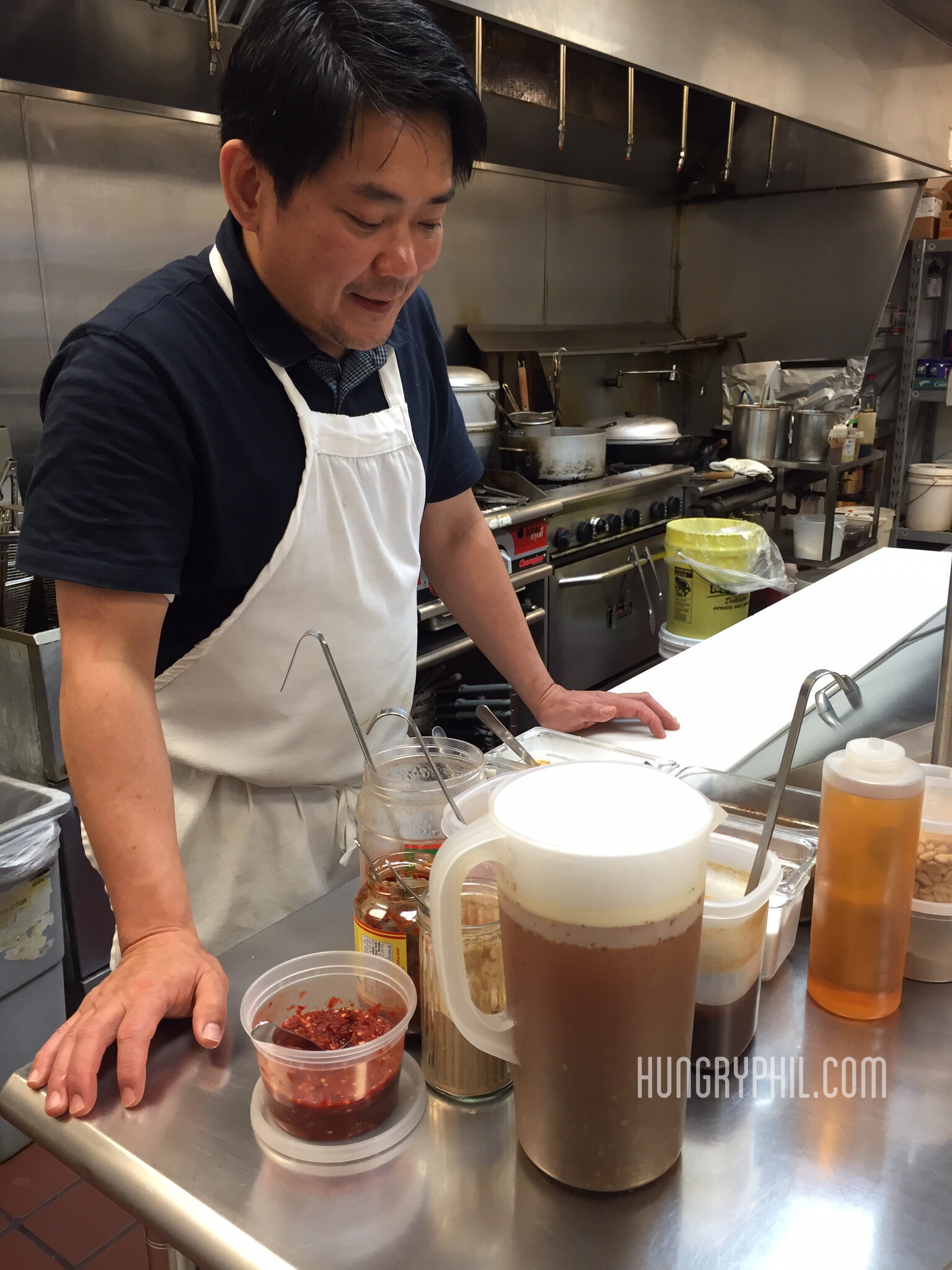
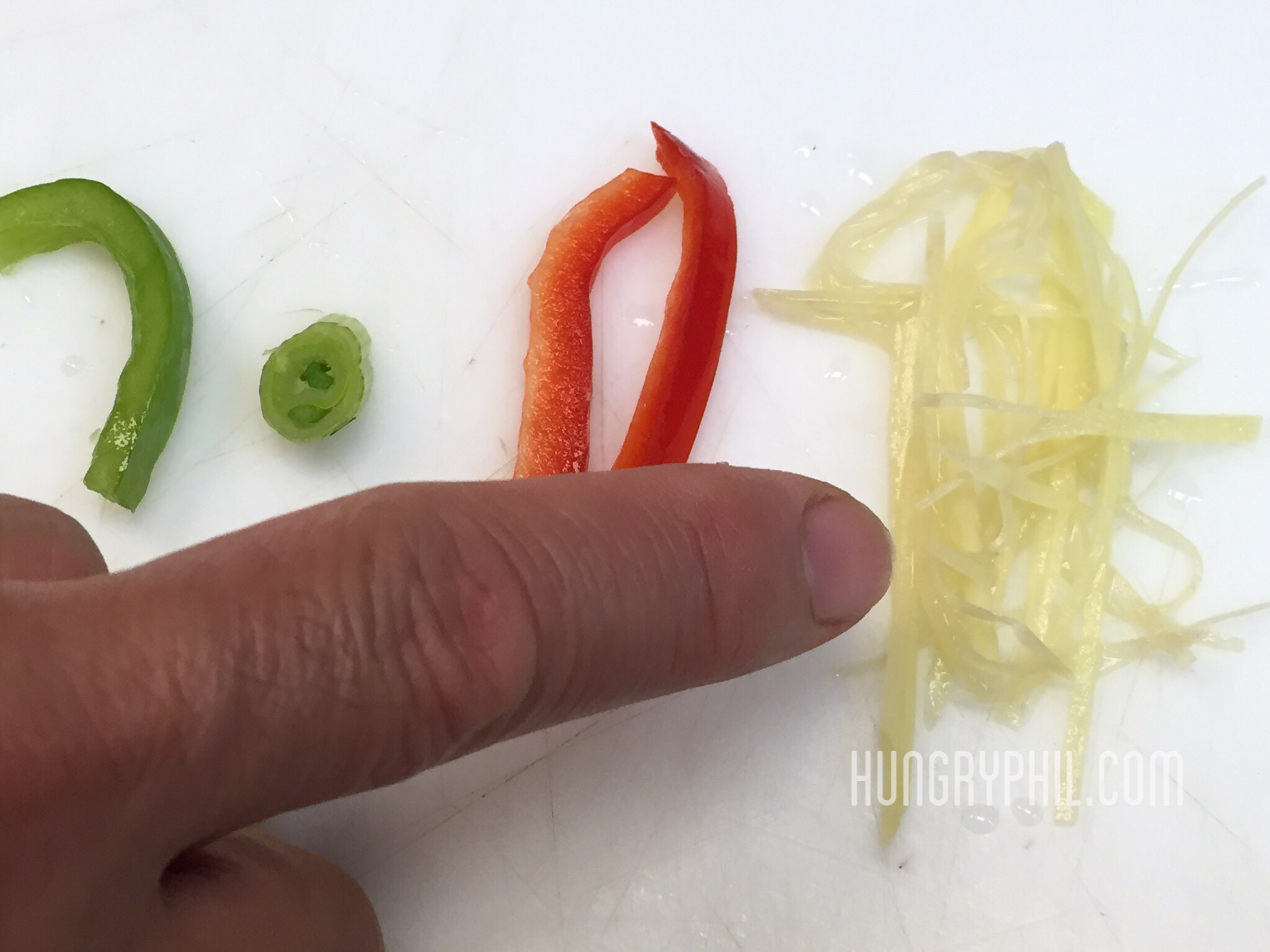 (con’t) Thai Essence, Chef Ake’s insistence on intention, quality, energy and heart is palpable. When asked what would he considers his ‘signature’ dish, he refused to answer with a single dish. Every dish, he said, is made with care. In order to “show” me his philosophy, he pulled out some julienned ginger, thin slices of red and green pepper. “You have to feel it, like cutting through your own skin, smooth slices, no chopping,” he beams. Cooking is not about speed that bruises ingredients, or sloppy wasteful whimsy. It is intentful, considered and respectful. He shows me a beautifully carved radish flower (I am shocked to hear that he learned how to do all his vegetable and fruit carving on his own over YouTube!) and says that he was asked, “Why do we take the time to do this when most customers don’t even notice?” In response, he had answered that the flower is a symbol of care and even if only a few customers notice, it is still worth the effort. So instead of a signature dish to show us his philosophy, chef Ake offers us intricately carved flowers, precisely sliced vegetables, carefully concocted sauces and only by default deliciously executed dishes. As I suspected, he is an exemplar of an object-oriented practice invested in the recognition and respect of each thing as a gift.
True to material thinkers, Chef Ake continues to be fascinated by things and processes that fuel or challenge his commitment to gastronomic appreciation. For example, he is deeply concerned by buffet formats of serving that threaten attention to quality, care and detail. Similarly, he is excited by current farm to table philosophies that respect local ingredients and their producers. He recently returned from an exploration of ramen making in Japan. Curiosity and generosity seem to be driving principles in his food thinking and travels. The major drawback of his attention to detail and personal care is that he has little time to pursue and cultivate his wide range of interests. Creative people suffer this dilemma that leads to frustration or burnout all too frequently. Graphic designer Stefan Sagmeister famously takes a “sagmeister” by closing down his office for a year, every seven years. The famed chef of El Bulli, Ferran Adria closed his celebrated Michelin-starred restaurant and instead launched a “food think tank.” I sincerely hope Chef Ake finds a way to sustain his spirit of learning and experimentation. In the meantime, for those of you in the area, I encourage you to meet Chef Ake and visit his restaurant for a regular meal and then a special event (when he experiments with techniques and menu items). Traditional eastern cuisines in the West are both difficult and easy to innovate depending on the gastronomic experience level of the guests. This challenge makes the experimental special events at Thai Essence so fascinating to me. Thank you for sharing your philosophy of food as gift with us, Chef Ake.
Looking forward to many delicious experiments ahead,
Hungryphil
Dear Fellow Food Philosophers,
I am collecting food philosophies through three guiding and loose questions:
- Consumption: What are your memories of food?
- Production: What are your guiding principles for making food?
- Demonstration: What would show your philosophy of food?
Please contact me, if you (or anyone you know…..anyone who is involved in making food…not just chefs) would like to share your philosophy with me. Thank you!
http://www.ted.com/talks/stefan_sagmeister_the_power_of_time_off?language=en

Food as Gift – Interview with Chef Ake, Thai Essence, West Lafayette, Indiana : part 2 of 3

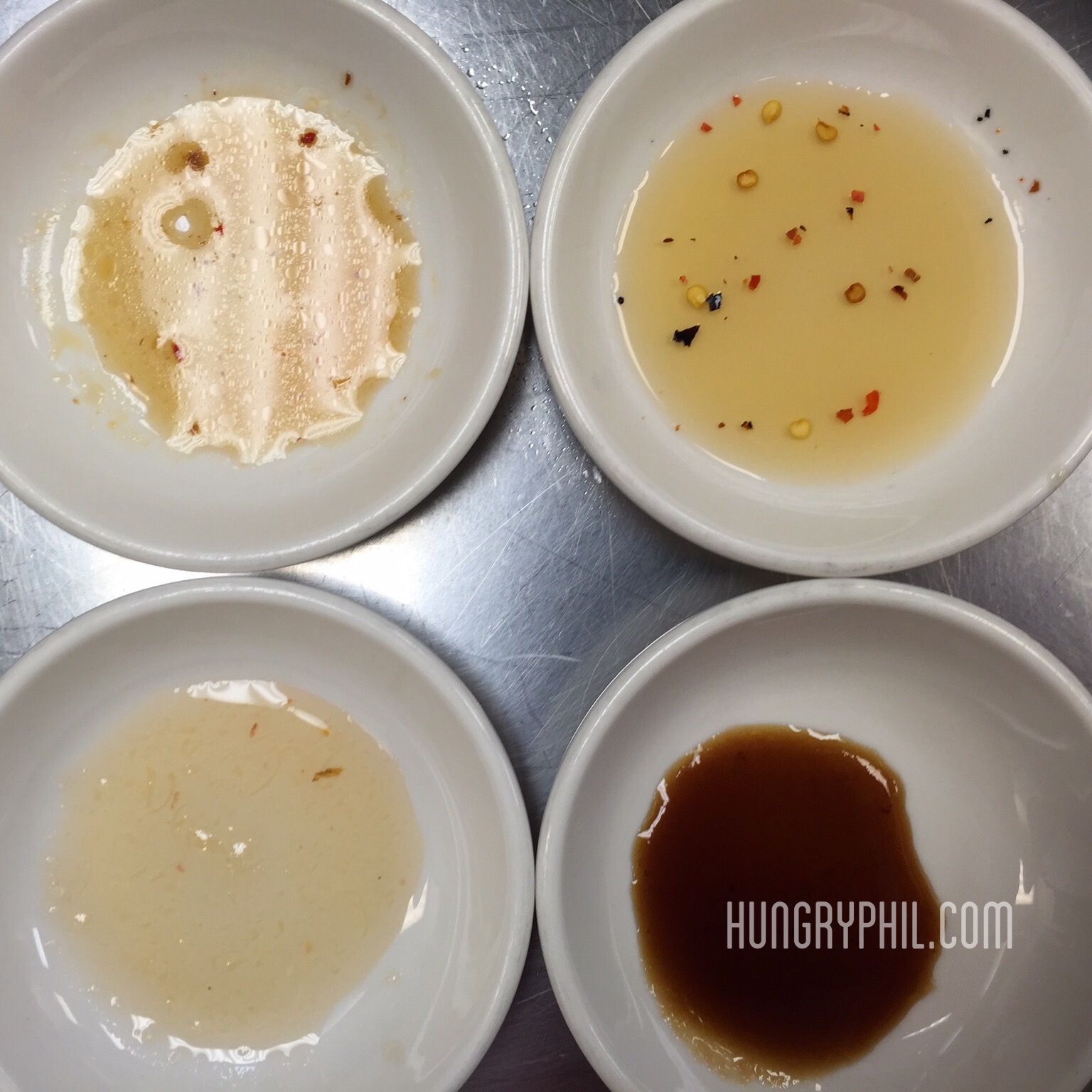
(con’t) Chef Ake’s early culinary career as a cook, as a caterer and private chef was fueled with the deep belief in food as a precious gift to be shared. He spent his time generously, he cooked extra portions and a variety of foods, all in an effort to make people feel nurtured. He wanted everyone to feel that they had more than enough to eat (the opposite of his childhood limitations). This spirit of generosity served him well by attracting the goodwill of his customers who happily received his culinary gifts. He managed to translate his childhood moments of “slow” consumption, of making enjoyment last, into making food worthy of slow considered eating. Attentive consumers, one could argue, make attentive makers. Chef Ake’s story reminds me of how designer Raymond Loewy speaks of Biberin, a French drink powder, in his autobiography as his first awareness of passion. After all, how can one reproduce a feeling for others without having experienced it oneself?
The lack of Thai food restaurants drew him and Nan to West Lafayette. If “food as gift” sums up his lessons as a consumer, then “we care” is his primary restaurant philosophy. With no formal culinary schooling, his insistence on detail, caring and learning is evident in every aspect of the restaurant. As we walked through the kitchen, he proudly showed me every spotless detail of the kitchen he and Nan designed. His equipment now five years old looks sparkling new. The screws in the mis-en-place tables are cleaned with pins! All sauces are made in house, what is purchased is of high quality. He only serves what he would eat himself. And, from what I saw, his standards are quite high.
Next time, he shows us his philosophy of “intentful” cooking.
Dear Fellow Food Philosophers,
I am collecting food philosophies through three guiding and loose questions:
- Consumption: What are your memories of food?
- Production: What are your guiding principles for making food?
- Demonstration: What would show your philosophy of food?
Please contact me, if you (or anyone you know…..anyone who is involved in making food…not just chefs) would like to share your philosophy with me. Thank you!

Food as Gift – Interview with Chef Ake, Thai Essence, West Lafayette, Indiana : part 1 of 3
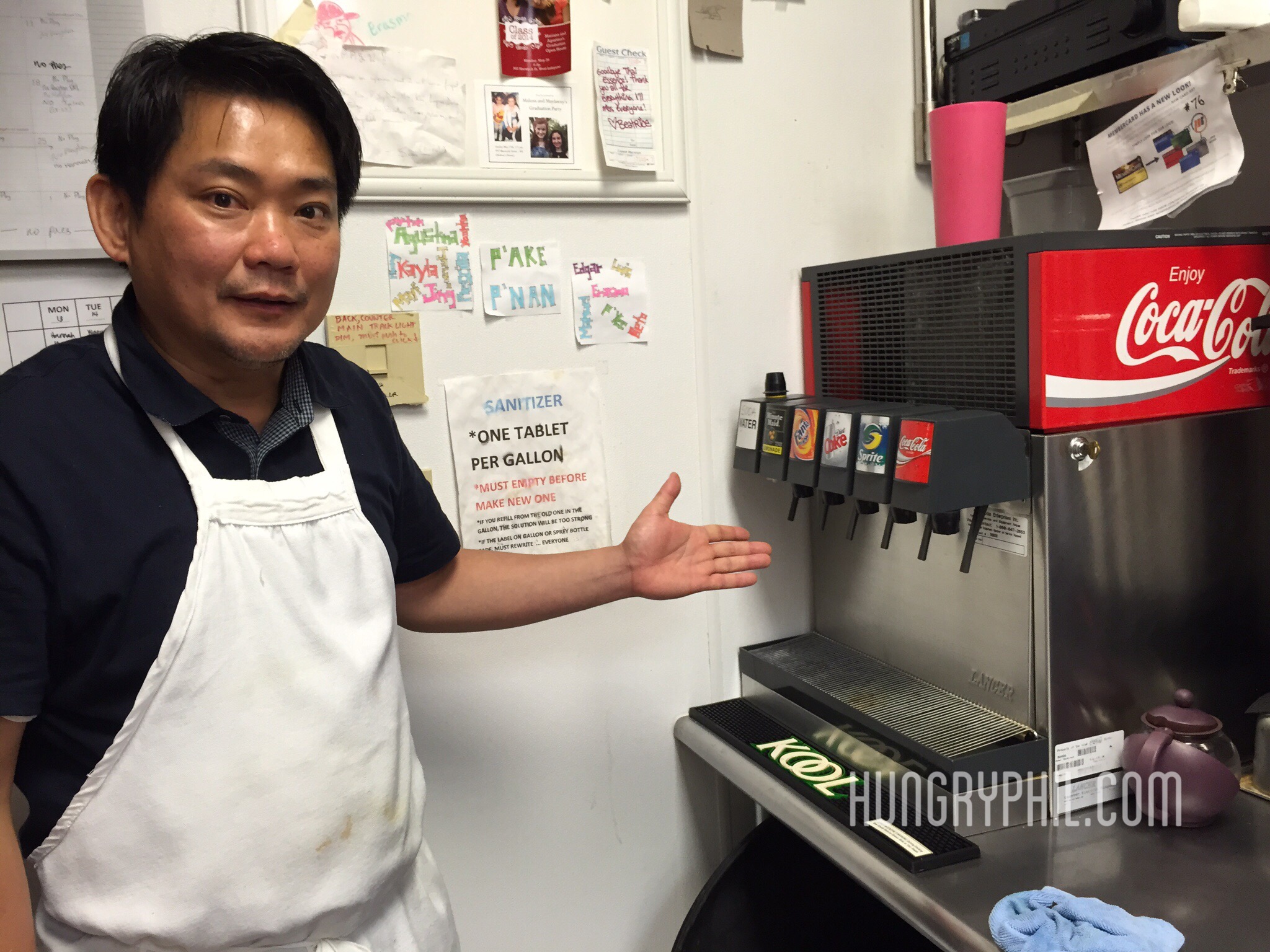
Few food memories begin with abandoned corpses in Buddhist temples, as Chef Ake’s does. Raised in a struggling family in Thailand, young Ake would catch and sell catfish gathered after the rains under the platform of abandoned dead bodies. Lowering his gaze he says that he can still smell the stench. Despite his mother’s warnings, he did this to buy a bottle of Coca-Cola worth less than 5 cents. By chewing and constricting the straw and taking the smallest of sips, he learned to extend his enjoyment of that hard-earned bottle. Opening his second restaurant in West Lafayette, Indiana, he installed a coke machine, but now, ironically he no longer craves the taste. The poverty, he says, pushed him to dream of ice-cream, coke, beautiful houses, of televisions in every room and of playing the piano. His family of five shared every meager meal as a gift. “Food is a gift,” says Chef Ake repeatedly.
The days between growing up in Thailand and opening his first restaurant in West Lafayette, Indiana is a classic immigrant story of persistence, resourcefulness, hard work and struggle that includes, working every possible restaurant position (front and back of house), multiple jobs, janitorial jobs, catering and being a private chef at a sorority. In addition, he astonishingly managed to keep his dream of being a filmmaker alive by earning a M.F. A from the San Francisco Art Institute (in Thailand he worked in the film industry on television shows and advertising): amazing and humbling to hear him recollect those years. He poetically talks about seeing only two sunsets his first year in the U.S. (Christmas and on 4th of July). He also talks about meeting his wife Nan who like him had hotel and restaurant experience and an M.F.A (in theater). On their first date they watched a movie, separately, unable to decide on the same movie. Their second date at 2 a.m. in the morning was spent in a cemetery (Presidio of San Francisco) after a late night work shift. These two unique individuals had found their match. Their shared love for film, theater, books, museums and galleries, of learning brought them here to West Lafayette, Indiana, the home of Purdue University.
How does a childhood consumer of coca-cola become a chef who champions attention to detail in a small Mid-western college town? Tune in next time as slow coke drinker Ake evolves into Chef Ake of Thai Essence, West Layette, Indiana.
Dear Fellow Food Philosophers,
I am collecting food philosophies through three guiding and loose questions:
- Consumption: What are your memories of food?
- Production: What are your guiding principles for making food?
- Demonstration: What would show your philosophy of food?
Please contact me, if you (or anyone you know…..anyone who is involved in making food…not just chefs) would like to share your philosophy with me. Thank you!
 The Hungry Philosopher