Gateway Deshi Dishes – Three Levels

There is a fair amount of gastronomic seduction and education involved in inviting another to one’s native culinary tastes. This is particularly the case when two people from different culinary traditions fall in love and regularly dine together. Jim and I have been together for five years. Through each other and with each other we have discovered many new tastes. This blog is partly an account of our dinner conversations. It is quite possible that we shared every meal you see posted on this site.

In the past five years, I learned to bake (a technique I unknowingly under-utilized before), cakes, chicken, casseroles, vegetables and more. I learned to make a variety of sauces. I learned to appreciate biscuits and gravy, grits and cheese and a variety of sweets I didn’t know existed, like Ritz crackers with peanut butter dipped in chocolate. I appreciate steaks and burgers as worthy treats. Pastas and salads have become very familiar. My pantry is the most diverse and global it has ever been. It is rare for us to go a week without dining on at least three different cuisines. This week, for example, we had Cajun inspired, Japanese inspired and Indian inspired meals.

But, my culinary evolution is small compared to Jim’s. He went from a diet of burgers, salads and packaged Italian meals to willingly eating fried anchovies and spicy vegetable curries. Food is so much better shared. I’m glad Jim is my food buddy.

Here was my intuitive strategy to introduce him to Bengali (South Asian) food:
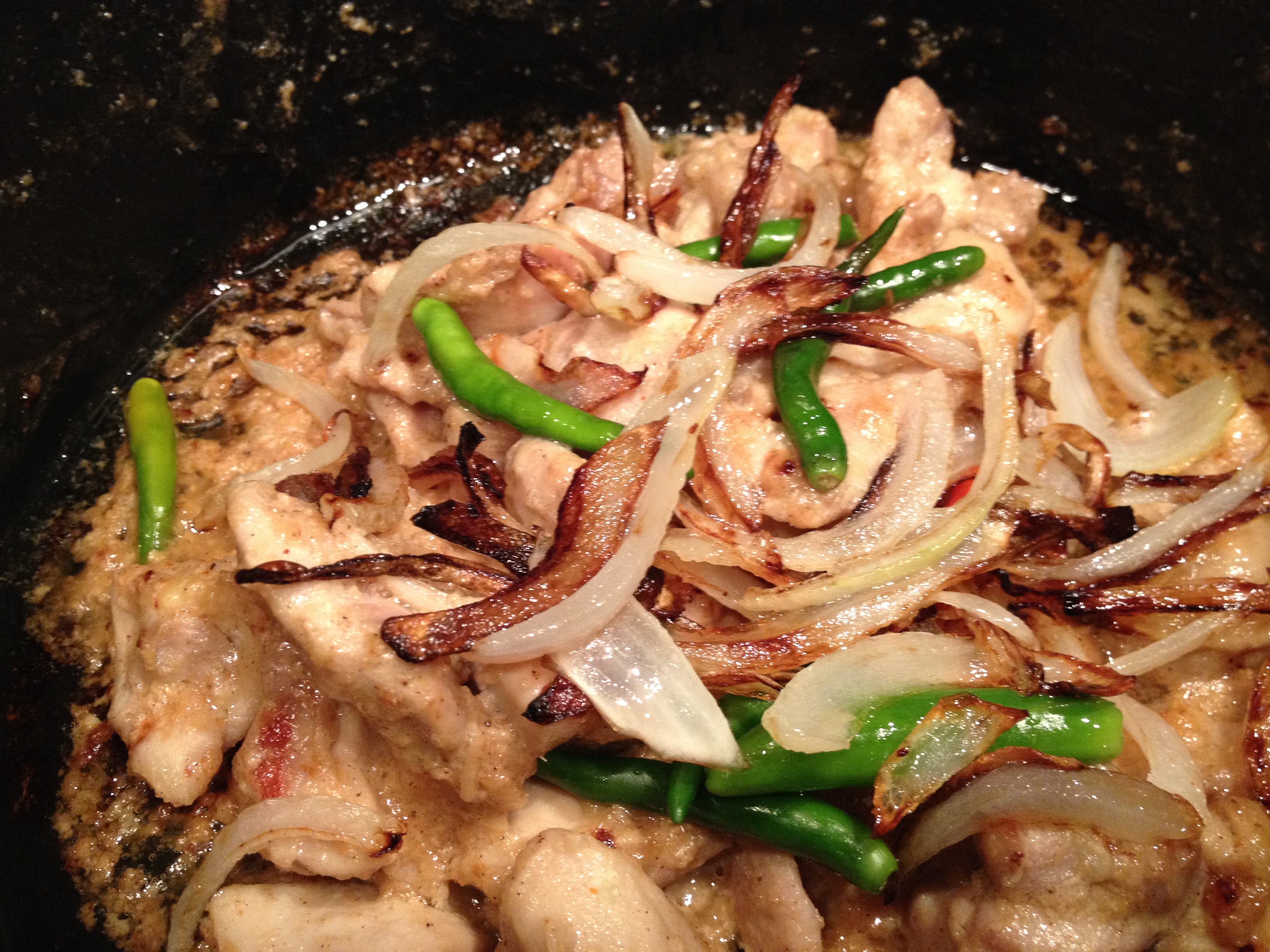
photo 1

Level 1: Comfort: Unfamiliar flavors with a familiar twist.

  • Add cream/ sugar. Dishes like chicken rezala (an earlier posted recipe) made with a yogurt, ginger, garlic sauce work well. [Quick note: The layer of floating oil is unappealing to unaccustomed eyes. The aggressive look of red thick spicy sauce with a film of oil should be avoided as much as possible.]
  • Cover with pastry: If I can’t see the unfamiliar filling then I can’t be too scared of it. Wrapping hides the unknown. Potato croquettes, samosas, vegetable koftas or fritters work well.
  • Fry or grill: anything fried or grill has an automatic familiarity. Example, chicken tandoori.

photo

Level 2: Complexity: Building expertise and letting go of familiar level 1 culinary crutches.

  • Add more traditional ingredients: In stage one, I focused on familiar spices like ginger, garlic, onions, cinnamon, chili with the inclusion of no more than three unknown flavors, like turmeric, coriander, cumin etc. As familiarity builds, I felt okay adding saffron, cardamom, fennel seeds, mustard seeds etc,. For example, shrimp and pumpkin curry with coconut milk, coriander, cumin, garlic, onion, turmeric and chili.
  • Remake restaurant dishes: Somehow standardized restaurant food acquires a level of shared cultural currency. We know Indian restaurant food well (unlikely we cook it at home), sag paneer, butter chicken, karahi ghost and the famed chicken tikka masala. The process of trying something together at a restaurant and then trying to cook it at home, makes it a shared discovery. For example, easy fake out butter chicken (recipe posted previously).
  • Introduce traditional flavor combinations and progression. For example, a cucumber raita accompanies dry kabobs and biriyani dishes, not light currries, dal or vegetables. Or, rice flavored with curries is the main dish, not the meat curry.
IMG_0152

Level 3: Comfort: Search for Variations

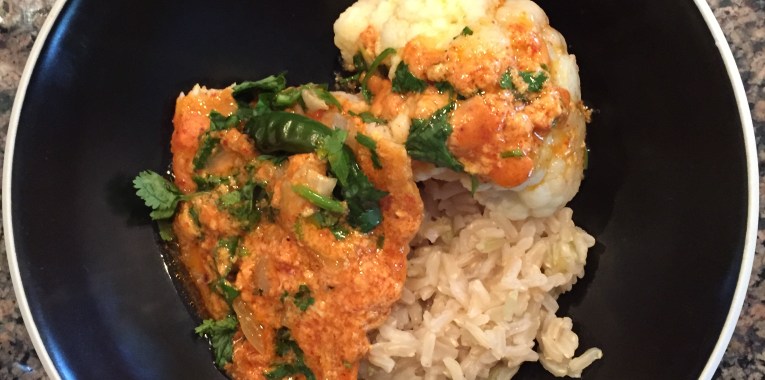
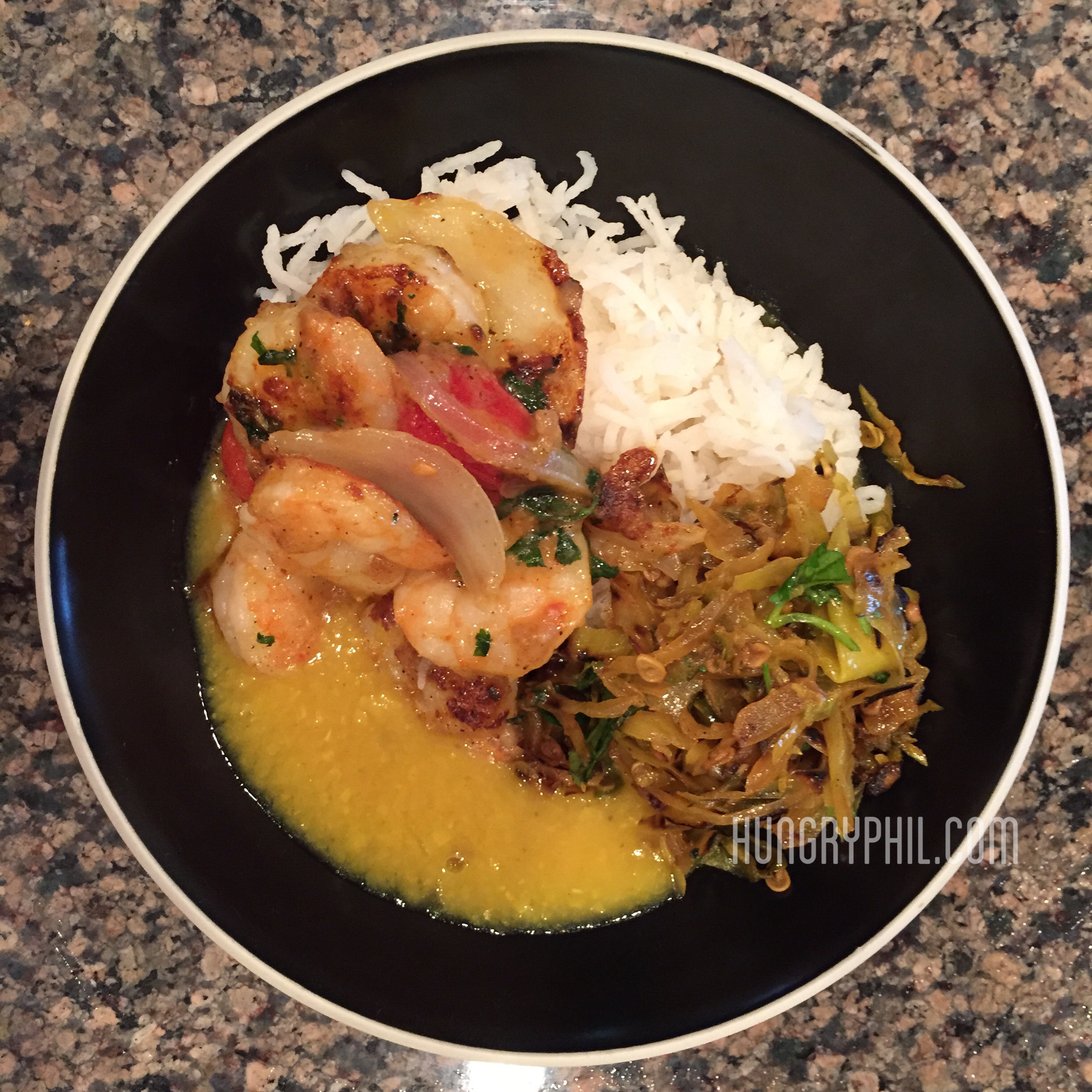
  • This is when floating oil, involved and complex sauces and whole spices in the curry become less intimidating. For example, the spicy Shrimp curry recipe posted last month. Or the plate above with shrimp, dal and cabbage bhaji. This is the phase of native familiarity without the childhood nostalgia.
  • Remake home cooking and regional variations. Now I feel comfortable making dishes I remember eating without worrying whether Jim will like it. His dislike at this point would be a personal taste preference instead of a quick reaction to the unknown.

As you can see, I thought about introducing Jim to flavors I love very consciously. I am thankful that Jim responded as well as he has. I am not alone in pondering these questions of cultural interpretation and translation. In the book, Food: The Key Concepts, Warren Belasco, writes about American preferences (for sweet and meat) and quotes culinary historian Laura Shapiro’s characterization of the Americanization of other culinary cultures by “blunting the flavors and dismantling the complications.” While the strategy of tempered flavors and complexities served well to introduce Jim to Bengali food, the continued discovery now makes it a shared adventure. For example, our first Michelin starred five-course dinner at San Francisco’s  Compton Place (more on that meal later).

Wishing you gateway dishes that take you far away and bring you closer together,

Hungryphil
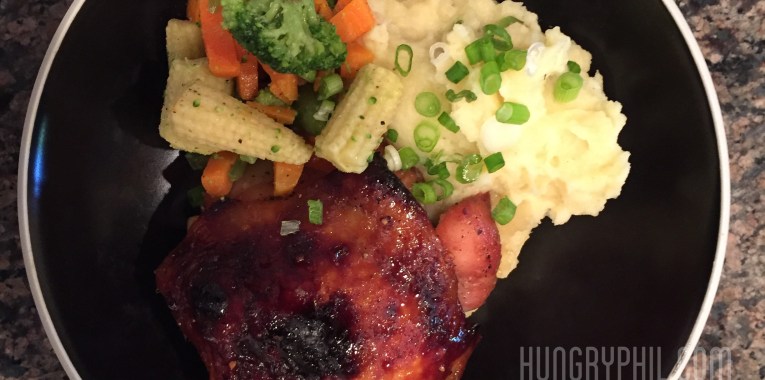
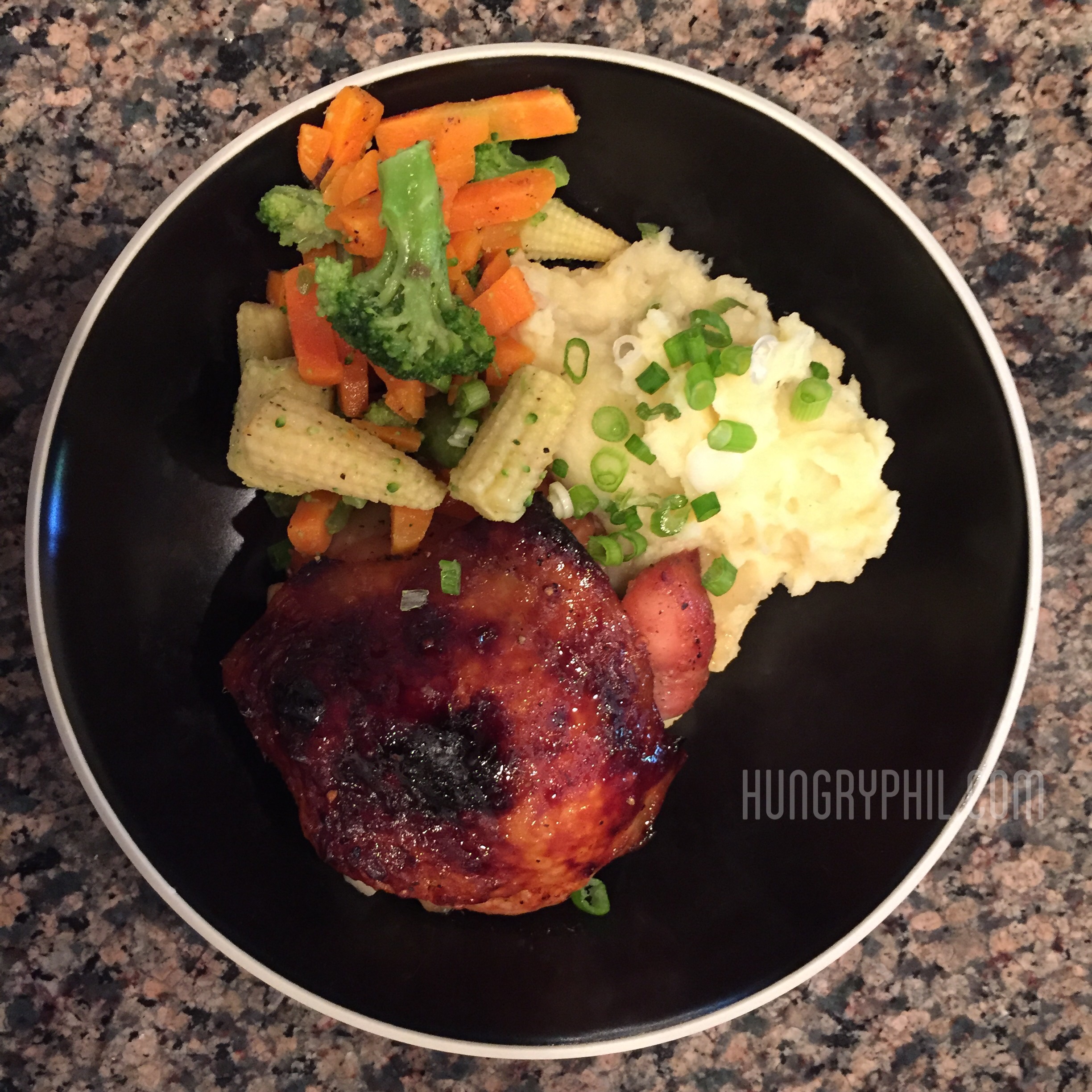
Honey Ginger Chicken with Wasabi Mashed Potatoes

Honey Ginger Chicken: Marinate four chicken thighs with 3 tbs soy sauce, 3 tbs oil, 3 tbs honey (I was so close to finishing my honey bear bottle that I just emptied it into the marinade, making it more like 4 tbs honey), 1/2 tsp garlic crushed/paste/minced, whatever you have and 1/2 tsp garlic paste, salt, pepper. Marinated for three hours. I added a few sliced green chili peppers. Baked at 425 for 20-30 minutes.

Wasabi Mashed Potatoes:  Just regular mashed potatoes. Boil potatoes. Mash. Butter 2 tbs. 1/4 cup heavy cream or sour cream. Salt and pepper. Add 1 tsp of wasabi mustard. Top with green onions.

I can’t take credit for the vegetables. It was just a bag of Bird’s Eye Asian Vegetable Medley. But I have to say the baby corn with its metal flavor was NOT my favorite.

Good dinner. Caramelized skin, succulent warmly spiced chicken, creamy and spicy potatoes. Did I say it was super easy?

You can marinate the chicken things in a bag over the weekend and just bake on a weeknight for an easy no prep dinner. I imagine yummy with noodles and rice too. Let me know how it goes, if you try it.

Amani, I hope you try it in your college kitchen, its cheap, quick and neutral enough to suit many taste palates.

Wishing you delicious improvised and inauthentic dishes,

Hungryphil

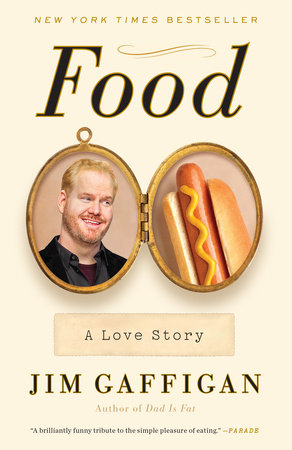
Food: A Love Story by Jim Gaffigan

9780804140430

There is nothing unique or innovative about the Hot Pocket concept. It is fundamentally just meat with a pastry-like cover. This is nothing new. I remember initially looking at the Hot Pocket product I saw in commercials and thinking, Well, that’s just a calzone. I imagined all the South Americans exclaiming, “Hey! That’s our empanada!” And the Jamaicans insisting, “No, that’s our meat pie!” It seems like every culture has a version of the thing we Americans have come to call a Hot Pocket. While these other countries’ dishes seem like real food with some special kind of history, the American version seems like a cheap imitation. The Hot Pocket is sort of a symbol of the way we eat in America. The early development of the Hot Pocket appears to have begun with the TV dinner, the hominid of the Hot Pocket evolutionary chain. In the middle of the last century, our lives got busier, and we got lazier in our food preparation habits. In the 1950s, the TV dinner made it possible for us to conveniently eat in front of our television. The microwave made it possible for us to make the TV dinner faster so we could watch more television. I imagine intravenous food streaming from the television is about a decade away.

This was the best travel read in a long while for me. I laughed out loud to many passages, which I admit, rarely happens. The balance between his and his wife Jeannie’s eating preferences was helpful orientation … and hilarious. The venn diagram of fruitcake and the map of American food according to Gaffigan is worthy of considered study. The visuals, like the diagrams, maps and photos throughout the book were effective in justifying his claims that for example no one likes vegetables or fruits, everyone likes ice cream etc,. Despite my love of vegetables and fruits, I still very much agreed with Gaffigan’s analysis of American food.  As a philosopher how could I not appreciate such unabashed honest self-aware eating!

All joking aside, Gaffigan comically highlights quite a few oddities about the serious problem of American eating and obesity. The quoted passage above helps explain my interest in American food from a design perspective. Notice the mediation of technology in the American Hot Pocket example. After all, a Hot Pocket is a designed object. An ontographic map, a la Levi Bryant, of the Hot Pocket would show that the supermarket, the freezer, the microwave and the television exert gravity absent in traditional variations of empanadas or calzones. The technological intervention and preservation, the emphasis on speed of preparation and the association with television and entertainment, make the Hot Pocket, according to Gaffigan, quintessentially American like Las Vegas all-you-can-eat-buffets.

Food: A Love Story is a personal conceptual and comic exercise of food studies, design studies and American studies. Jim Gaffigan is an exemplary hungry philosopher. I am humbled. And, now very hungry for a cheeseburger.

http://www.jimgaffigan.com/books/food-a-love-story/excerpt

http://www.pastemagazine.com/articles/2015/07/the-10-best-food-jokes-of-jim-gaffigan.html

Image from: http://www.penguinrandomhouse.com/books/236811/food-a-love-story-by-jim-gaffigan/

O Cheese – Food Poem by Donald Hall

In the pantry the dear dense cheeses, Cheddars and harsh
Lancashires; Gorgonzola with its magnanimous manner;
the clipped speech of Roquefort; and a head of Stilton
that speaks in a sensuous riddling tongue like Druids.

O cheeses of gravity, cheeses of wistfulness, cheeses
that weep continually because they know they will die.
O cheeses of victory, cheeses wise in defeat, cheeses
fat as a cushion, lolling in bed until noon.

Liederkranz ebullient, jumping like a small dog, noisy;
Pont l’Évêque intellectual, and quite well informed; Emmentaler
decent and loyal, a little deaf in the right ear;
and Brie the revealing experience, instantaneous and profound.

O cheeses that dance in the moonlight, cheeses
that mingle with sausages, cheeses of Stonehenge.
O cheeses that are shy, that linger in the doorway,
eyes looking down, cheeses spectacular as fireworks.

Reblochon openly sexual; Caerphilly like pine trees, small
at the timberline; Port du Salut in love; Caprice des Dieux
eloquent, tactful, like a thousand-year-old hostess;
and Dolcelatte, always generous to a fault.

O village of cheeses, I make you this poem of cheeses,
O family of cheeses, living together in pantries,
O cheeses that keep to your own nature, like a lucky couple,
this solitude, this energy, these bodies slowly dying.

“O Cheese” by Donald Hall from Old and New Poems. © Ticknor & Fields, 1990.

From the Writer’s Almanac, September 20th, 2015

http://writersalmanac.org/page/5/

Zen and the Art of Mushroom Washing

crimini

image from: http://humanelivingnet.net/2013/09/30/creating-healthy-dishes-with-crimini-mushrooms/

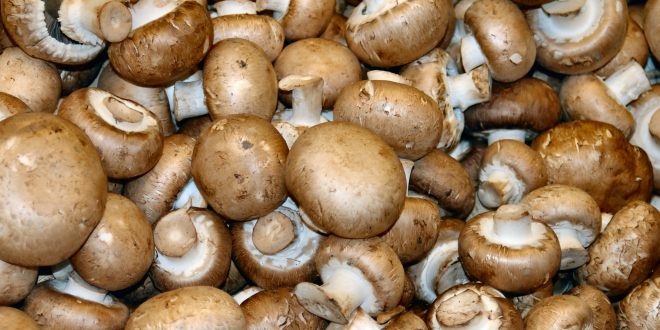
Mindless repetition is tedious, while mindful repetition is meditative. This is the lesson I learned as I washed large bins of cremini mushrooms. Individually.  For three hours. Before you judge, the preferred method of wiping mushrooms would’ve taken even longer. So in all her wisdom and experience, Chef Liz of Second Helpings suggested I wash the rescued grocery mushrooms. Smart chef.

Spending a considerable amount of time devoted to a single task as any craftsman, line cook, factory worker knows, makes one REALLY absorb the material. I can close my eyes and smell the earthy ground, feel the difference between firm and fresh mushrooms versus slimy, spongy mushrooms, I can follow the curves, the fragile stems. Given these were rescue mushrooms, my mode of inspection was heightened in order to discard anything fuzzy and green.

Yes, there were moments when I felt the weight of the repetitive task and hoped my time with the mushrooms would end. I also knew that soon these mushrooms would be sliced, roasted and then added to dishes that would feed so many. I suppose it is this stretch of the imagination and shared work that brings all of us volunteers into the kitchen everyday.

Admittedly, there was something else besides such abstract musings of a beneficent outcome. I had an odd sense of being present with this mushroom held under a stream of water. Everything else receded. It was strange that I could oscillate between complete mushroom awareness and complete mushroom annoyance. This explains so much about how I live life. I feel always immersed and burdened at the same time.

I wonder how you emotionally and intellectually process repetitive peeling, chopping, washing, stirring, shaping or wrapping. Thoughts?

Here is one thought I found in the essay, “The Nourishing Arts,” by Michel de Certeau and Luce Giard (from Food and Culture: A Reader edited by Carole Counihan and Penny Van Esterik)

I discovered bit by bit not the pleasure of eating good meals (I am seldom drawn to solitary delights), but that of manipulating raw material, of organizing, combining, modifying, and inventing. I learned the tranquil joy of anticipated hospitality, when one prepares a meal to share with friends the same way in which one composes a party tune or draws: with moving hands, careful fingers, the whole body inhabited with the rhythm of working and the mind awakening, freed from its own poderousness, flitting from idea to memory, finally seizing on a certain chain of thought, and then modulating this tattered writing once again. Thus, surreptitiously and without suspecting it, I had been invested with the secret, tenacious pleasure of doing-cooking.

… The sophisticated ritualization of basic gestures has thus become more dear to me than the persistence of words and texts, because body techniques seem better protected from the superficiality of fashion, and also, a more profound and heavier material faithfulness is at play there, a way of being-in-the-world and making it one’s home.

That’s my story for today.

Wishing you all good food stories,

Hungryphil

For those of you, hungry philosophers, in the Indianapolis area please check out this amazing organization with a three-pronged mission to rescue food, cook for the community and train people to enter the food industry.

Home

Sunday Slow Eats (Inauthentic Recipes)

IMG_1927

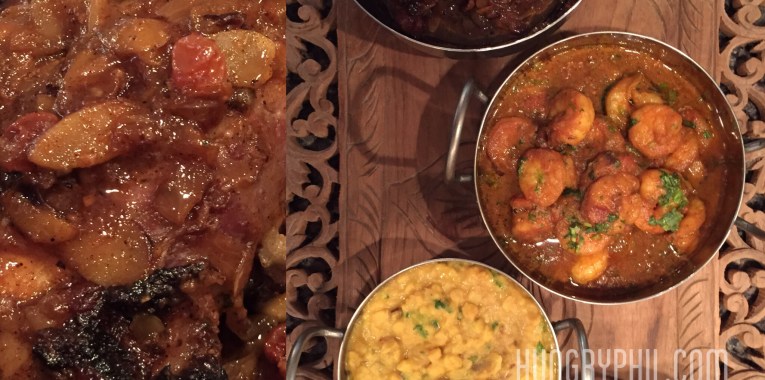
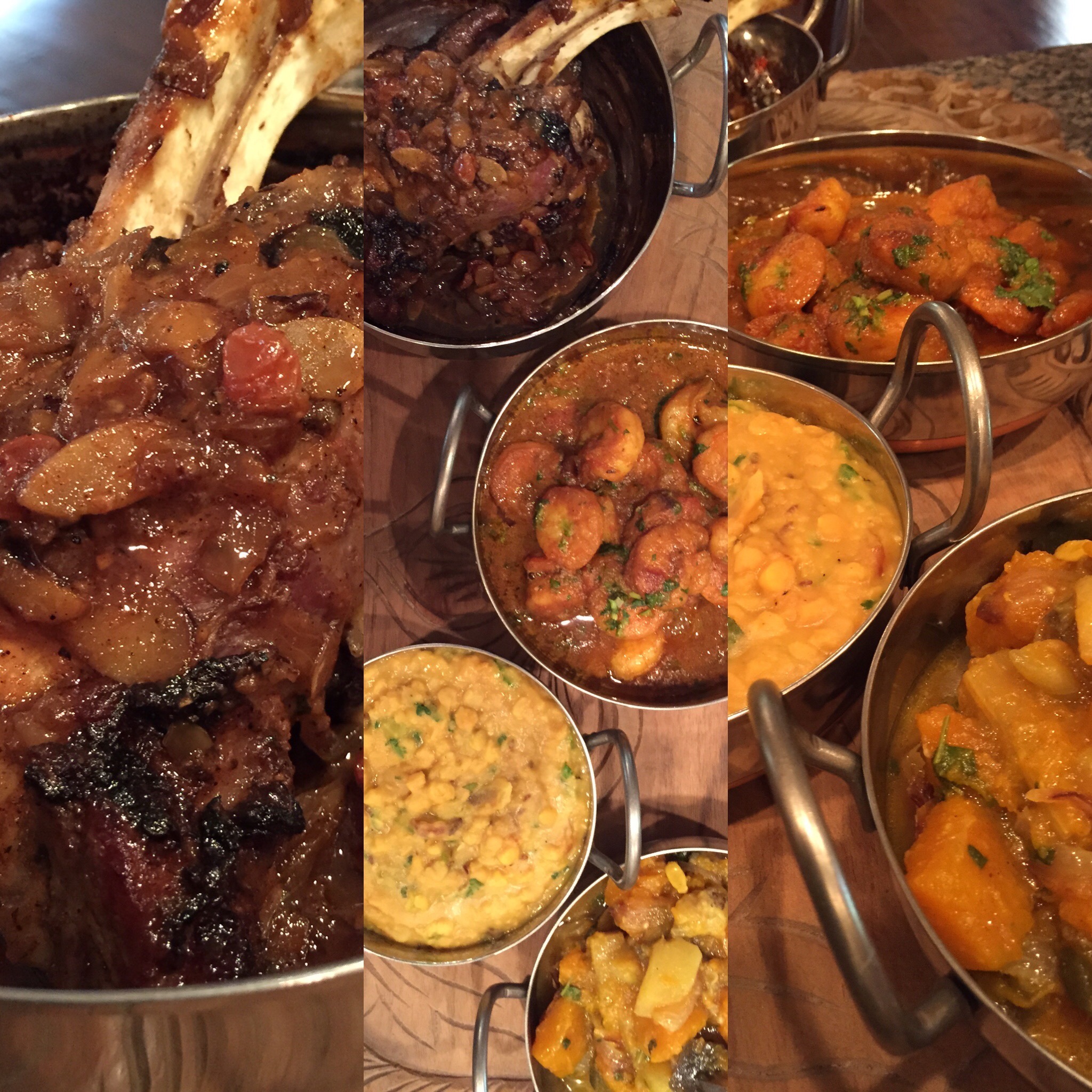
Last weekend my newly braced child, not in pain, and asked for “deshi” or “home food.” I was only too happy to oblige and enjoy a day of savored chewing with her. It took two hours to slow roast the lamb shank in the oven. While that was cooking in a glaze of ginger, caramelized onions, spices, raisins and nuts, Jim and I cooked Dal (the thick kind my father likes), a spicy shrimp curry and a light vegetable curry.

In my chopped and blended family, Jim can now identify spices, stir until the oil separates from the roasted spices ( a strange and specific Asian cooking technique) and even anticipate when I’ll ask for another onion. Very impressive. He is officially trained in the deshi kitchen (he’s already quite a chef during Steak and Burgers, Southern, Italian and Mexican kitchen nights). Jim not only helps me cook but has also graduated from eating modified Bengali food to keeping up with my confessedly inauthentic taste. No coconut milk or cream was added, no heat removed, no vegetables or spices were denied yesterday.

It was reassuring to be able to share a meal that reminds me of my parents and larger family, with Jim. Cooking may have taken two hours but considering going to the stores and washing dishes afterwards, it was a whole day event. It was time well spent together. What a true luxury to have an open day to make something that invites thoughts of family whether present or not (you are missed and loved).

Here are loose directions for each of the dishes for Amani, my eldest at college (one of many missed yesterday) and you my patient readers:

Thick Split Chana Dal

  1. Cook the lentils in water until tender. I had about 1/2 cup of dal with 2 cups of water. Some kernels will start breaking apart. This takes a while (about an hour on medium heat).
  2. Add salt and tumeric.
  3. Saute cumin seeds until fragrant (about 30 secs), sliced onions, slivers of garlic ( a little later otherwise the garlic will burn and become bitter), chili peppers, in ghee. Add the mixture to the dal, stir and let simmer until desired consistency. Add water if needed.

Mixed Vegetables

This a super easy way to make a light vegetable curry.

  1. Cut vegetables ( I had eggplant, pumpkin, potatoes and a particular type of green large and long squash found in Indian markets, I have no idea what the English name might be) into equal sizes, about a 3/4 inch dice.
  2. Cook with a little water until tender.
  3. Add salt, tumeric to the cooked and soft vegetables.
  4. Repeat step three of the dal recipe. Here you can add 1/2 teaspoon of ginger or a spoon of any indian jarred pickle you might have.

Spicy Shrimp Curry

  1. Make a spice paste with 1 teaspoon tumeric, 1/2 tsp chili powder, 1 teaspoon garlic paste, 1/2 garlic, 1/2 cup onion paste (just blend up an onion)  1/2 coriander powder, 1/2 cumin powder and salt. 
  2. saute spice mixture in oil
  3. add 1/2 can (or fresh) of diced tomatoes, saute spice mixture in oil until oil separates. You may have to add oil, until it does so.
  4. Add a bag of cleaned shrimp.
  5. Simmer until shrimp is cooked, add cilantro before serving.

Roasted Lamb Shank

  1. Rub lamb shank with salt, ginger and garlic paste and let rest. If you have any packaged spices or garam masala you like, you can rub that on as well. I’m guessing any spice rub would work.
  2. Brown shank on all sides. Set aside.
  3. In same pan, saute sliced onions, add 1/2 teaspoon each of  ginger and garlic paste, slivered almonds, raisins until roasted and brown. Place the shank (s) in the sauce. Add water to just cover the bottom.
  4. Cover and bake in a low heat oven (325) for about 1 hour-2 hours until meat almost falls off the bone.

We enjoyed these dishes with Pulao (Rice pilaf) and store bought naan. Left-overs are even better! I had a fantastic and fulfilling lunch of vegetables and rice today. Oreo, the dog, who turned 3 yesterday, is chewing on a lamb bone as I write. He is so happy.

That’s my food story for now.

Wishing all of you random days of shared cooking, eating and remembering,

Hungryphil

Noma No more?

16NOMA3-articleLarge

Image from: http://www.nytimes.com/2015/09/16/dining/noma-rene-redzepi-urban-farm.html?_r=1

Earlier this week a New York Times article announced the closing of Noma, consistently ranked among the top 50 restaurants in the world. Chef Rene Redzepi as the article title suggests plans to reopen in a different Copenhagen location in 2017. In the meantime, he and his team will be busy converting an urban ruin into an urban farm able to support the new restaurant fully committed to seasonal dining. American chef Dan Barber’s Blue Hill at Stone Barns sets similar ambitions, investing deeply in ingredients by employing on site farmers and farming. The “menus” at both begin with and stay true to the produce. For example, instead of traditional menus designed around dishes and techniques, the meal at Blue Hill is guided by “grazing, pecking and rooting” from greenhouse, field, pasture, forest, farm and cellar products.

This philosophy that dining begins with the ground depends on a creative and intimate understanding of place, seasons, processes of growing, cooking and eating of each diverse ingredient. These chefs, push the idea of “farm to table,” slow and local dining to the experimental extreme by including the farm, in form and content, as the restaurant experience. The challenge to convert a historically domestic practice of garden eating to a professional standard of consistency requires tremendous forethought and faith in the ability to quite literally grow quality products. I can’t tell if these are exercises in hubris or humility. Perhaps, both?

http://www.nytimes.com/2015/09/16/dining/noma-rene-redzepi-urban-farm.html?_r=0

http://www.grubstreet.com/2015/09/history-of-noma.html

http://noma.dk/

https://www.bluehillfarm.com/dine/stone-barns

What makes Iconic Food Packaging?

mag-17WMT-t_CA0-superJumbo

Image from: http://www.nytimes.com/2012/06/17/magazine/who-made-that-soy-sauce-dispenser.html?_r=0

Among iconic food packaging, NPR’s Salt includes the Coca-Cola bottle (1915), Morton Salt (1914) , Pringles (1968), Jiffy Pop (1959), Kikoman (1961) and Jif Lemon juice (1954). What makes food packaging iconic? Instant recognition like the coca-cola bottle? Function, like the Kikoman bottle? Introduces a new product, like Pringles? or Symbolic, like the lemon juice bottle? What other products might we include in this list and why? Here is one more example (for better and worse that makes processed food attractive).

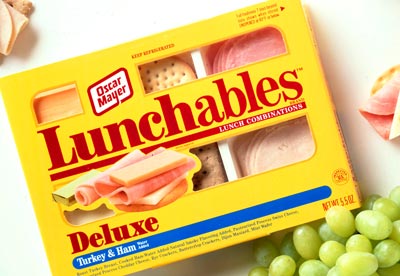
Lunchables

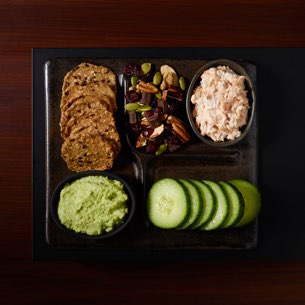
Lunchables translated the Swanson frozen television food tray into a school lunchroom experience. We see this idea of packaged lunches used in the Starbucks Bistro Boxes today for now adult kids of the 1990s who grew up with lunchables.

tv-dinner-1954-large

lunchables2

5e0eb15bcfc34fa88534cdf6adce287f

Image from http://www.cooksinfo.com/tv-dinners

Image from http://childrenofthenineties.blogspot.com/2009/04/lunchables.html

Image from: http://www.starbucks.com/menu/food/bistro-boxes/omega-3-bistro-box

http://www.npr.org/sections/thesalt/2015/03/16/392514497/looks-matter-a-century-of-iconic-food-packaging

New Braces: Compromised Chewing not Taste

IMG_1887IMG_1888

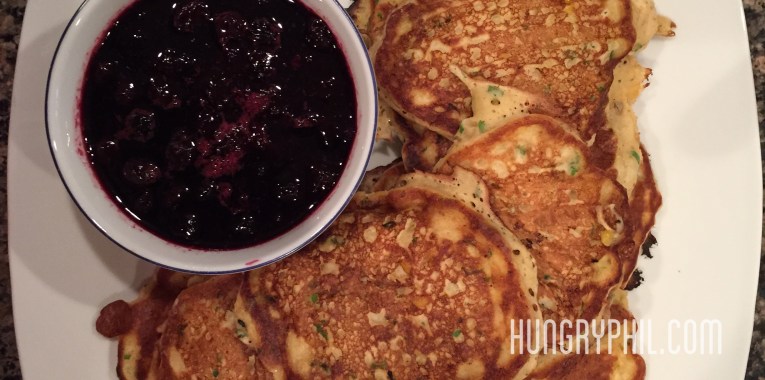
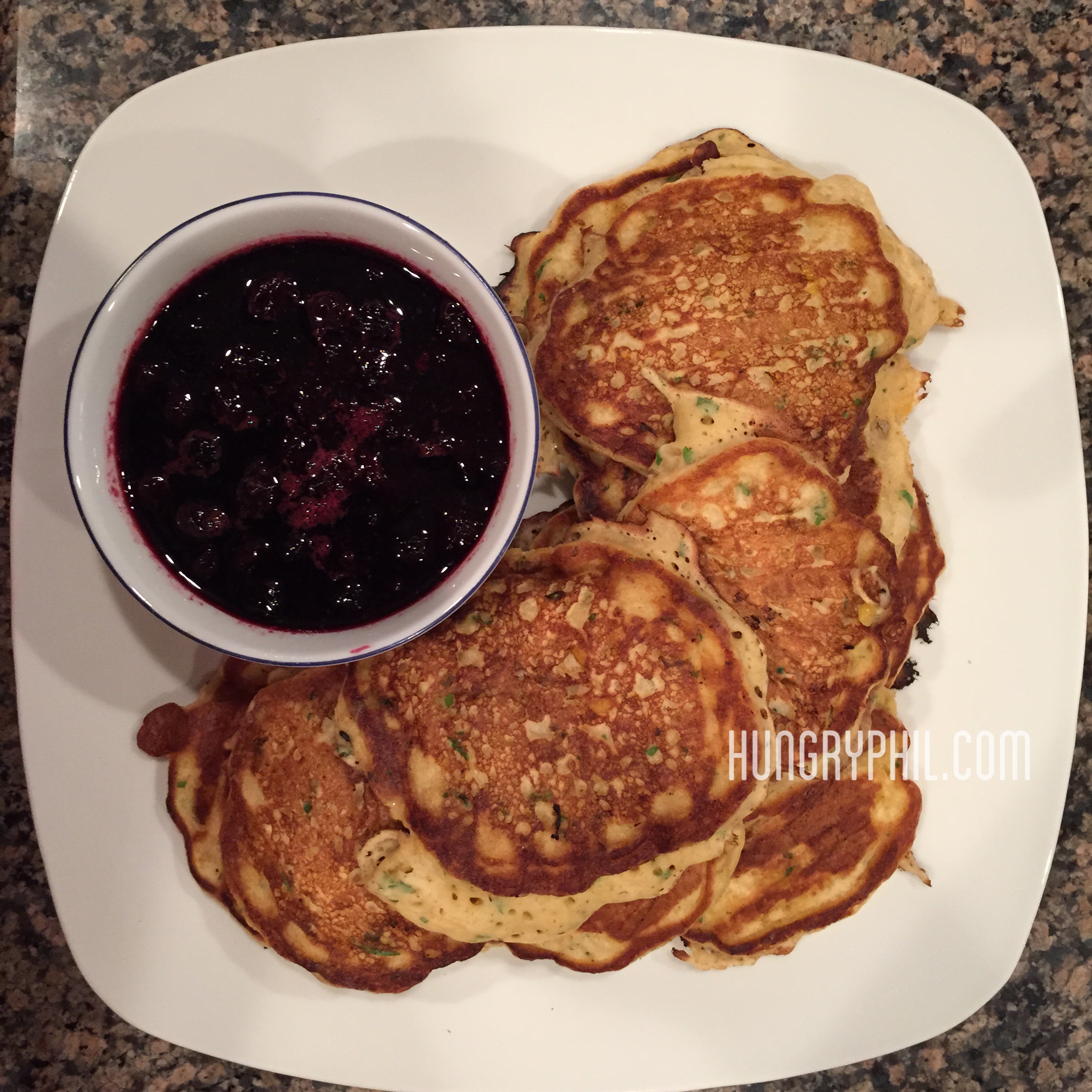
Puberty and braces unfortunately happen together here in the U.S.  Last week we had one child completing her time with braces while another began the process. New braces brought new challenges to my already complex chopped and blended dinner table. Soups and smoothies worked until she got tired of a liquid diet. Then came the minimal chewing but more substantial meals. I made her soupy khichuri (a Bengali mix of rice and lentils, lightly spiced), one of her favorite, braces or no braces. She also enjoyed the savory corn pancakes (a batter made with the addition of creamed corn). The chicken enchiladas still required too much chewing for her comfort. I lost a point there. Its always somehow surprising when small unrecognized parts of ourselves, once hurt or broken, change the way we do things. Teeth are wonderful machines that allow us to enjoy so many delicious simple things, like apples and crusty bread. Certainly not to be taken for granted by foodies, eaters and gourmands.

I’ll report back with brace friendly bowl food like khichuri, congee, risotto, grits, polenta and various sauces for the months of tightening to follow.

Second Raw Spice Bar Journey: Jamaican Fish Tacos


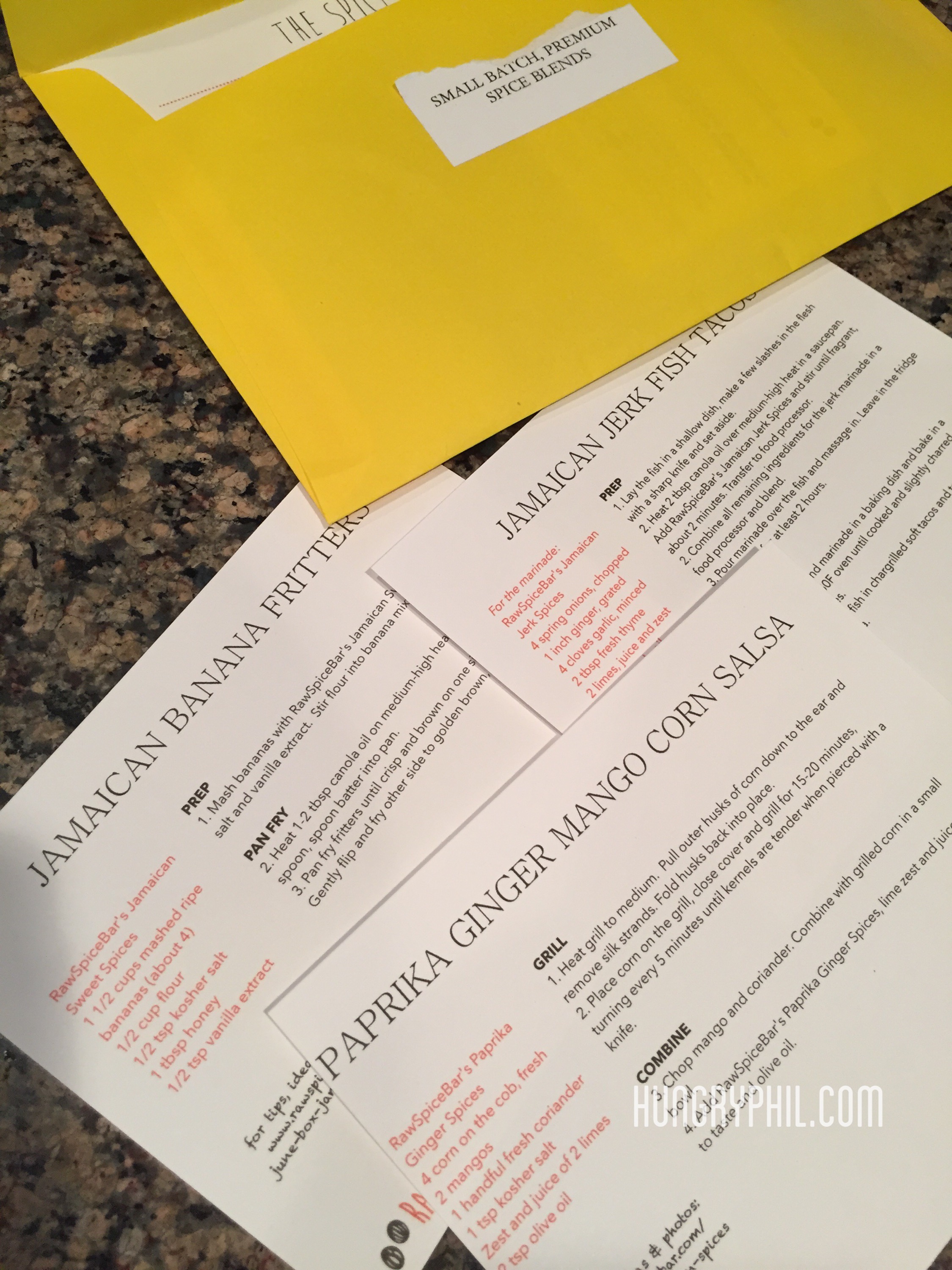
My June culinary trip courtesy of my subscription to the online spice purveyor, Raw Spice Bar was to Jamaica. With all the summer fun and travel, it was August before we had the chance to use the delicious recipes and accompanying spices. The delightfully light and tropical menu involved jerk fish tacos, mango corn salsa and banana fritters.  The fish tacos were layered with smoky and fresh flavors, as was the ginger corn salsa.  The combination of heat and fruit gave the meal a distinct island feel. Really good. My food writing is not doing the meal justice. The recipes taught me a few new techniques, like grilling the corn in the husk for 20 minutes for the salsa. And, that salsa can have warm, hearty flavors like ginger and paprika. I also learned that white flaky fish can stand up to heavily spiced marinades and the substantive chew of corn salsa. These were not dainty and delicate fish tacos. I have to confess, like my first experiment and trip to Peru, the dessert was not my favorite. But, I was happy to be challenged by the unusual spicy sweet banana fritters. What a wonderful way to spend an Indiana summer evening on the porch with friends tasting far away flavors together! Thank you, Les and Kara for gastronomically traveling to Jamaica with us and bringing the pina coladas.

https://rawspicebar.com/june-jamaican-spice-box/

If as philosopher Levi Bryant writes, “A recipe is a machine that performs operations on a cook, leading that cook, in her turn, to perform certain operations on various cooking utensils and ingredients” then this culinary trip to Jamaica made me mindful of  all the negotiated details that involved the spice packets, the recipe directions, the ingredients, the cooking methods and utensils, the cultural tastes, my skill level and taste preference, online shopping, reliable mail delivery, producers and collectors of the spices, and more. It mediated a different organization of familiar ingredients. I’ll be thinking about the gravity and media of Jamaican Fish Tacos for a while. More later on recipes as machines, ala Levi Bryant’s machine-oriented ontology.