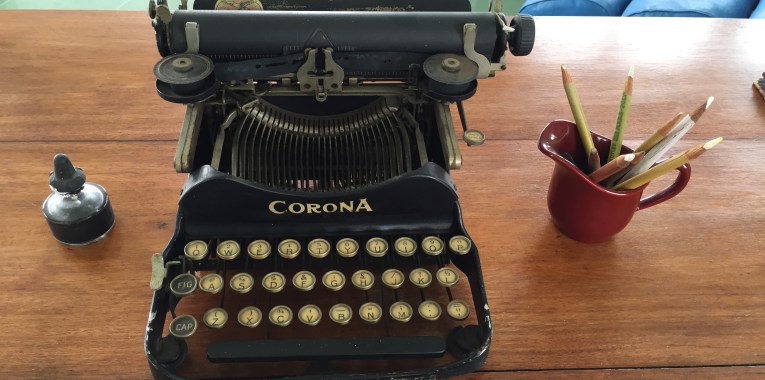
Cooking in the time of Corona

The restlessness to get back to “normal” was so vivid for me yesterday as we past a local water park teeming with children and families. No masks, no 6 feet distance, no indication of a pandemic. It was an almost nostalgic surreal vision. Addressing our level of comfort with safety and health is now personal and subjectively enforced (the effectiveness of masks-handwashing-social distance use has been proven). Without public mandate, it can be confusing and challenging to self-monitor and so easy to judge the choices of others. Everyday warrants revision of the boundaries to the question, “am I protecting others from viruses I am hosting?”

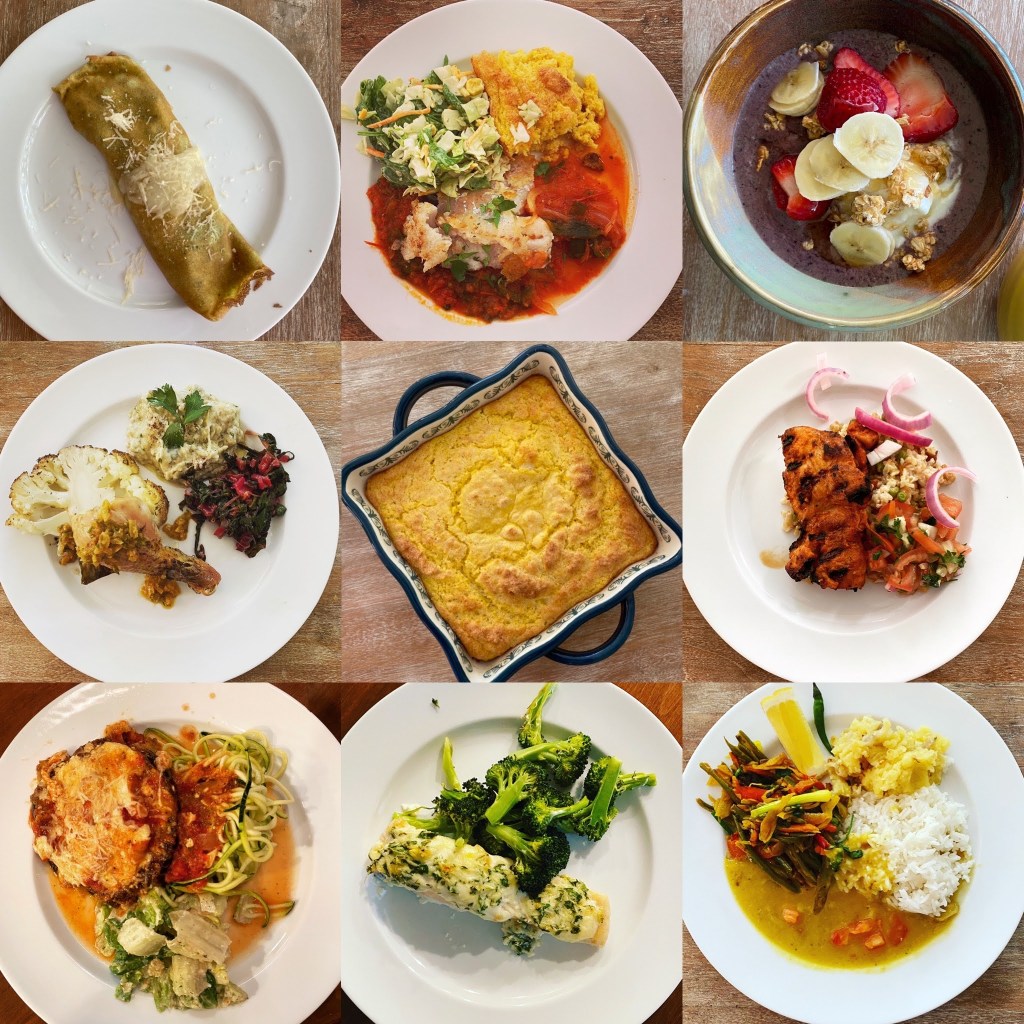
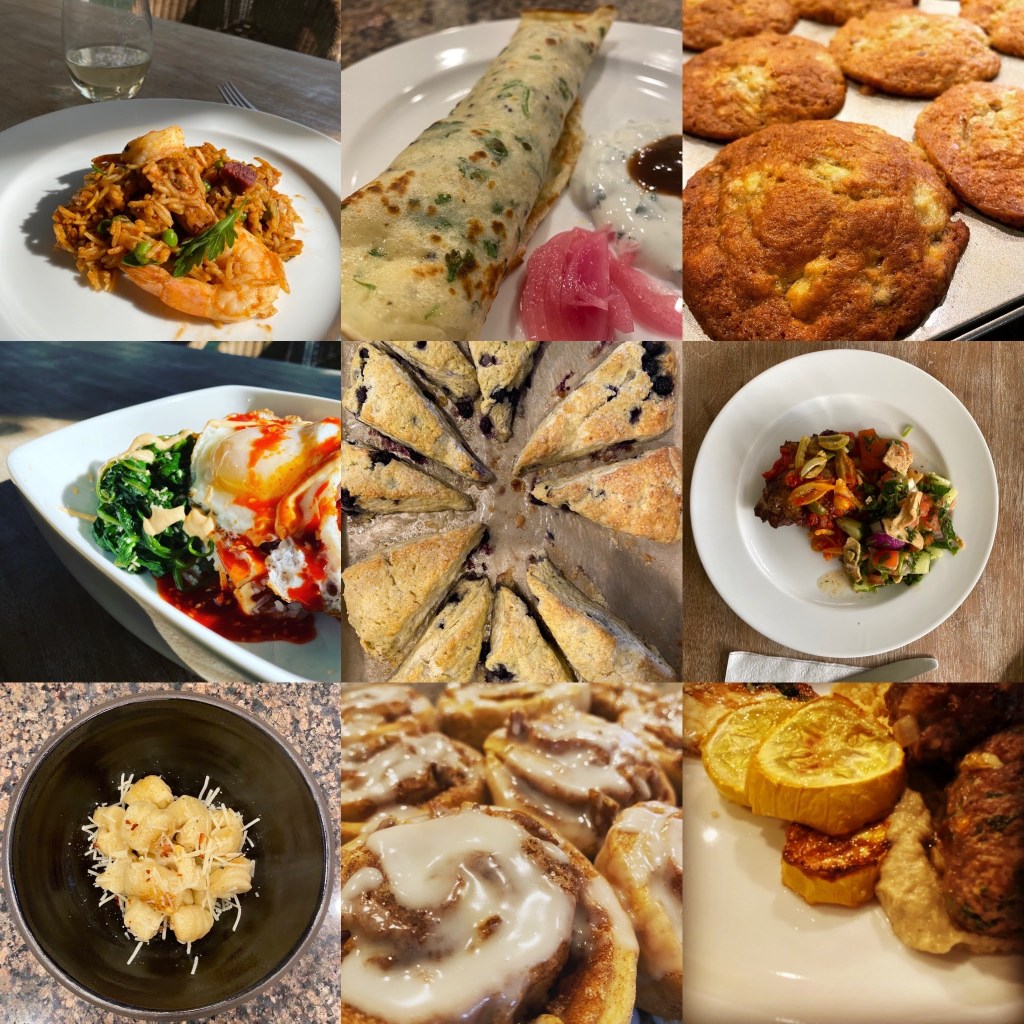
Within this uncertainty and confusion, I found comfort in the regularity of meals together and the kitchen. So, today I offer a food retrospective of my last three months in social isolation with family. As I watched drenched children scurry back to the water-slide steps, I was thinking about the last few months at home, things I miss, things I enjoyed. I miss eating out: the sound of dishes, muffled conversations, laughter, smells, wide exotic and familiar views, and sitting across from loved ones and friends. But, I can’t complain, what a privilege its been to cook for family who will disperse again too soon.

Hoping you continue to find your way to comforting routine as we move through the phases and cycles of Covid-19,

Hungryphil

Food Poem- Hymn to the Belly

ROOM! room! make room for the bouncing Belly,
First father of sauce and deviser of jelly;
Prime master of arts and the giver of wit,
That found out the excellent engine, the spit,
The plough and the flail, the mill and the hopper,
The hutch and the boulter, the furnace and copper,
The oven, the bavin, the mawkin, the peel,
The hearth and the range, the dog and the wheel.
He, he first invented the hogshead and tun,
The gimlet and vice too, and taught ’em to run;
And since, with the funnel and hippocras bag,
He’s made of himself that now he cries swag;
Which shows, though the pleasure be but of four inches,
Yet he is a weasel, the gullet that pinches
Of any delight, and not spares from his back
Whatever to make of the belly a sack.
Hail, hail, plump paunch! O the founder of taste,
For fresh meats or powdered, or pickle or paste!
Devourer of broiled, baked, roasted or sod!
And emptier of cups, be they even or odd!
All which have now made thee so wide i’ the waist,
As scarce with no pudding thou art to be laced;
But eating and drinking until thou dost nod,
Thou break’st all thy girdles and break’st forth a god.


“Hymn to the Belly” by Ben Jonson. Public domain.

From the Writer’s Almanac Podcast, June 11, 2020.

This poem is dedicated to Agatha, my belly. She likes mysteries and is sometimes cranky. Due to pandemic related social isolation and coping by cooking, she has grown in the past three months. We relate to the last fragment of this 16th century poem: “thou break’st all thy girdles and break’st forth a god.”

May you make room for your belly,

Hungryphil

Three steps forward…

Two steps back, is still progress right? At least movement.

In the therapy process we are looking for movement, doesn’t matter which direction. Movement shows struggle, shows vitality, shows emotional effort, even if in the seemingly negative direction.

Aristotle defines life as movement between contraries. If we are all composed of many parts, many contradictions, the movement of our attention and energy signals our soul in motion, alive and becoming. Like a designed work of art…

...”For a house is generated from objects which exist not in composition but are divided in a certain way, and likewise for a statue or anything that has been shaped from shapelessness; and what results in each of these are order in one case and composition in the other.

If, then, all this is true, everything that is generated or destroyed is so from or to a contrary or an intermediate. As for the intermediate, they are composed of contraries; the other colors, for example, are composed of white and black. Thus every thing which is generated by nature is a contrary or composed of contraries.”

from Aristotle’s Physics, Book A

Therapists will recognize this as resonant with Internal Family Systems, grief and loss integration, Dialectical Behavior Therapy and other systems that are premised on behavior change by integrating internal opposition.

In working with a client, we as counselors or therapists are guiding the recognition and acceptance of conflicting emotions. Here is my question for my fellow counselors out there….

How do you as a therapist integrate a conflicting sense of relief and shame when a client goes inpatient?

As you can see, I am trying to intellectualize and hide in my happy place of philosophy. This is still difficult for me to digest. If feel like I go three steps forward and two steps back in these situations. I have to remind myself that movement is good regardless of direction.

What are your strategies in addition to talking with peers and supervisors for support as I am now?

Thank you for reading the long prelude to the question.

Hope you are fully alive with contradictions,

Hungryphil

Scorched Paella and the Pandemic

I have the privilege of staying safe at home during this pandemic. Comfortable, well-fed and loved, I’m basking in the simplicity of making meals for my daughters. I can’t complain.

As a nerdy introvert lost in my own thoughts, my social scene has not altered much except for lunches with my trusted tiny circle of friends.

But.

I do miss being alone with others.

You know….that moment when you feel a part of a stream of humanity, no titles, roles, names, just human. I’ve felt this connection when noticing shoes on the subway, tired heads nodding on a train commute home, standing impatiently at the checkout counter, sitting at a coffee shop glowing with lit laptop screens, waiting with anxious others at doctors offices and airports. I miss humanity.

This social isolation has taught me the value of those accidental encounters of sharing space.

I find myself saying thank-you louder when grocer loads my car and deliberately saying “hi” to people across the street when on walks.

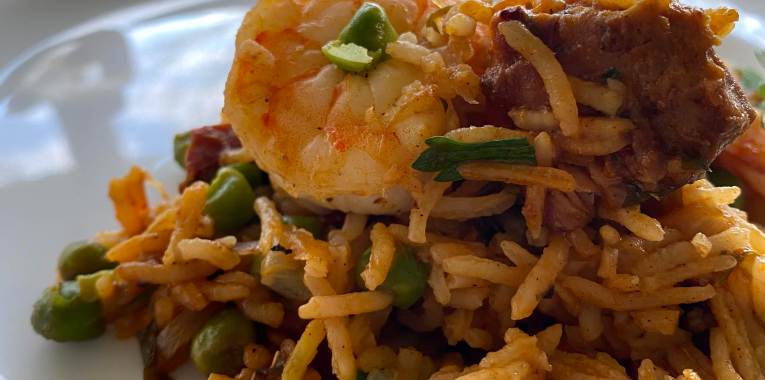
Last night’s experimental recipe was paella in an attempt to conjure the excitement and warmth of Barcelona in my Indiana kitchen.

I scorched it.

It was cooking beautifully. The onion, garlic, parsley, tomato mixture coating the rice kernels. I added the chicken and shrimp too early. The rice wasn’t cooked yet. In order to make up for the mistake, I decided to put a lid on it. Not a good idea. I couldn’t smell the burning that was happening on the bottom.

Yikes! Thankfully, I was able to lift most of rice out of the burnt layer. No roastie-toastie rice layer for me this time. Still good, still better than edible, but less than what it could have been with patience.

The point is: I rushed.

As much as I want to spend a day at a coffee shop quietly working and writing with others, rushing it will burn my paella, my people, what I’m trying to bloom and nurture. This impulse to rush threatens so much.

As we feel the impulse to rush towards each other, are we simply rushing out of discomfort?

We are only limited, finite humans plagued with blurry farsight and muted insight. Asking the big questions of food insecurity, climate change, health care, education, political representation is too overwhelming. Opening up businesses feels like a quick solution. Will opening up businesses and exposing people to the virus kill more people, or will social starvation from isolation kill more people? Death by interaction or isolation? If we have a choice, how many of us are we willing to sacrifice in the name of a return to “normalcy.”

I don’t know.

We are all uncomfortable with the physical isolation and worried. The collapse of the economy or the collapse of humanity, are these the same?

If this were a therapy session, I would say, “Let’s sit with this for a moment.”

With the paella, I made a mistake by rushing to return the meats to the pan. I needed to accept that, instead of trying to rush the rice too. I scorched a half of my pan, saved another half. I can’t afford to scorch half of humanity, just because I miss humanity.

I know I’m rambling. Nothing makes sense. Thank you for listening.

Sending you loving thoughts out there. Missing you,

Hungryphil

Here is the link to the paella recipe, modify as needed, just don’t rush 🙂

https://www.foodnetwork.com/recipes/tyler-florence/the-ultimate-paella-recipe-2117628

Inside/Out Self-awareness

If self-awareness is a journey, insights are the “aha” moments along the way. They’re the fuel powering the souped-up sports car on the highway of self-awareness: with them, we can step on the gas pedal; without them, we’re stranded on the side of the road.

Eurich, Tasha. Insight . Crown. Kindle Edition.

According to Tasha Eurich, we learn from “alarm clock” events, situations that challenge us with new roles, rules, losses, trauma, as well as small mundane insights. These, “aha” moments or “alarm clock” events are life opportunities to learn balancing inside and outside self-awareness.

Doesn’t sound pleasant at all! Who likes alarm clocks??

Covid-19 is certainly an alarm clock event, a window of time that confuses our perspective on ourselves. We infect each other, not only with viruses but with joy and sadness too.

What does this alarm clock wake me up to? That I am connected to my neighbors more intimately than I ever imagined, I am vulnerable yet capable, isolated yet not alone, that I decide who I am every moment, with every decision to go for a walk, wear a mask or not, cook at home, order out, buy meat, read a book or binge watch cooking shows. This is partly why I am exhausted. Self-awareness, constant balanced decision making is tiresome. Awareness of the framed window of existence that I am is exhausting. This alarm clock event interrupts false comforts of regularity and certainty. I don’t know the “new” pattern. None of us know.

Because I don’t know, I have to look outside myself. Reach out to you, for example, reading this right now, passing by my virtual window, even though you don’t know. Solidarity in loss.

If we were are all windows. How easy it would be to just close the shutters! How horrible it would be to miss out on the view, sunshine, moonlight, noise, breeze, reflection, and connection?

I know this self-awareness/social-awareness is a luxury.

I don’t know what I’m learning right now, sitting here social distancing on a beautiful sunny Sunday, but somehow I feel that I’m learning something important. I imagine you are too.

May learn we about ourselves together as the alarm clock buzzes,

Hungryphil

Life as a career

Life itself is your career, and your interaction with life is your most meaningful relationship. Everything else you’re doing is just focusing on a tiny subset of life in the attempt to give life some meaning. What actually gives life meaning is the willingness to live it. It isn’t any particular event; it’s the willingness to experience life’s events.

Singer, Michael A.. The Untethered Soul (p. 161). New Harbinger Publications. Kindle Edition.

Covid-19 has turned so many things upside down. The upside down, blurry vision sometimes offers glimpses of hidden perspectives. Like: since we can work from home, why were we “going” to work anyway? Why do 9-5 jobs exist? What is the relationship between time and purpose? Who do we shelter with, and potentially infect and are infected by? What are essential services? What is home when a social boundary as well as a retreat? What are we losing in this social distancing? What are we gaining? How do I connect to loved ones outside my bubble? How do I love from a distance? How do I have hope without expectations? How do I plan without hubris?

How do I show my willingness to live? How do I serve and do justice to life itself? How would I write my resume for a career in life?

The quote above reassures me that I don’t have to be anything. I just have to live life the best I can. Let life flow through me including all the questions, uncertainties and losses. It isn’t good or bad, its simply braving life, willfully.

Living well is an miraculous achievement.

Today I have eaten well, rested well, noticed my surrounding well, connected with those sheltering in place with me, I spoke, I shared, cooked and cooked, cleaned, contributed beyond my walls as best as I could. I did not change the world. I witnessed life lived in my tiny corner of the universe. That has to be enough.

I’ll admit, some days it feels easier to stay under the covers and hide from life.

We are all independent contractors invested in the career of life. We do better when we collaborate instead of compete.

Give yourself a performance review today. How do you rate your career in life ?

I wish you willingness to experience life’s events, beautiful and scary,

Hungyphil

Relief in Social Distancing?

My initial concern, as a counselor, with social distancing in this time of COVID-19 was the increased potential for social isolation.

I worry about the elderly, the children in abusive or unsafe homes, the victims of partner violence, the ones living alone, the ones sick or afraid.

One of my first remote sessions caused me to think a bit differently about our situation.

What if, social distancing allows for a moment of respite not only from the judgment of others, but also from self-expectations? What if, in sheltering in place, we allow ourselves the grace of non-productivity grounded in social caring?

For one client, anxiety and anger melted away over the past week of interrupted activity. No issues to report. Nothing to discuss. Just ease sitting on the couch and watching television.

How powerful is simply pausing and distancing.

Thinking of this self-imposed quarantine as a vacation instead of social rejection, isolation or imprisonment may help explain my client’s sense of ease.

Of course, many cannot afford times without work, travel, social interaction. With social distancing, how can we get food and shelter to those who need it? How will small businesses survive? How can people working hourly shifts, work? How can children learn and grow? How long can we distance for the sake of collective health? Can we continue this sense of solidarity from a distance when we are able to approach each other again?

Alongside these broad social questions, maybe an important spiritual lesson to slow down is being taught to us. Our lives depend on it. Maybe beyond threats of COVID-19.

How are you experiencing social distancing?

Is it a relief? a suffering? a break? a welcomed pause? an uncomfortable uncertainty? are you worried about your parents, family who may seem further away and more vulnerable? Are you playing more games with your kids? Eating more meals together?

Are you distancing the events on your calendar, softening expectations, shortening to-do lists? Are you able to hear yourself better as other move away? Are the voices that rumble “you are not doing enough” distancing too? Do you find yourself weirdly at ease?

I do.

Wishing you health and self-aware ease,

Hungryphil

How to host personal growth

“If I can create a relationship characterized on my part:

by a genuineness and transparency, in which I am my real feelings;

by a warm acceptance of and prizing of the other person as a separate individual:

by a sensitive ability to see his world and himself as he sees them;

Then the other individual in the relationship:

will experience and understand aspects of himself which previously he has repressed;

will become more similar to the person he would like to be;

will be more self-directing and self-confident;

will become more of a person, more unique and more self-expressive;

will be more understanding, more accepting of others;

will be able to cope with the problems of life more adequately and more comfortably.”

From On Becoming a Person by Carl Rogers (1961)

Achieving the transparency, acceptance and skill to see another’s point of view that can host self-actualization requires much more practice than I ever imagined. Philosophy had not prepared me for the pragmatic social work demands self-awareness as a necessary condition to help others. To the philosophical imperative to “know thyself” social work adds “so you can help others know themselves.”

Relentless self-assessment, self-care, self-awareness can be demanding. Carl Rogers working during mid-20th century tells us why this practice is the precondition to help another. This is the difference between service as pity and service as love. One make me feel “better than” while the latter makes me feel “better with.” It is a small but important distinction that requires constant cultivation.

What if I’m too afraid to be transparent with others? Isn’t easier to hide behind a facade of a professional distance? This way I don’t have to be human and vulnerable with a client, or ever…

Carl Roger’s client centered approach challenges me to questions:

“Can I be in someway which will be perceived by the other person as trustworthy, as dependable or consistent in some deep sense?

Can I be expressive enough as a person that what I am will be communicated unambiguously?

Can I let myself experience positive attitudes toward this other person — attitudes of warmth, caring, liking, interest, respect?

Can I be strong enough as a person to be separate from the other?

Can I step into his private world so completely that I lose all desire to evaluate or judge it?

Can I free him from the threat of external evaluation?”

Can I meet this other individual as a person who is in process of becoming, or will I be bound by his past and by my past?

If my past is equally implicated in the change process of another, doesn’t the others past also affect me? The philosophical insight of Carl Rogers’ work is that we are always becoming a person with others.

My subjectivity is conditioned by intersubjective experiences.

Social work is pragmatic philosophy. At least that’s my how and why I want to host personal growth, self-actualization, self-awareness.

How about you? How would you describe relationships that helped you grow?

Image from https://counsellingtutor.com/biography-of-carl-rogers/

Hungry Philosopher and Starving Artists

Imagine,

( you are good at that my artist and creative friends),

you walk into my counseling office.

You seat yourself in a red mid-century modern chair. No arm rests. You fold your hands on your lap and notice that you are sitting upright. You allow yourself to lean into the back support. You look around for clues to what might happen next: the white board, the desk, the pens, the walls, me across from you. Your eyes rest on the rug under your feet. I ask you…..

How do you feel about your art?

You are most welcome to share your thoughts in the comments below or just hold them gently in your heart.

Hungry philosophers and starving artists are always looking to fill themselves with meaning and beauty. How do you endure the uncertain tide of human feelings, starting with your own? How do you allow as Betye Saar says “creative grieving”?

Artist Betye Saar with a background that includes social work and design, my hero, talks about risking ridicule in efforts to raise universal consciousness and in dealing with personal emotions. I wonder how she would answer my soft question. In a way it maybe easier to talk about the role of art for society than the role of art for you or your relationship to your own art.

“I think the chanciest thing is to put spirituality in art,” Ms. Saar says as she gently shifts elements of the assemblage around, trying this combination and that. “Because people don’t understand it. Writers don’t know what to do with it. They’re scared of it, so they ignore it. But if there’s going to be any universal consciousness-raising, you have to deal with it, even though people will ridicule you.”

“And you have to deal with personal emotions, because they’re there,” she added. “I think people are afraid of those too. My younger sister’s husband died this year. I said to her, you’ve got to start making something beautiful. Beauty is a form of spirituality. Once you start making something with your hands, the healing starts. I call this creative grieving.”

– Betye Saar

Therapist for Artists, not Art Therapist

I studied architecture. I studied philosophy. As my studies of social work comes to an end, I find myself thinking about how I can combine my skills. I wonder if there are any models out there. If there are and you are reading this please comment below. For now this is how I feel….

“I don’t know who you are. I don’t know what you want. If you are looking for meaning I can tell you I don’t have answers, but what I do have are a very particular set of skills. Skills I have acquired over a very long career. Skills that make me a guide for people like you. If you find your own meaning now that’ll be the end of it. I will not look for you, I will not pursue you, but if you don’t, I will look for you, I will find you and I will find meaning with you.”
Hungryphil ( modified from Liam Neeson, Taken
)

My husband and I came up with this parallel. We thought it was funny for those of you familiar with the movie reference. I do have a very particular set of skills that verges on irrelevance. Yet, one that can be very useful to people who confront the seemingly meaningless everyday.

Why therapist for artists you might ask? What makes them different?

It is not so much that artists are different but they may be, in so many ways, avant-gardes of emotional ownership and expression. Artists struggle and transform their pain into material expression. They own and give trauma, life. Some can’t bear the process and fall. Others manage to integrate and map their maze of reality, dream, nightmare, hyper-reality, delusion and ecstasy. Some rely so much on their pain as a creative source that they rather remain depressed, enraged or erratic in order to feed their work. To be a therapist for artists, one has to respect the creative power of dark emotions. It is never about eliminating such powerful feelings. Rather the goal is to harness the power. Without this ability, either the artist dies or the art dies.

I admire the audacity of artists. I fear their invitation and vulnerability to dark emotions. I love art and self-expression. I love self-awareness more. As a therapist for artist, I need to “see” not only the artist as client but also their artwork as client. In essence, my therapeutic commitment must be to both: artist and artwork.

Only with this dedication would an artist trust me.

Show me your art, show me your heart, so I can help you see yourself at the center of all the chaos.

I’m sending this wish, to serve artists, out to the universe. May it guide me on this beautiful warm February Sunday and beyond.

It has been cold and dark for so long. I am so glad to see the sun and see the completion of another piece to my particular skill set.

With love,

Hungryphil