Chia Seed Pudding – The Art of Recipe Testing

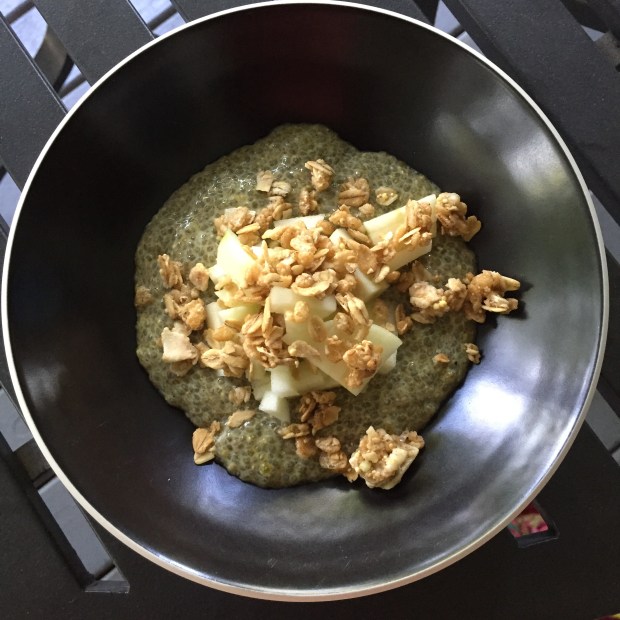
IMG_3572.JPG

This week one of my struggles included trying to recreate the recipe for turmeric and ginger chia seed pudding that I had in Breckenridge over the summer. I searched online to find a similar recipe and thankfully found many. My first task was sifting through all the recipes in order to find one that spoke to me. This exhausting search and rescue operation in this era of information overload is a tricky one. Most of the time I just give up and reach for a book or a trusted and vetted source. For this odd recipe, that was not an option. Partly because I wasn’t looking for an exact taste. I was looking for proportion and general direction. How much chia seed to add to how much liquid to yield a pudding consistency? Flavor is something I could play with and find with my own palate.

First try: Too much liquid, good taste. Too runny.

Second try: Unsweetened almond milk, too much turmeric, good thick consistency, wrong flavor.

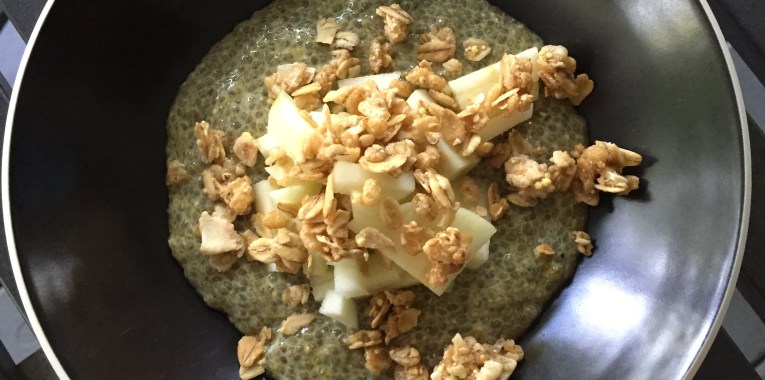
Third try: Getting closer to something healthy, filling and tasty for breakfast. Now to add the best combination of fruits and granola.

Hungryphil’s Morning Chia Seed Pudding

  • 1 cup chia seeds (course ground in coffee grinder)
  • 4 cups sweetened almond milk
  • 3 tablespoons agave nectar
  • 1 teaspoon of a mix of ground cinnamon and cardamom
  • 1/2 teaspoon turmeric (and a pinch of black pepper to help bring out its goodness)
  • 1/4 teaspoon ground ginger
  • 1 teaspoon rose water

Mix together with a whisk. Set overnight in the refrigerator. Serve with toppings of fresh fruit for brightness and granola for crunch.

I can see why conventional recipe testing wisdom dictates at least three. It was a philosophical task for me to notice these small differences in quantity or procedure that affect the overall taste and makes something different. It made me aware of the pungent bitter power of turmeric, the heat of ginger, the viscosity of blooming chia seeds, the lightness of almond milk, the notes of cinnamon, cardamom and rose water that sing over the soft sweetness of agave nectar. It is not the best thing I’ve ever tasted but it feels good to eat on mornings when chewing seems like such a chore. It brings me back to being on vacation, exploring coffee places in the morning with my nieces, and finding something odd and nourishing together. Am I recreating the emotional memory or the physical taste? Like most of what I cook,  I suspect both.

Here is another recipe that looks promising. The  yellow turmeric makes it soothing for the third  solar plexus chakra (Manipura). My yogi friend Debra talks about the chakras in her blog unfold-yoga.

My recipe is still a work in progress but I am happy with the basic consistency and flavor. My dancingtiya approves. Try it, tweak it and make it your own. Notice the details on the way.

Wishing you all a fulfilling bright and yellow weekend,

Hungryphil
IMG_3602 2


Golden ‘Om’elette

Recently I’ve been hearing a lot about the magical anti-inflammatory benefits of Tumeric.  I feel like a childhood friend has suddenly found celebrity. A spice used so regularly in the South Asian kitchen that it is sadly like salt, easily overlooked.  I caught myself searching for recipes online for Tumeric uses that included golden milk and turmeric tea…as I silently muttered “ewwwww,” I asked myself,  “why am I looking for recipes online anyway when almost any curry I cook involves Tumeric!” Maybe I just needed a new way to look at and use it. Most online recipes seem to suggest that black pepper is needed for better absorption of Tumeric, while ginger and coconut oil is also included in some recipes. So I devised a light lunch recipe for myself using these ingredients. I call it my Golden ‘om’elette.

IMG_3025

Here is what I did:

  • 1 egg white

  • 1/4 teaspoon Tumeric powder

  • 1/4 teaspoon ginger paste

  • Black pepper to taste

  • Salt to taste taste

  • Beat together. Fry the mixture in a teaspoon of coconut oil. Add a tablespoon of white rice (or brown rice, vegetables, quinoa, anything…or nothing) as a filling and roll the omelette.

The omelette has a curry-like flavor, bite of ginger and black pepper. You could dip a piece of bread in the mixture and make a savory french toast. You can always tweak the amounts, add and omit to your taste. The point is that there is no single way to use a spice. I want to enjoy turmeric, not gulp it down like medicine. Find the way that works for you. This might be a tasty option for me when I feel the need for turmeric’s cleansing and calming magic. Next time, I’d like to add red chili and cilantro too. I love those Iron Chef episodes dedicated to a single ingredient or spice. It forces cooks to think of creative ways to use the familiar and accepted. If you enjoy golden milk, go for it, but don’t feel that is the only way to add spice to your diet. I need to follow my own advice and use familiar and unfamiliar spices in new ways, like Chinese five spice, Berbere, Ras-el-Hanout, Sumac and Tumeric. Sounds like a fun cooking and thought experiment!

For now, I’m waiting for the magic to work and be cured of all that ails me. I may have to wait for a while. Stand-by.


Testing The Essential Wok Cookbook

IMG_2605

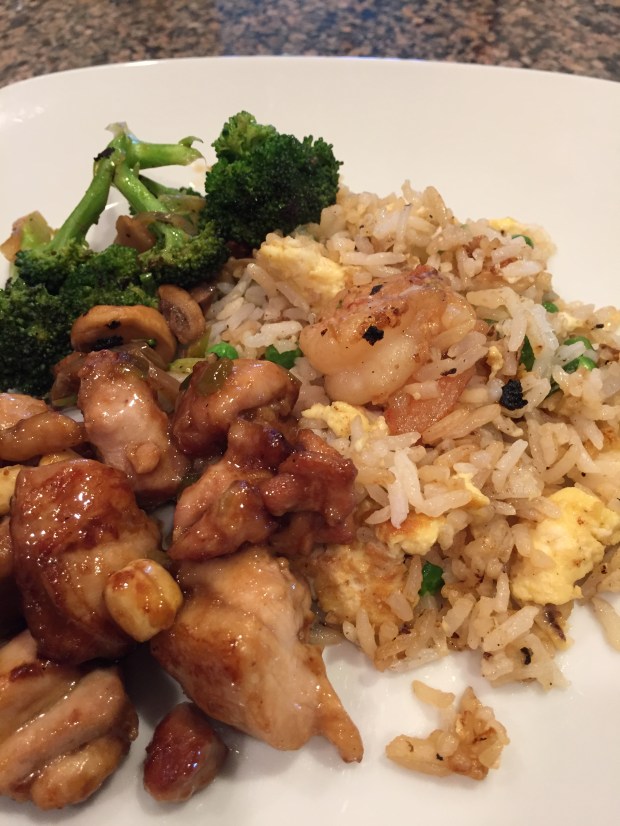
Last week we tested and tasted recipes from the Essential Wok Cookbook by  Naomi Imatome-Yun.   Shrimp Fried Rice, Kung Pao Chicken and Wok Seared Broccoli. I learned that buying a bottle of Chinese cooking wine and Szechuan peppercorns are worth the very small investment. The recipes were easy to follow and offered substitutions for special ingredients like balsamic for Chinese black vinegar. We were happy with all the dishes. Kung Pao is one of my favorites and I was so happy to be able to make it at home. Maybe next time I’ll try it with Shrimp and mushrooms.  A few simple tricks surprised me, like orange juice in the broccoli.

Chocolate Fudge Pie

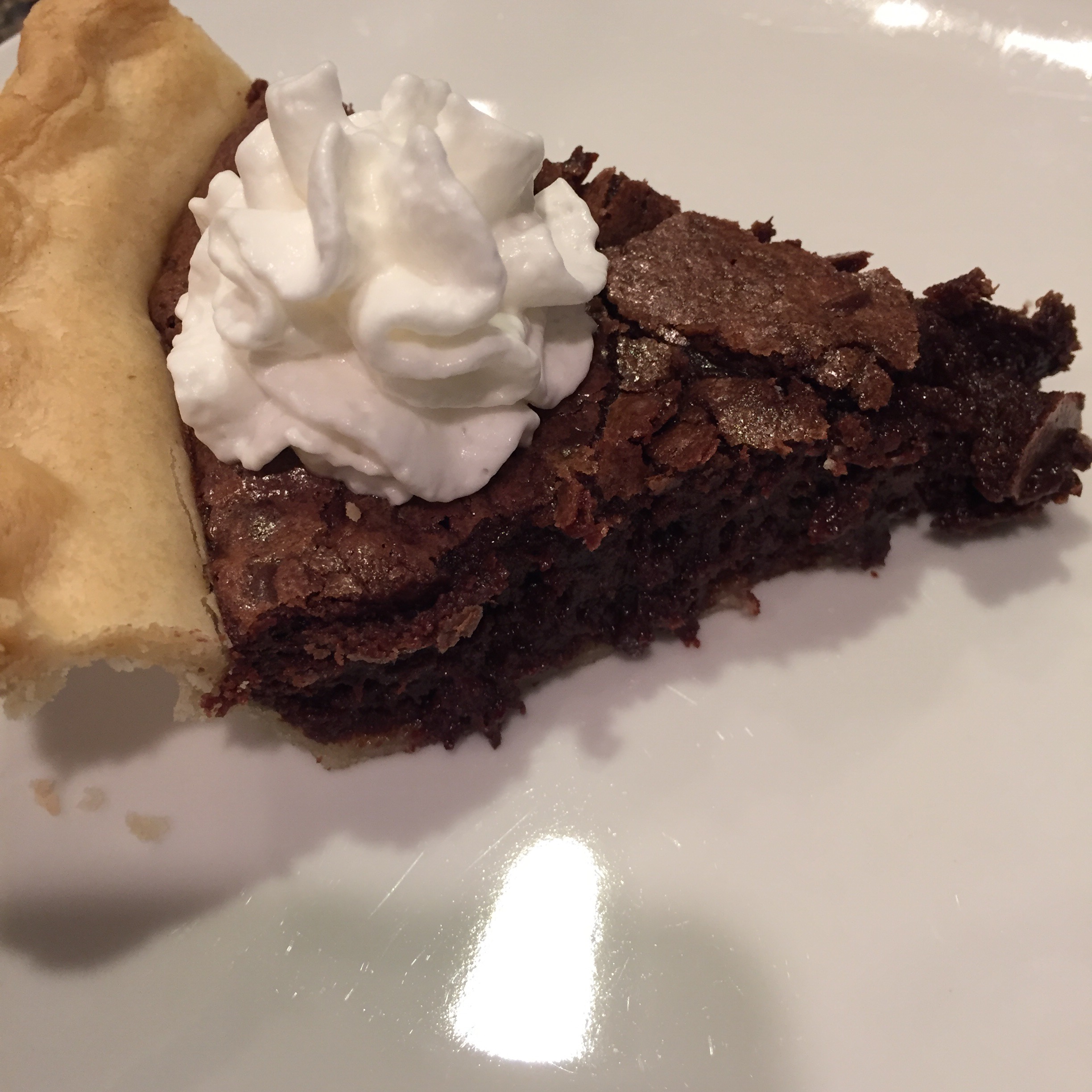
This is totally unrelated to the Wok Cook Book but still worth mentioning. I’ve tried this before and I think I may have cooked it too long in the past. This time, I took out the pie right at 30 minutes while still soft at the center and it was perfect. Once cooled and set, the chocolate was a perfectly melty- without falling apart. The recipe comes from Tricia’s Fantastic Fudge Pie. Definitely, add the chocolate chips that the recipe says are optional.

We also made Swedish Meatballs with Lingonberry jam, buttered egg noodles and green beans. No pictures. Totally forgot. The meatballs were held together by bread crumbs made from the ends of the bread used for  homeless shelter Sandwiches last week. The sauted and softened onions give the meatballs a gentle sweetness. The sourcream in the otherwise simple gravy adds tang and body. Here is the Swedish Meatball recipe. I have a whole bunch of bread crumbs left. Ideas?

Wishing you all a delicious week ahead,

Hungryphil

Beef Nehari and Paratha

Dear vegetarian and healthy eating friends, please stop reading.

I confess, bone marrow is delicious….. incredibly luxurious and surprisingly under-appreciated. We got two very large beef bones, cut up into six, 3-inch pieces for about $5. I wanted to try making a spiced beef bone soup tradionally sopped up with warm naan or hearty bread.

IMG_2458

Beef Nehari

  1. I had 3lbs of bones and 1 lb of meat. Brown. Set aside.
  2. Saute 1 cup of sliced onions in the beef browning oil.
  3. Add…1 tablespoon of ginger paste, 1 teaspoon of black cumin (Shah Jeera), 1 cinnamon stick, 4 cardamom pods, 3 cloves. Saute until fragrant. (add whatever spices you prefer to flavor your soup)..I think Chinese five spice would be good too.
  4. Add the bones back. Add enough water to cover the bones.
  5. Simmer for 2 hours. Add salt and pepper.
  6. Simmer for another hour or two until the meat relaxes and tenderizes.
  7. Sprinkle red chilies and cilantro. Serve with Naan, Paratha or any flat bread.

The paratha recipe is a bit trickier to explain. A lot of it is about “feeling” the gluten develop. I used bread flour and my parathas turned out denser than usual…less light, flaky…flattened croissant texture that I like. My grandmother was a master at this. Watching her make these buttery flatbreads was mesmerizing.

IMG_2457

This is the point where the bread is rolled out, ghee is applied and the dough is rolled up into these rosettes to be flattened…and rolled out again. This process gives the bread its flaky layers.

IMG_2459

The fried eggplant on the right bottom of the image turned out to be bitter. Oh well. The cucumber, tomato, cilantro, shallot and vinegar salad helped balance the rich bone soup.

With the leftover spicy beef broth, I’m planning to make a rice pilaf. I imagine it will taste close to a biriyani. Maybe add some peas and serve it with a cool cucumber yogurt raita.

Good for a cold winter day and shared with a crowd.

Looking forward to the end of winter,

Hungryphil


Two Minute Chocolate Cake tastes like …

…well, two minute chocolate cake. Good for a chocolate craving emergency. I used the Lucky Peach Magazine recipe Here. I had white chocolate chips instead of chocolate chips but that should not have affected the cake consistency. Good doused in ice-cream but still a bit odd and chewy. Try it for yourself and let me know. Maybe the microwave is to blame. Baked the two minute batter in a 350 oven for half an hour. Still, good flavor, strange texture. Fun to watch erupt in the microwave.

IMG_2152 IMG_2151 IMG_2150 IMG_2149

What constitutes a failed recipe?

  1. When the end product following the guidelines does not correspond to the image or expectation?
  2. When the instructions are not followed or understood?
  3. When the instructions are not clear?

Recipes are an odd conceptual category between practical instruction and theoretical consistency. The material threat of subverting conceptual clarity as any humble cook knows is very high. Altitude, humidity, quality of ingredients, interaction of ingredients, measurement discrepancies, tools used, water quality, everything contributes the supposed success of the recipe (not to mention subjective tastes). Recipes should be used as a list and an ontographic map towards a particular gastronomic experience that someone else found. If we want to reach the same destination, we need to follow the directions as best we can. We can never know if we arrived at the exact taste location (unless we are recreating a known or familial taste). Good recipes give us skills that take us to different related places, like my favorite zucchini bread or chocolate chip cookie recipe. How you relate to recipes is a philosophical preference. Do you nervously follow every detail, blame the recipe if it doesn’t meet expectation, blame yourself and accuse your skill level, blame the ingredients?  A lot of anxiety related to cooking comes from relinquishing too much power to the recipe.

I enjoy trying recipes and watching the process of either supposed success or failure. I say “try” because I rarely exactly follow a recipe. Here is another experiment from the weekend that I would say was a success.  The pancake recipe from Southern Living advised not to beat the ingredients vigorously together with an image that showed very lumpy batter and gave instructions on when to flip the pancake.

“Cook the pancakes 3-4 minutes or until tops are covered with bubbles and edges look dry and cooked.”

This is a good example of object oriented material thinking. It is not only a measure of time but an assessment of how the ingredients are reacting together. Even with these gentle guidelines, I found it tricky to modulate the heat of my cast iron pan so that the bubbles would form just in time the edges and bottom turned golden, not burnt. Some batches were better than others. Ironically, the first two (usually the worst) were the best. Delicious pancakes. Fluffy, flavorful, buttery…oh yes…very buttery, crispy edges. Thank you, Southern Living recipe writer and tester.

IMG_2148 IMG_2147

Then there are delicious dishes that need no recipe, no introduction. Just yummy. Ugly maybe, but so yummy, like my fried egg with bread, marscapone and raspberry jelly. Just dip and enjoy. Or Brie and jam baked in puff pasty. Gooey melting cheese that lazily spills out of flaky pastry. Puff pastry makes everything decadent and as Atiya would say, regal.

IMG_2153IMG_2154

That’s my weekend report. It was delicious.

Next time you cook, call it an experiment in material philosophy.  Notice how you feel and make decisions when things work and when they don’t. Then, come back and share your experiences here with other hungryphilosophers. No judgment, just awareness.

Wishing you a wonderful and delicious weekend ahead,

Hungphil

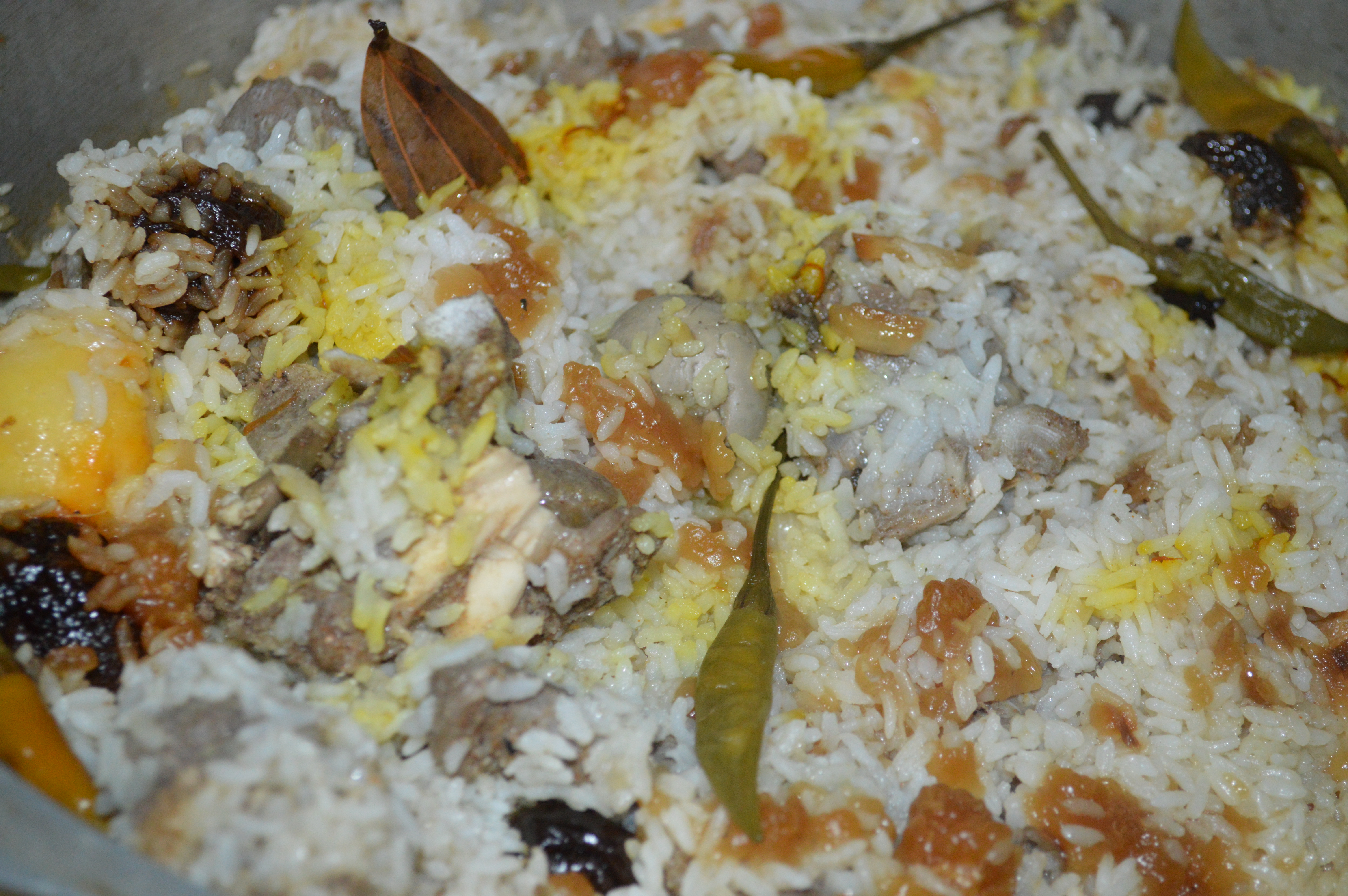
Ma’s Kachchi Biriyani

DSC_0277

In a previous post entitled “Bored with Biriyani” I had mentioned this dish. Here is my mom’s version of the classic Biriyani. https://hungryphil.com/2014/06/05/bored-with-biryani/

2 lbs goat meat

1 cup yogurt

1TBS ginger

1TBS garlic

1TSP red chili powder

¼ TSP nutmeg

¼ TSP mace

½ TSP white pepper

1 TSP Fennel Seeds

1 TSP Postodana or white poppy seeds

1 TSP salt

8 small whole red potatoes

2 cups sliced shallots (onion) fried in ¾ cup ghee

½ cup combination of pistachios and almonds sliced

1 TBS saffron

¼ cup rose water

6 cups Basmati or Chinigura rice

4 cardamoms

2 sticks of cinnamon

1 bay leaf

½ cup prunes

½ cup dried apricots

Raisins

½ cup milk

½ cup “khoa”, dried milk

Red or Green fresh Chilies

* The key to this recipe is a large pot with a tight fitted lid!

1. Marinate (one hour to overnight) goat meat in yogurt and a grounded mixture of ginger, garlic, chili, nutmeg, mace, pepper, fennel, postodana, salt.

DSC_0261

2. Boil potatoes until halfway cooked. Fry lightly in oil until roasted. Red coloring can be added.

DSC_0262

3. Soak the dried fruit (prunes and apricots) in milk.

DSC_0271

4. Soak saffron in rose water.

5. Fry onions and nuts and raisins until golden in ghee.

6. Boil rice until half cooked in 12 cups of water, cinnamon and cardamom, bay leaf and 2 teaspoons salt.

DSC_0263

7. Add strained rice to meat (reserve the water) mix.

DSC_0265

Add fried potatoes, Add fried onions and nuts and the ghee (reserve a bit for garnish)…….mix gently.

DSC_0268

DSC_0270

DSC_0272

Add dried fruit and milk….mix gently.

Add ½ saffron and rose water (reserve other half)

Add dried milk powder or mawa

Add reserved water

8. Simmer gently in a tight fitted heavy pot until the liquid evaporates, rice and meat is cooked.

DSC_0278

9. Garnish with green chilies, fried onions and remaining saffron water.

DSC_0279

Serve with salad, achar/ pickles or raita.

DSC_0280