My Three Rices

IMG_2416.JPG

In my pantry I have a large plastic bin with three bags of rice. I remember, Jim’s surprise, a reluctant rice eater at the time, the first time I brought a 20 pound bag of rice home. Regardless of whether I eat rice everyday, I NEED rice in the pantry. Sure, I also have small bags of brown rice and black rice, along with couscous, quinoa, polenta and other grains. But, white rice is my comfortable default.

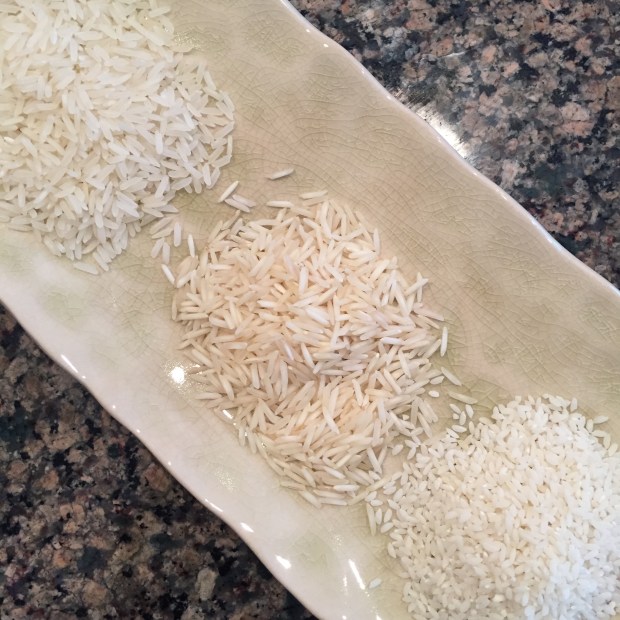
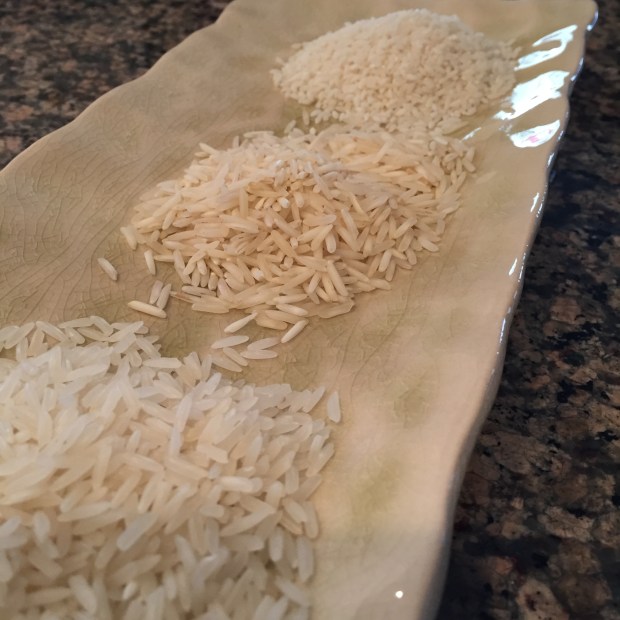
There are three specific types of rice in my bin: Thai Jasmine, Indian Basmati and Bangladeshi Chinigura or Kalee Jeera. Each kind meets a different emotional register. The first, top left of the image, Jasmine rice is bright and has an almost floral scent. Soft and sticky it is easy to eat with my hand. It reminds me of forming tiny curry flavored rice bites and hand feeding my girls when they were little.  The gentle rice is a gracious host for robust Asian currries and stirfrys .

The second and middle pile, is Basmati. With long elegant grains, it has a nutty, warm taste. Best sauteed in ghee and spices, Basmati makes the best pilafs. Fork friendly and fluffy it is the ideal introductory rice served across Indian restaurants in the world. Cooked with strong cumin seeds, cardamom and cinnamon, Basmati doesn’t loose it’s texture or nutty flavor. Perfect with South Asian and Middle Eastern flavors.

The third (lower right in the image) rice, Kali Jeera or Chini-gura, is a small grain Bangladeshi rice. The tiny kernels are strong like Basmati and flavor-wise gentle like Jasmine. Good to eat with my hand or my fork. Just as fantastic in a fragrant Biriyani, as it is as a plain boiled rice with a light curry. I have used it for dessert, baby food and festive food. The only reason I don’t use it everyday is because it is expensive, sometimes not so easy to find and so very special.

For me, these three rices map my taste buds that range across Asia and the Middle East.

What is your preferred rice?
 

IMG_2417.JPG

Mapping Roasted Chicken, Big Mac and Rice Relations

51Muy3NeWxL._SY344_BO1,204,203,200_-1

Philosopher Levi Bryant’s Onto-Cartography: An Ontology of Machines and Media presents us with multiple examples of how things (machines) exercise power over us and the world. Here are three food examples from the book:

We go to the grocer and buy a roasted chicken, believing that there is nothing social about this relation insofar as it is simply a relation between us and the chicken. Yet the commodity embodies an entire set of social relations that are the medium of the chicken, insofar as it was produced by people under certain conditions, within a particular legal system, within a particular network of distribution, and so on. As Deleuze and Guattari remark, “….we cannot tell from the mere taste of wheat who grew it; the product gives us no hint as to the system and the relations of production. The “mediasphere” of the chicken and wheat is veiled in the thing withdrawn from view.

What would a map of all the hidden relations in my grocery cart look like? I imagine quite a complex web. Here’s another familiar  and branded example,

When for example, I eat a Big Mac, I think I am involved in a purely cultural affair that has nothing to do with nature. In analyzing the Big Mac, the cultural theorist might discuss how what I’m really eating is “signifiers,” examining how this sandwich is a marker of national identity, class, symbolic position, and so on. What is not examined is how the Big Mac is related to the clearing of Amazonian rain forests for bovine grazing, and all of the material outputs produced in transporting the meat, processing it cooking it and consuming it. The Big Mac is thought of as something unrelated to these issues of relevance to climate change and ecology.

Like my grocery cart, what if I were to map my dinner plate. Where my ingredients came from, supermarket it came from, how much energy to took to cook, how long of my time and much of my space, how the ingredients affect my health, how much I waste, the role of my garbage man in carrying the waste away, the plumbing system that allowed me to wash my ingredients, the factories that produced the knives, pots and pans, how I found my recipes online, the network of foodies, cooks, eaters online, the taste, ……what a complex map my dinner is unfolding into. The next example, demonstrates how rice is an example of a bright object that has the directive power to organize and influence us and our world.

Rice is yet another example of a bright object. The rate at which it develops, how it is planted, how it is harvested, the number of times it can be harvested a year, all contribute strongly to the organization of people’s lives that rely on rice. These properties of rice influence the sort of labor people engage in, the tools that they fabricate, their bodily postures, how their bodies develop as a function of rice heavy diets, the sorts of social relations that develop between people, and feast and famine as a result of weather vents that affect harvests or diseases that befall plants. Once the technology or practices are developed allowing  rice to be planted in water, new problems emerge. Harvest sizes are increased through these new planting methods, but the water in which the rice is planted also becomes a nest for diseases. Now these diseases must be dealt with. Rice organizes the space-time of these people’s lives, especially before the advent of robust international trade and things like supermarkets. It organizes the rhythm of days, when things are done, how long they’re done, cooking methods, and variety of other things besides.

The book is a fantastic example of an object oriented approach to thinking about our world. I look forward to re-reading, highlighting, noting, pondering over these and other moments. Hope you do too.

DHUA’S CHICKEN PULAO (American Kitchen Update)

DSC_0159

Chicken                   1

Yogurt                      ¼ cup

Onion Puree         2 tbs

Ginger Paste         1 tbs

Garlic Paste           1 tsp

Mace                         ¼ tsp

Nutmeg                   ¼ tsp

Salt                            1 tsp

Cardamom             3 or 4

Cinnamon              ½ inch stick

Bay leaf                    1

Shan Morog Pulao or Biriyani spice 1 tsp

Dried Plum/ Prunes          6 or 7

Butter / Ghee       4 tbs

Eggs                          6

Potatoes                  4

Onions/Shallots    1 cup (sliced and fried)

Saffron                     1 tsp

Rose Water            1 tbs

Vinegar                    1 tsp

Rice                           2 ½ cups

Green chilies            7/8

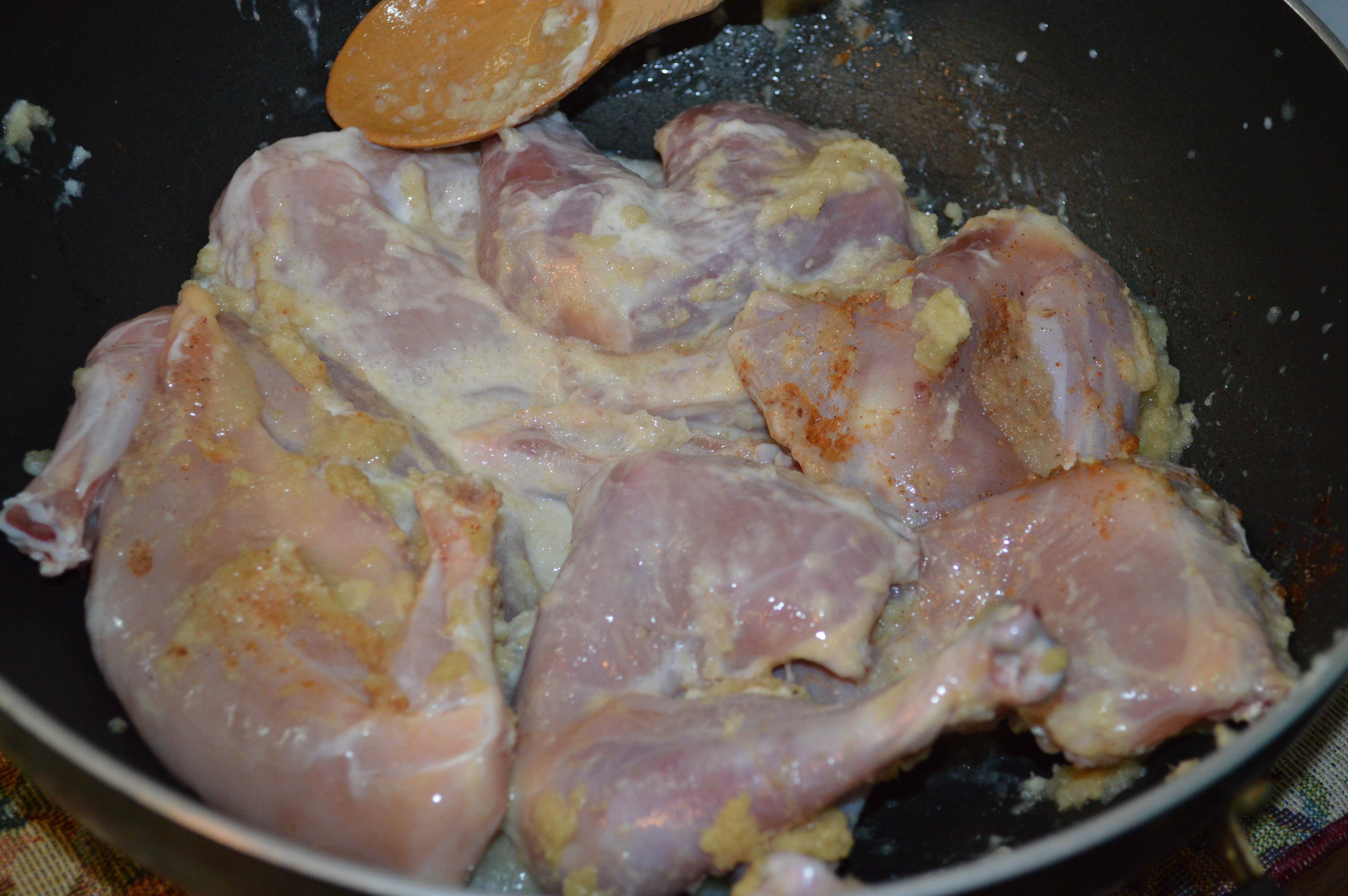
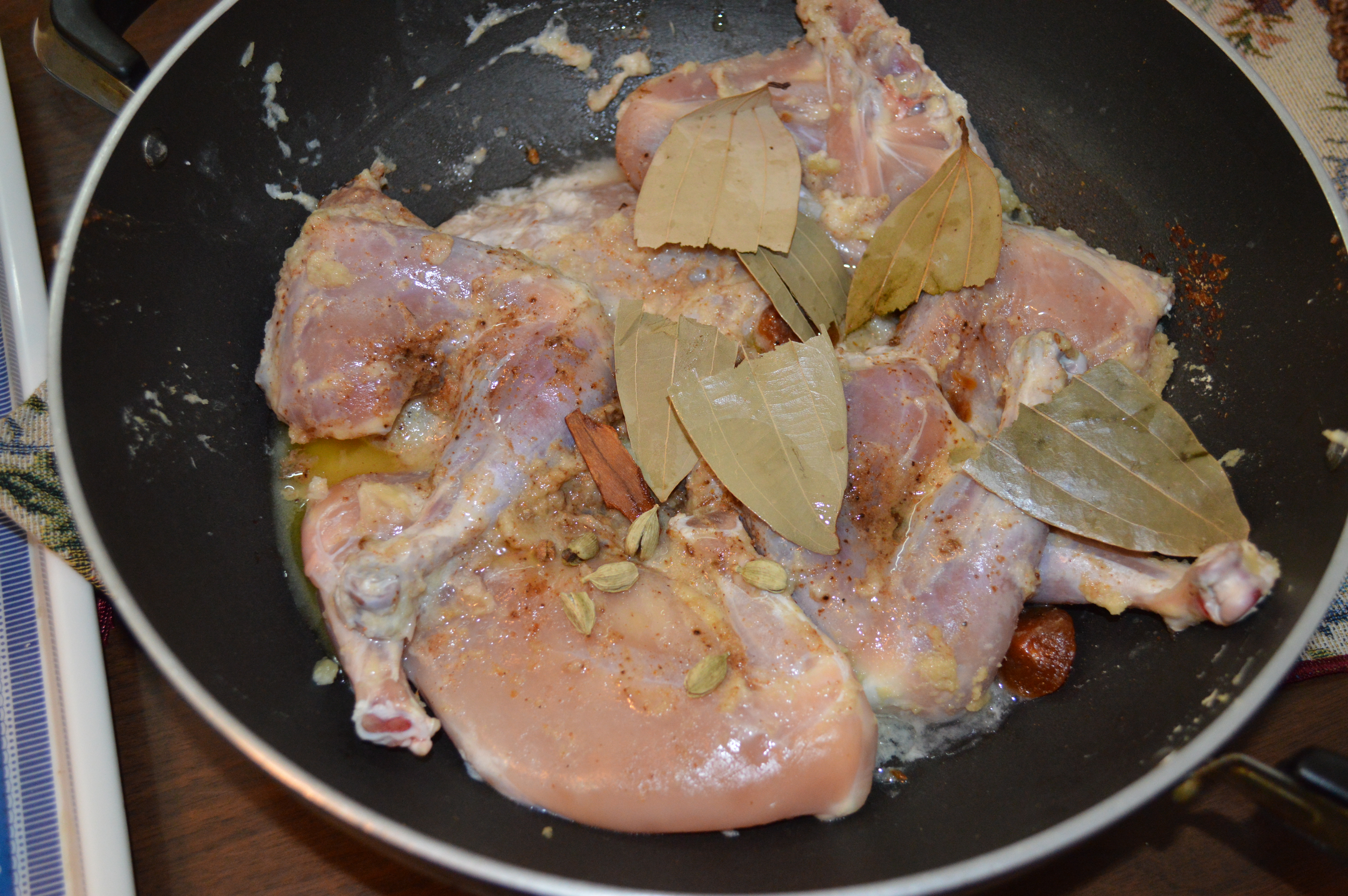
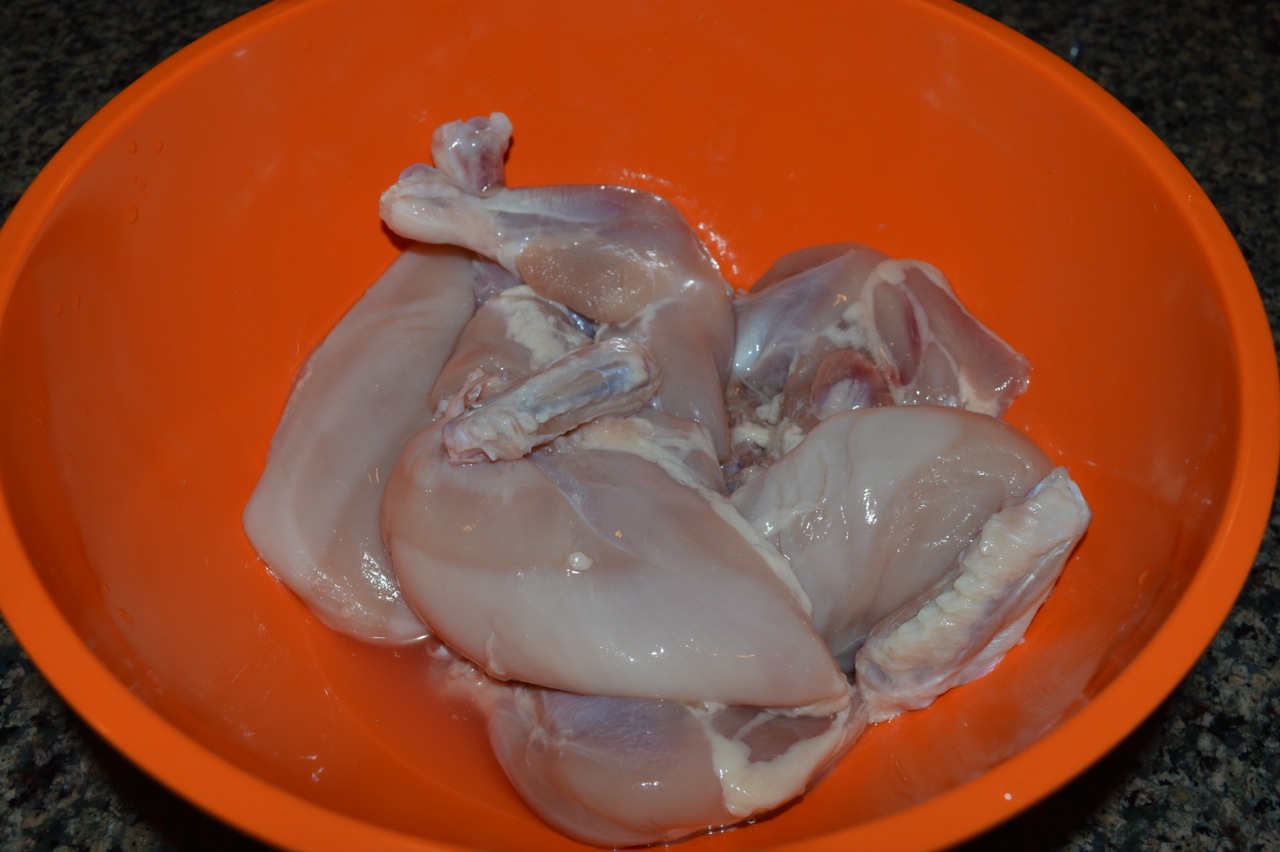
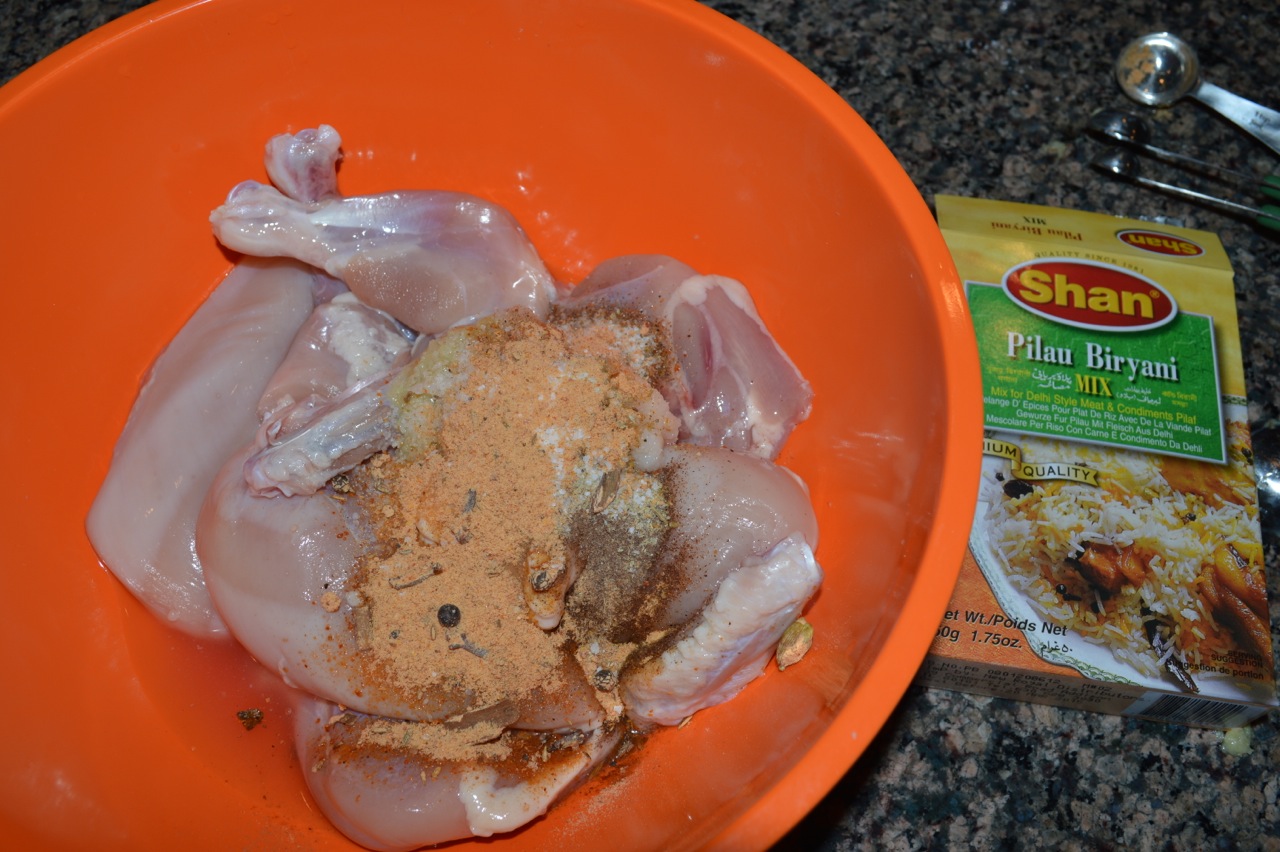
1. Quarter chicken and marinate at least half an hour in yogurt, onion, ginger, garlic, mace, nutmeg, cardamom, cinnamon, bayleaf, plums, Shan Biriyani spice and 1 tablespoon ghee.

DSC_0124

DSC_0112

DSC_0113

DSC_0115

DSC_0118

DSC_0128

2. Soak saffron in rose water.

DSC_0121

DSC_0122

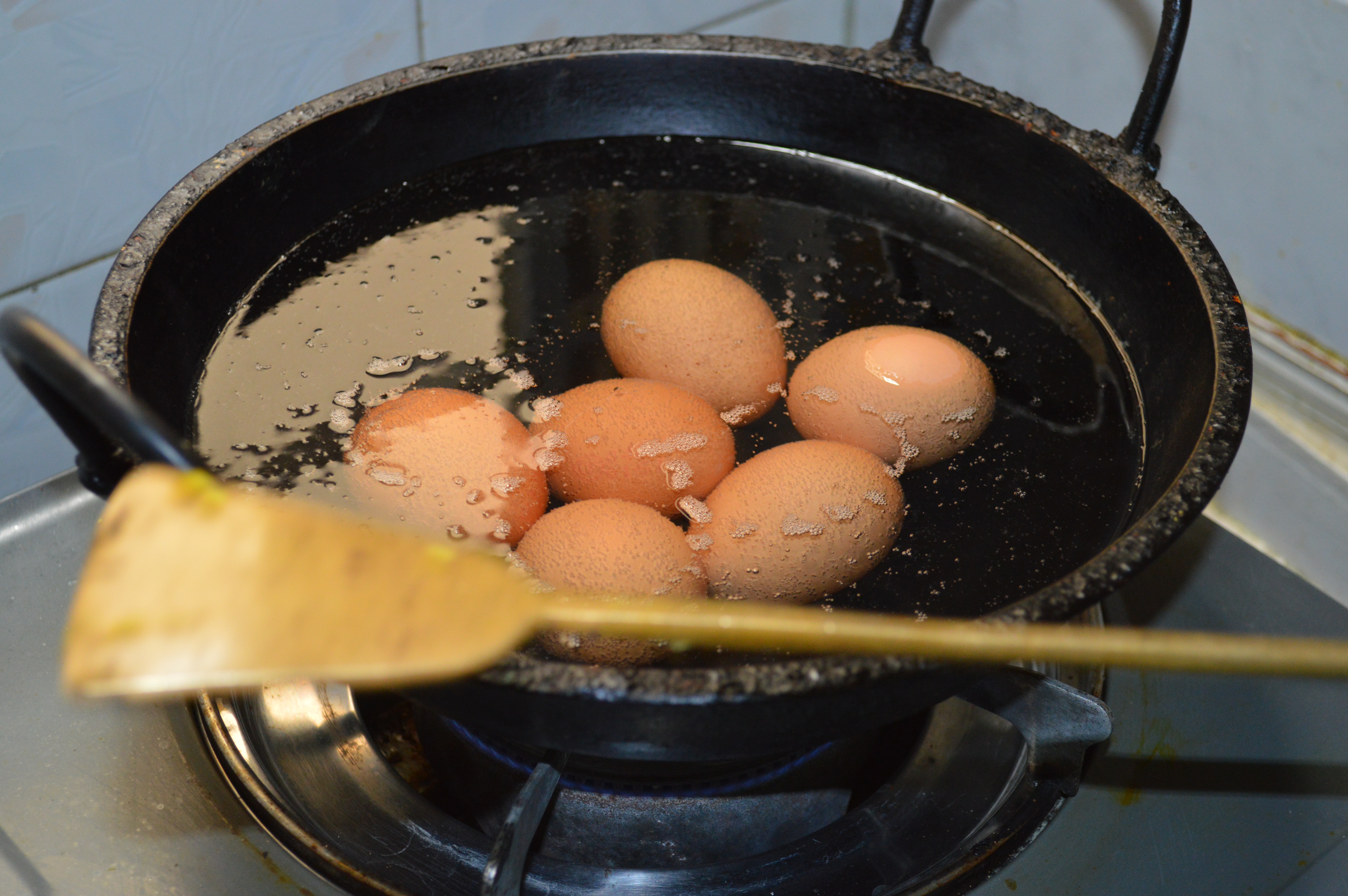
3. Half potatoes. Boil potatoes and eggs.

DSC_0119

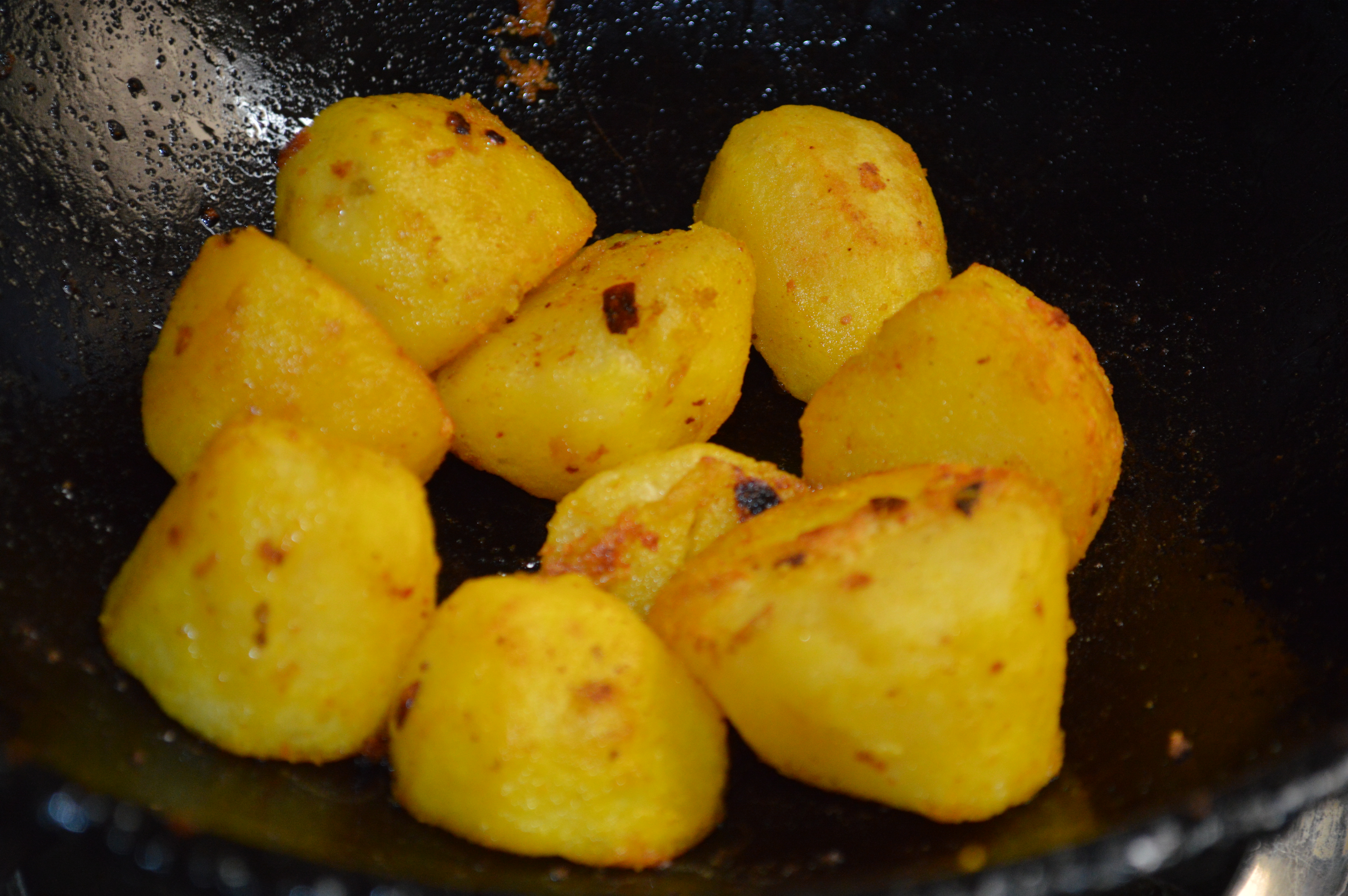
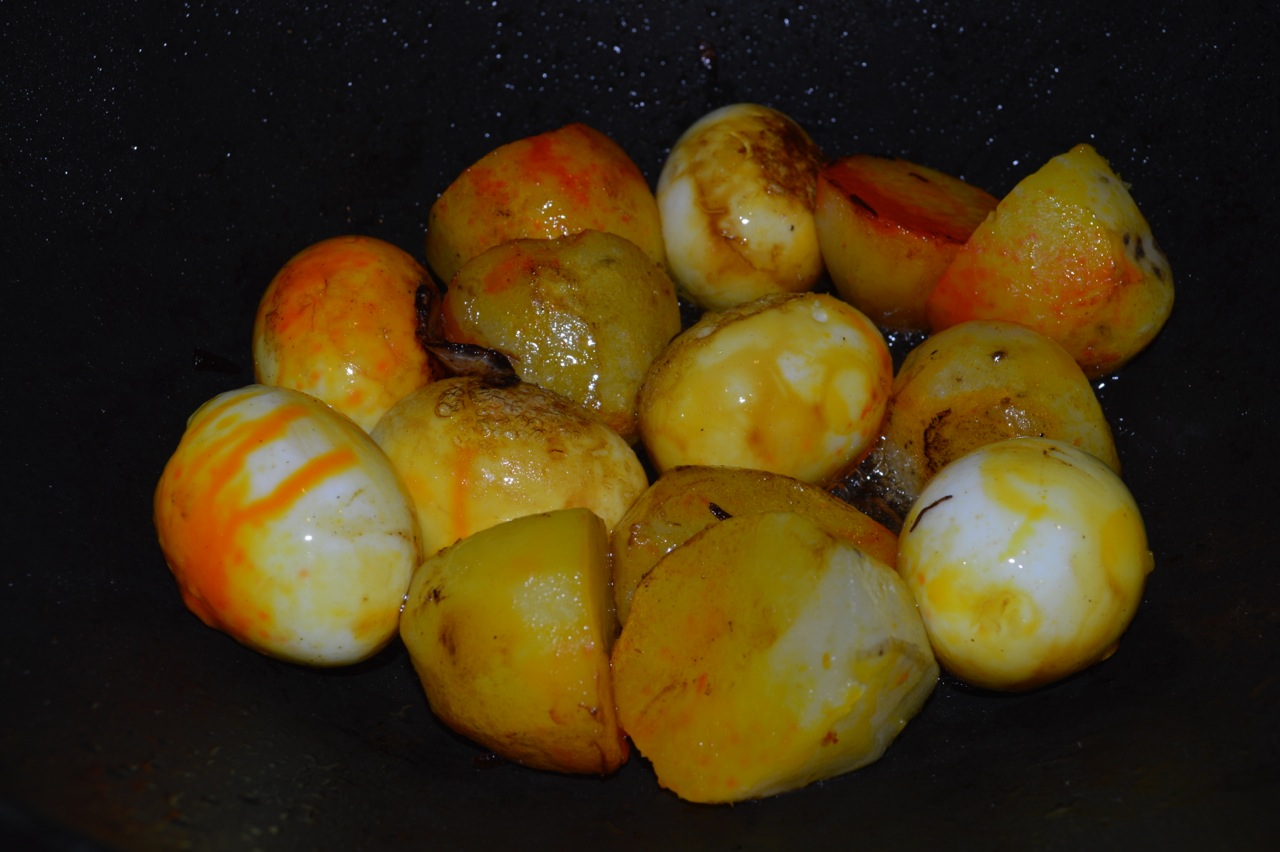
4. Lightly fry eggs and potatoes (add yellow coloring, if desired)

DSC_0133

DSC_0137

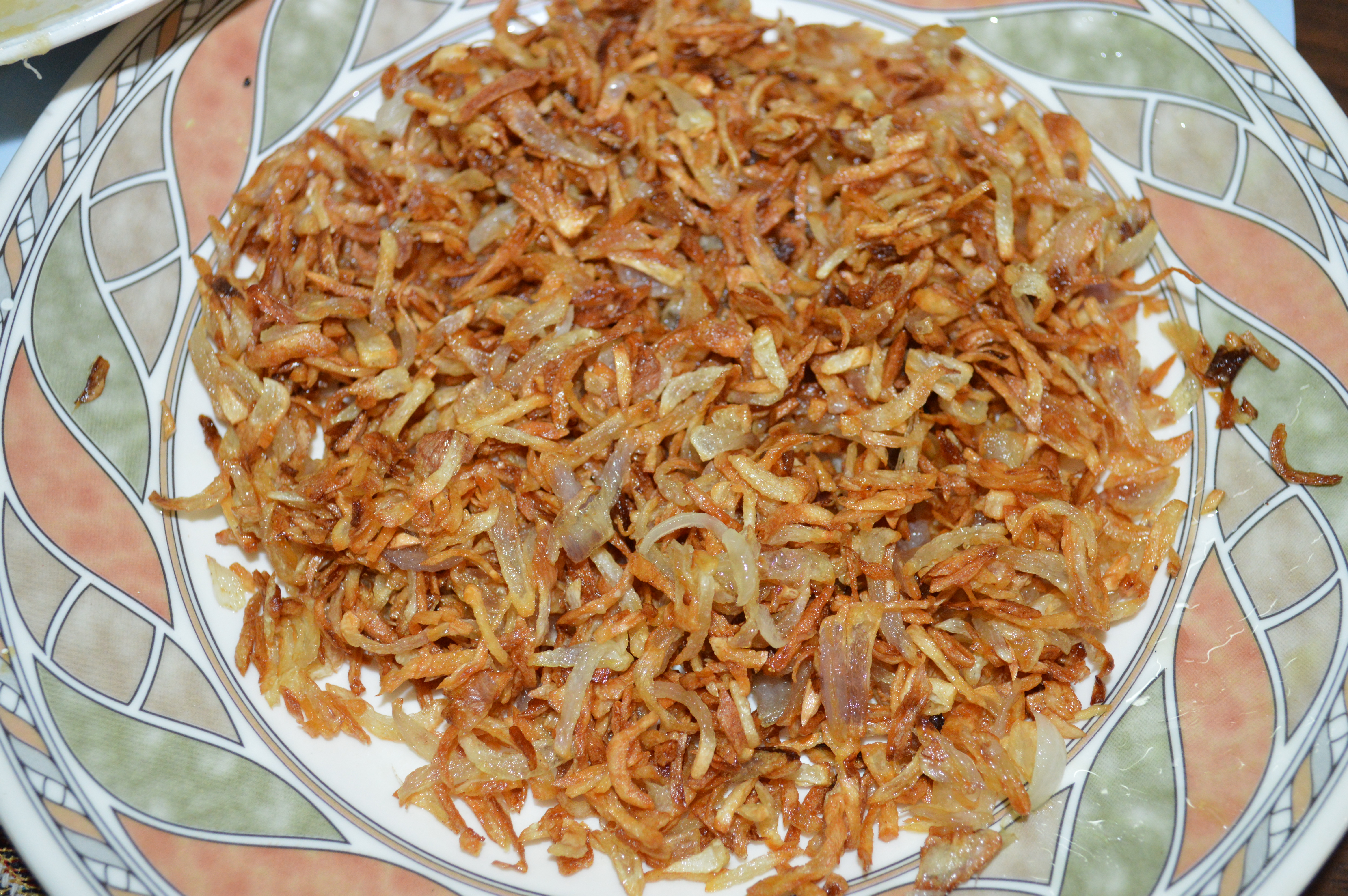
5. Fry onions or shallots until golden brown. Reserve a portion of fried onions for garnish.

DSC_0132

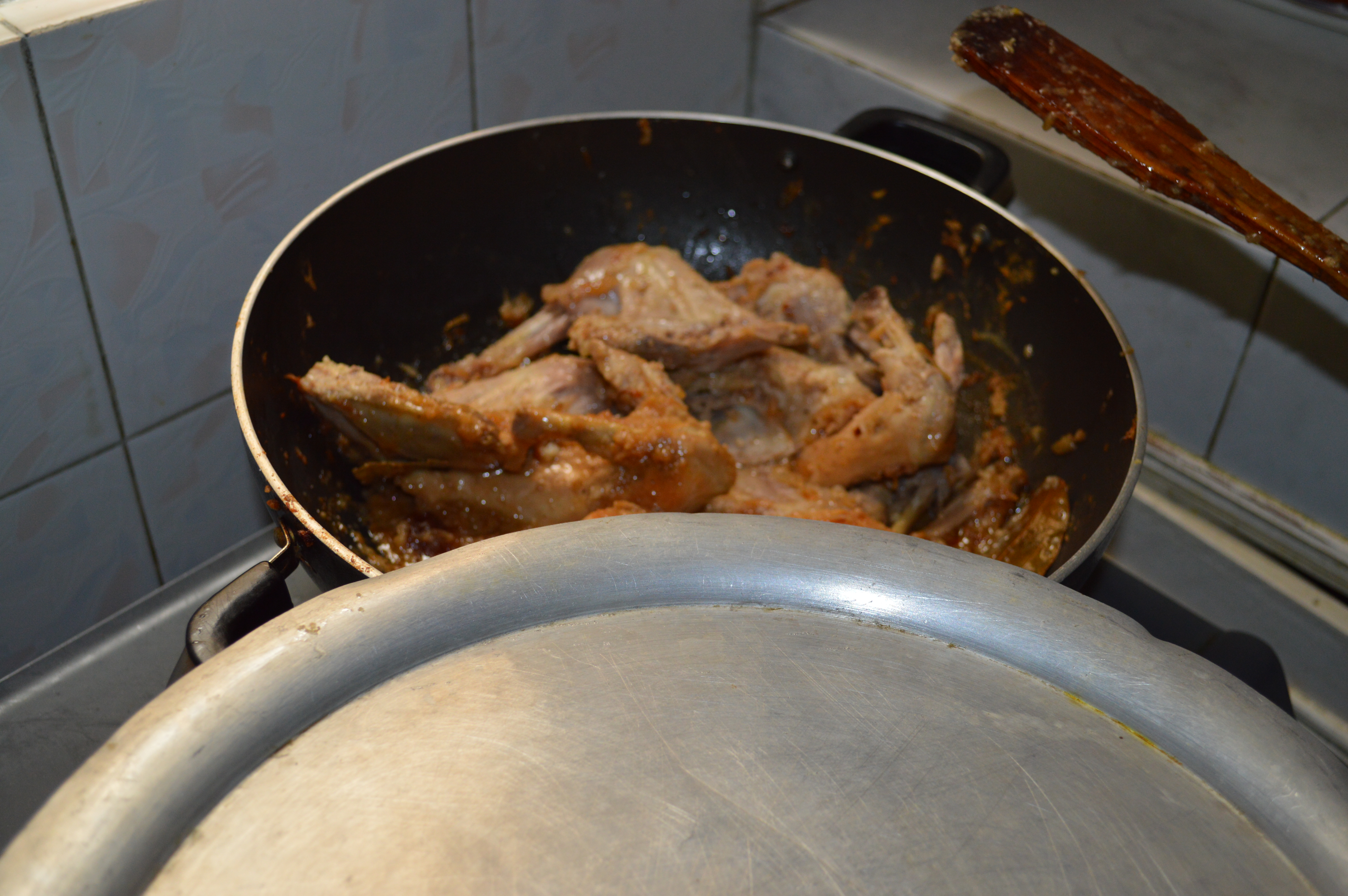
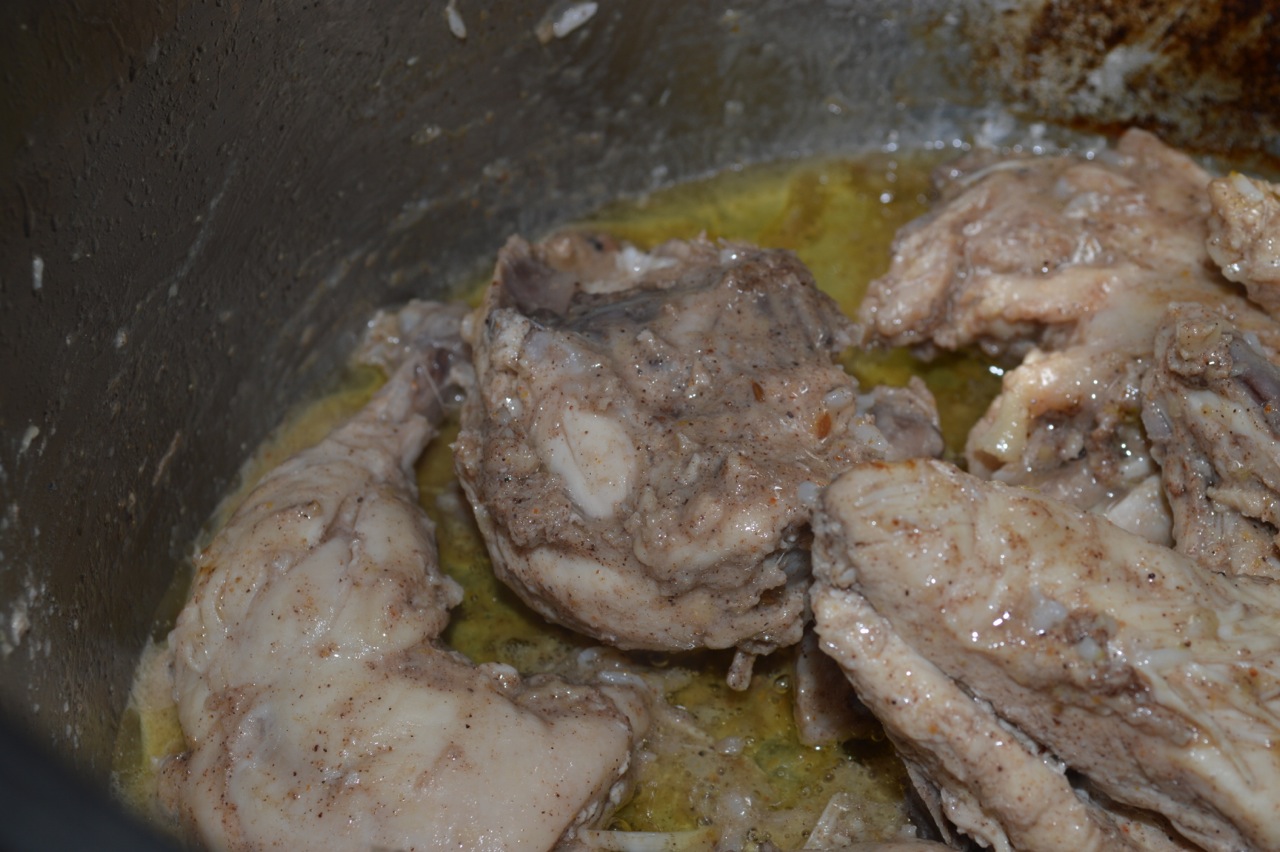
6. Add  1 tsp vinegar and another tbs ghee to marinated chicken and simmer for 20 minutes until liquid is reduced. Add ½ tsp sugar.

DSC_0143

DSC_0148

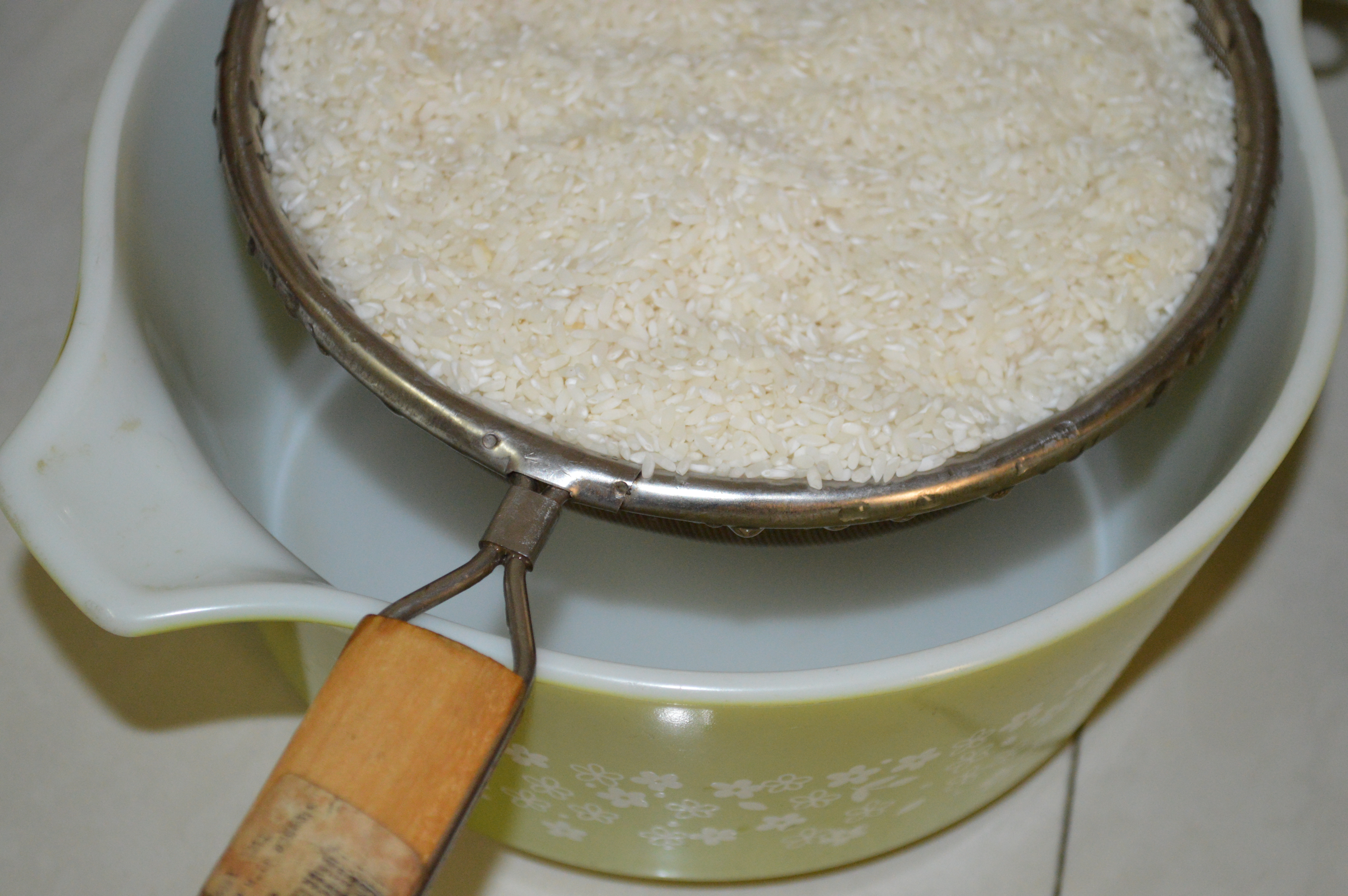
7. Rinse and strain the rice.

DSC_0140

8. Heat on tbs of ghee, add rice and ½ tsp salt, cook until opaque.DSC_0146

9. Add 5 cups of hot water to rice. Cook until half done.

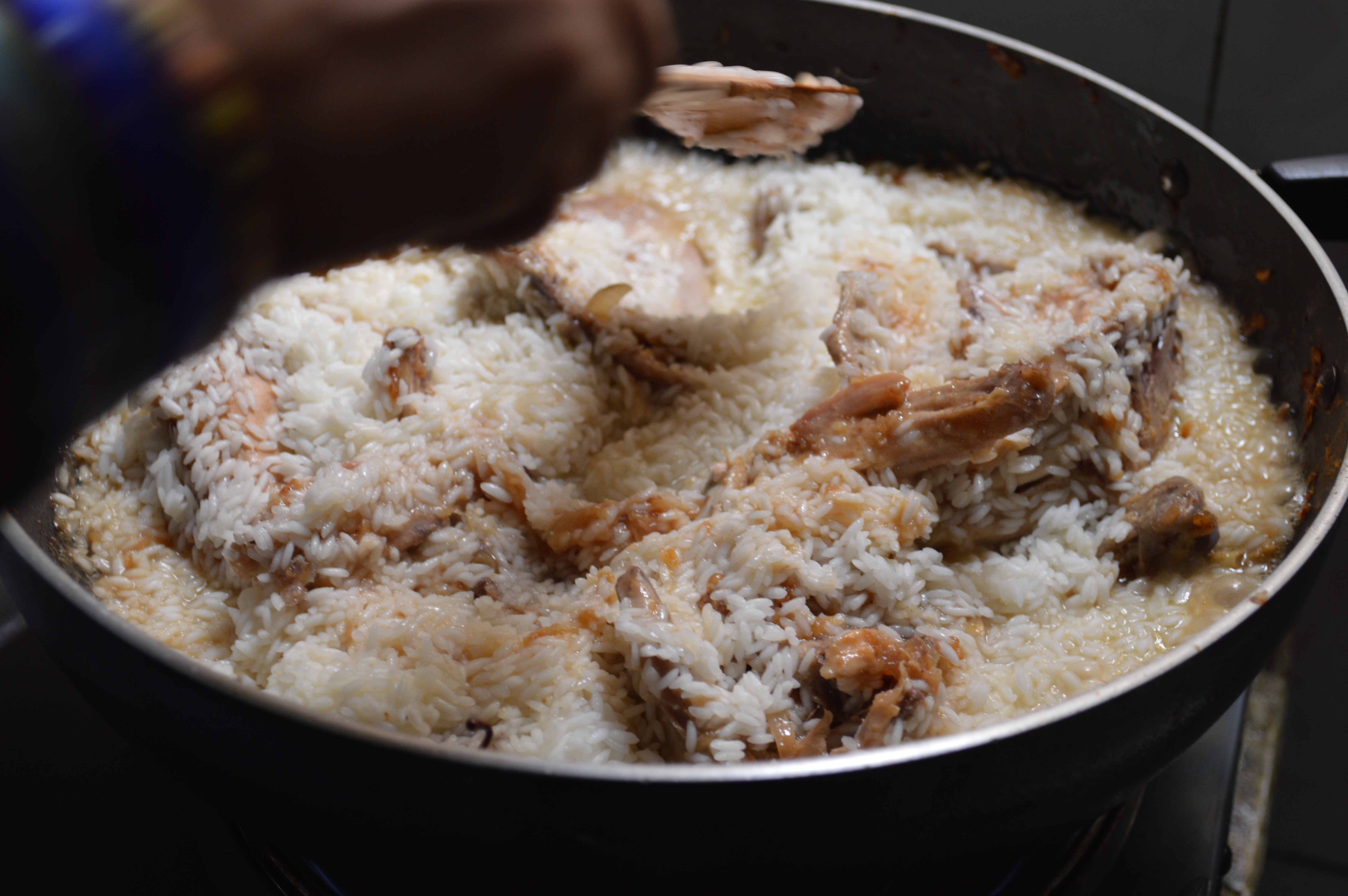
10. Add half cooked rice to chicken. Stir. Add more water if needed to fully cook rice.

DSC_0153

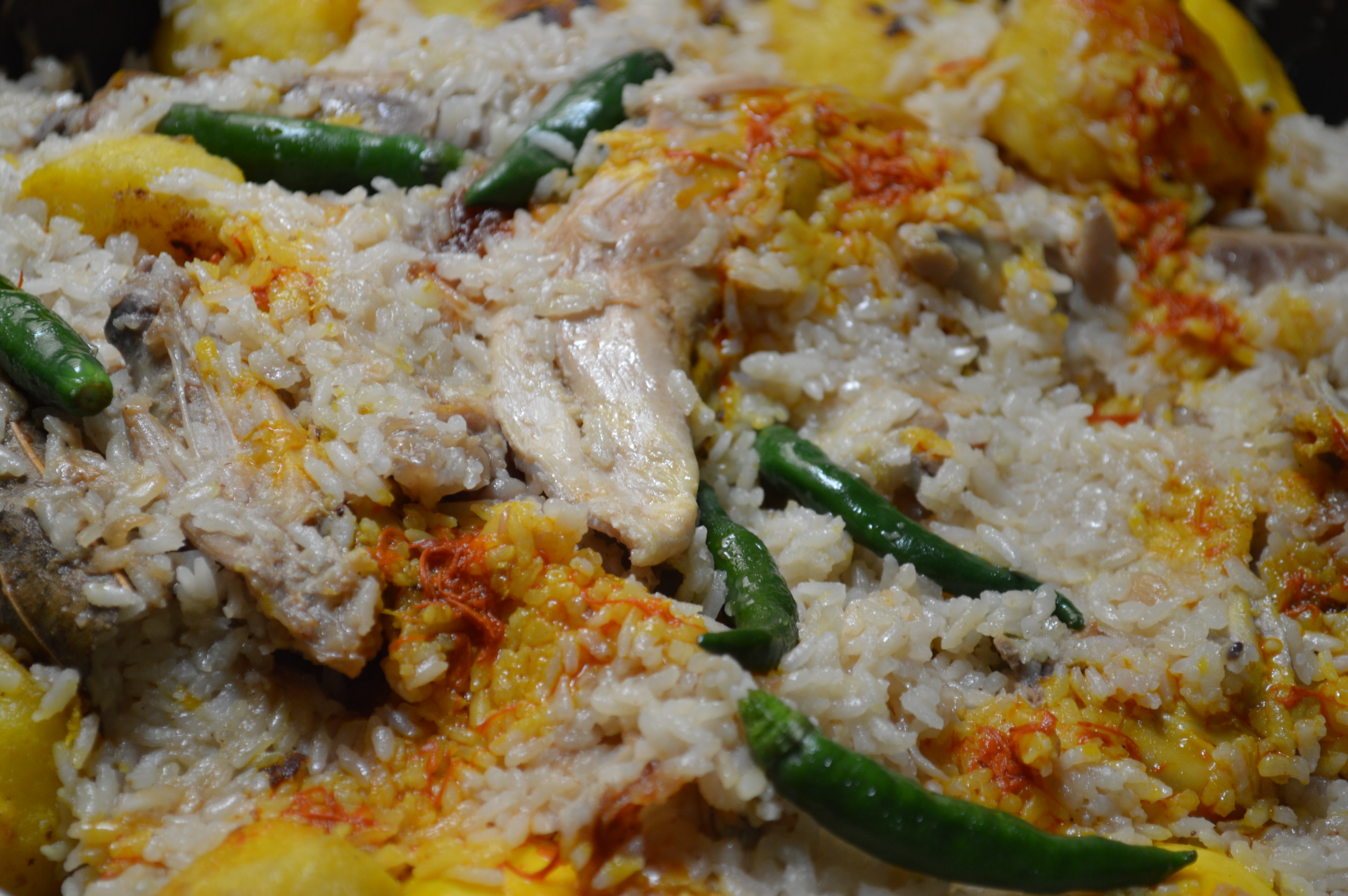
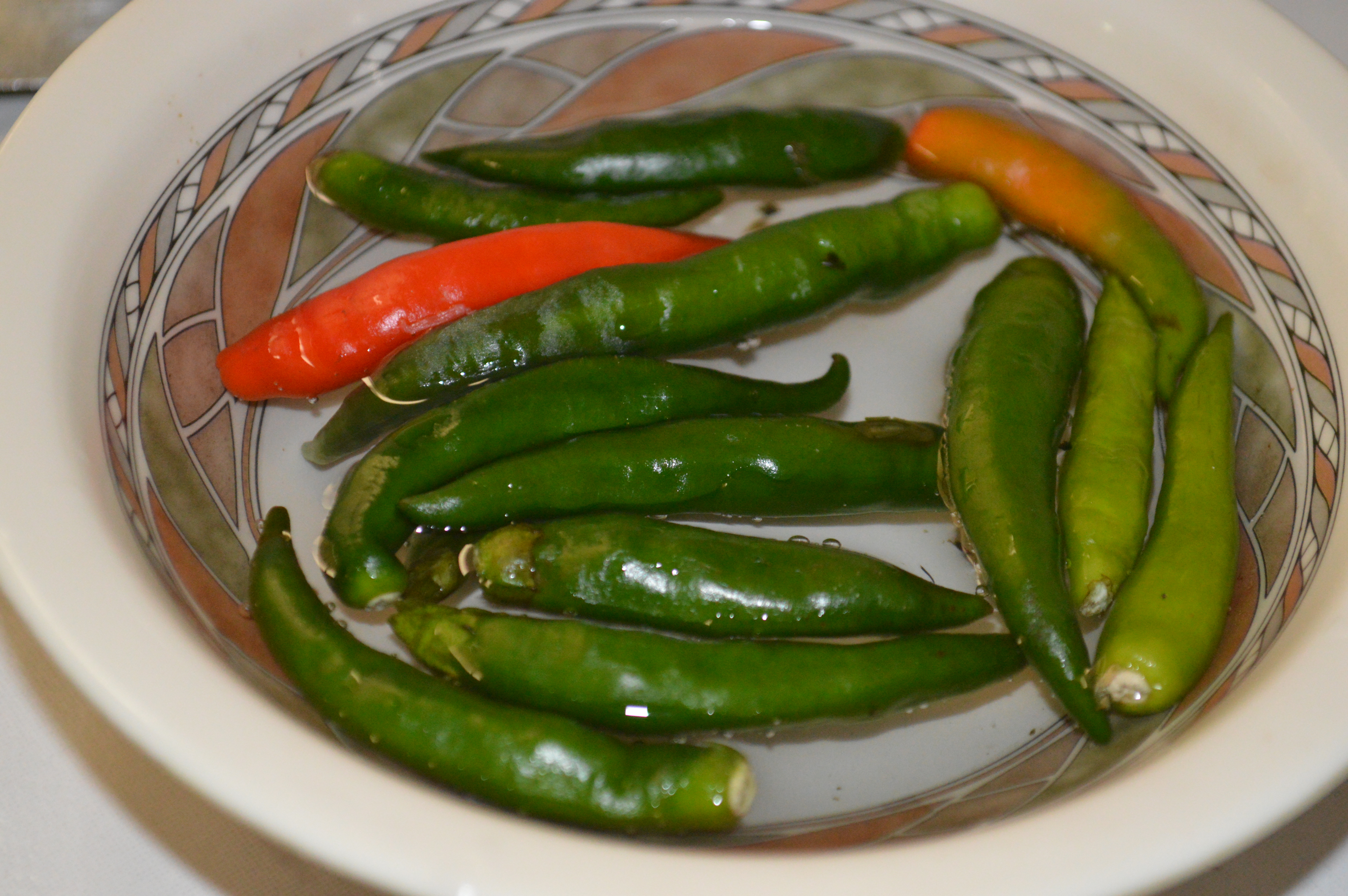
11. Add potatoes, eggs and green chilies.

DSC_0156  DSC_0152

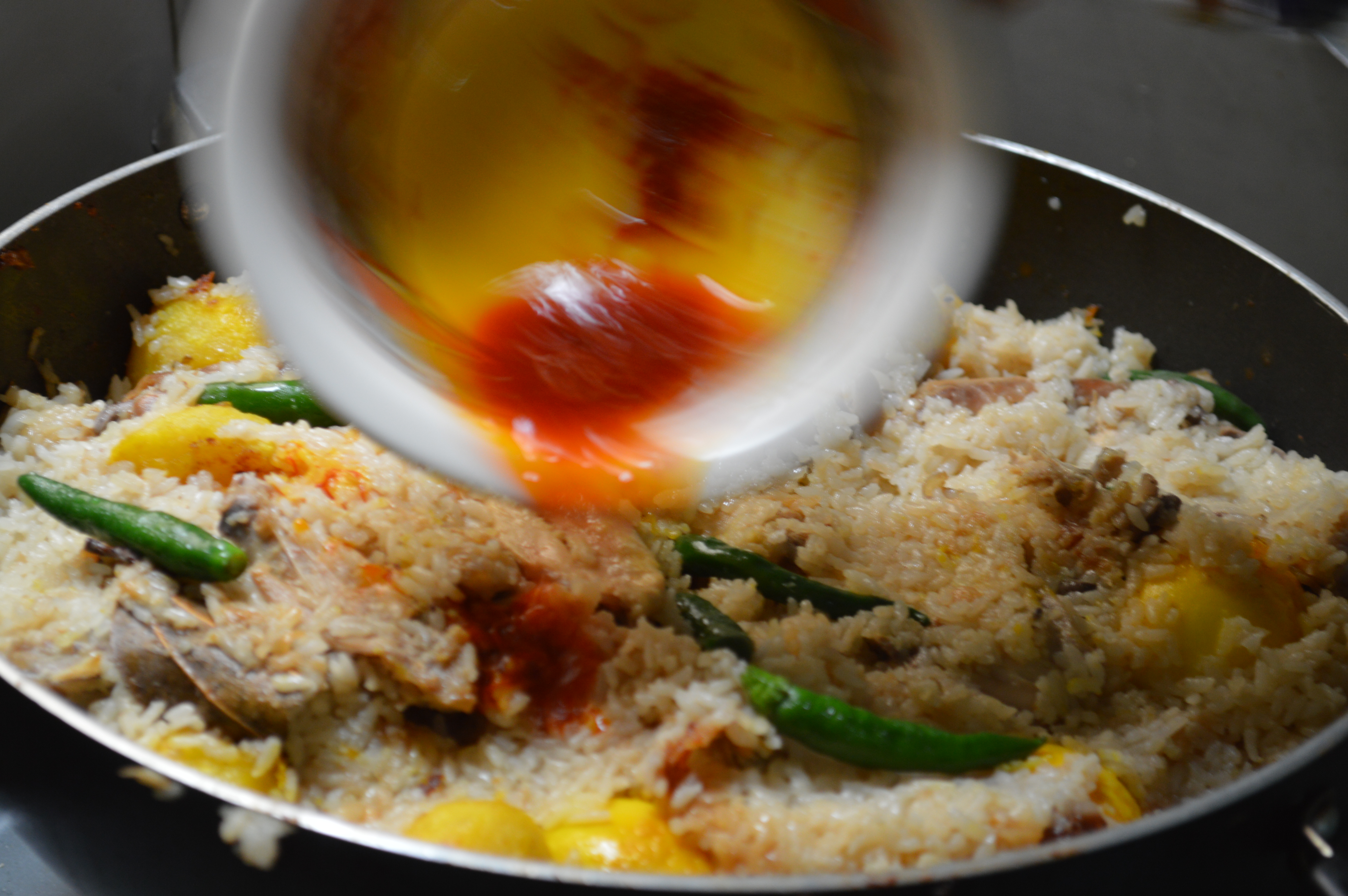
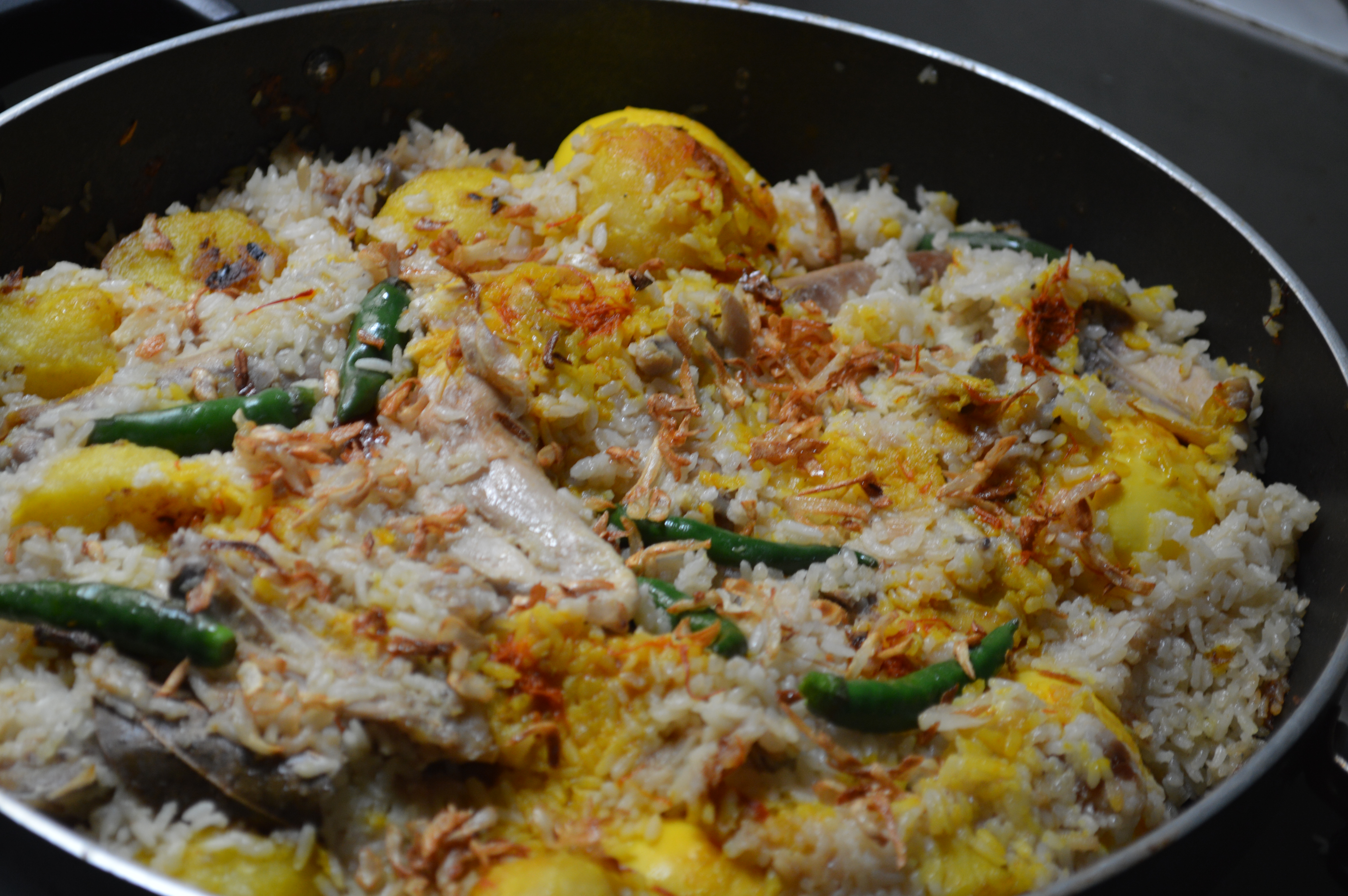
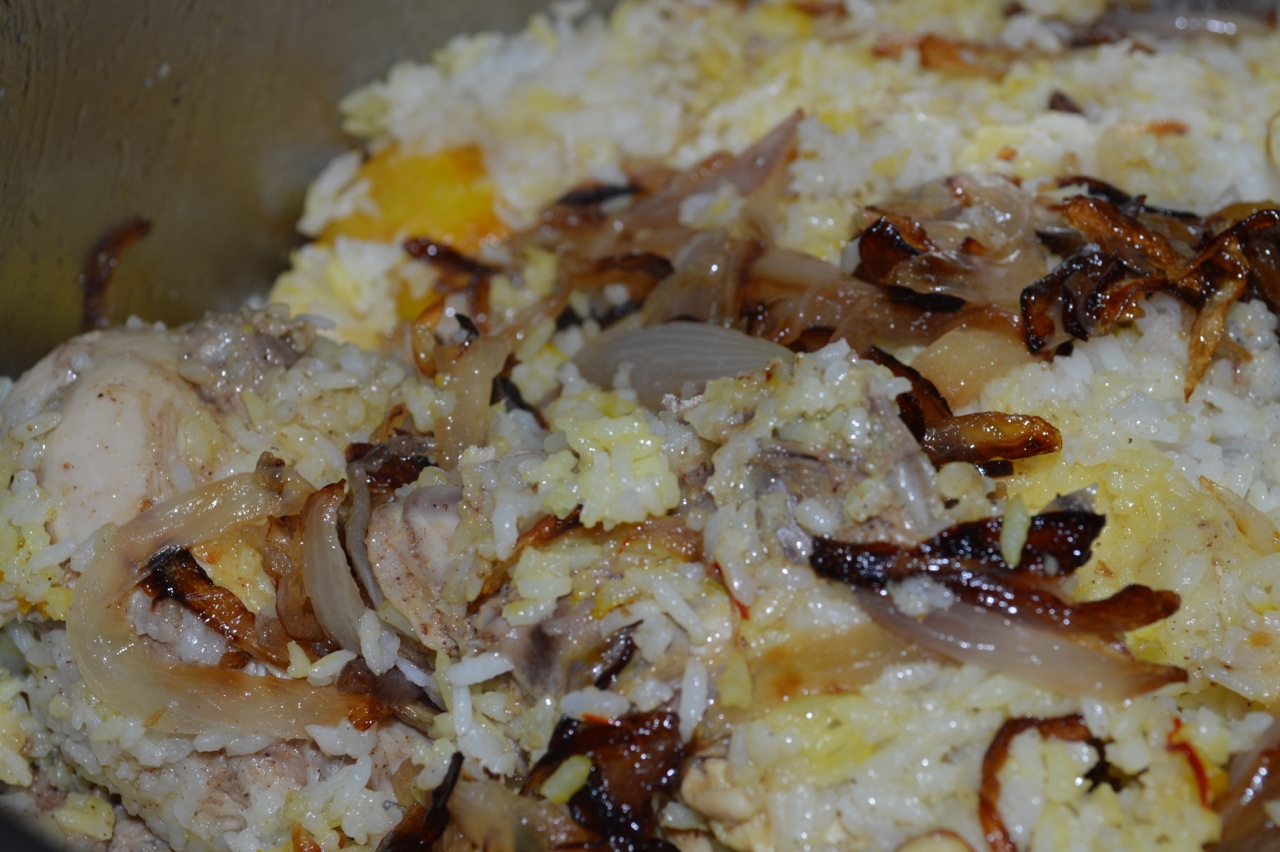
12. Stir in saffron infused rose water and garnish with fried shallots. Serve.

DSC_0158

DSC_0161

DSC_0162

DSC_0126

YUM! Thank You, Dhua for sharing your recipe!

RECIPE UPDATE!

I tried the recipe recently and here a few notes of adjustment for the American kitchen.

1. I used two cornish hens quartered and skinned instead of one regular roast chicken.

DSC_0323

2. Instead of whole spices that my daughters do not appreciate biting into, I added 1/4 teaspoon of cinnamon and cardamom each.

DSC_0324

3. I used 4 medium yellow potatoes (halved).

DSC_0327

4. I added 6 cups of water. The rice was almost done by the time I added it to the chicken.

5. I added another tablespoon of ghee and simmered until the oil separated from the chicken in order to gently fry the pieces in the spices.

DSC_0328

6. I also added 1 teaspoon of salt in the rice water.

DSC_0330

It was moist, delicious and so aromatic with the spices, the rose water and the saffron. Truly a special occasion treat!