The Gesture – Chef Alain Passard

“In cuisine, in music, in sculpture, in painting, it’s everything. Either we like the gesture, either we like the hand, or we don’t. Me, I love it. It might be the sense I like the most. Maybe even more than the sense of taste. And this hand…if we want it to be more beautiful, we must work seven hours, eight hours, ten hours in the kitchen everyday. This makes the hand more precise, more accurate and more elegant. That’s the trick.”

The three Michelin star chef, Alain Passard of Arpege explains the fine-tuned sense of gesture in being a great chef.  Advice, I think applicable to any creative and innovative practice: CULTIVATE THE HAND!

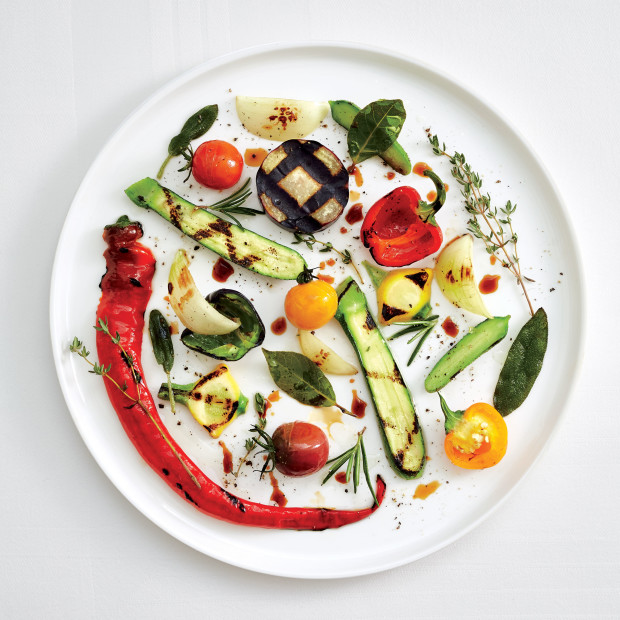
alain-passard-ratatouille-aux-legumes-grilles-620x620

Alain Passard’s Ratatouille

From the Mind of A Chef, season 5.

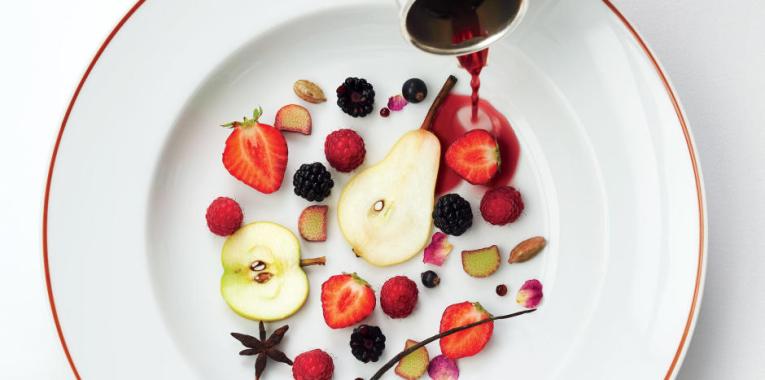
Fruit Salad Image from: http://www.bonappetit.com/people/chefs/article/larpege

http://www.bonappetit.com/recipe/fruit-salad-with-thousand-flavor-syrup


Cuban Coffee Chronicles – Final Day 9

Our last day in Cuba ended with a visit to Fusterlandia before we headed to the airport. A crazy Picasso meets Gaudi situation where the artist converted his home and many others in the community into glistening, colorful, funny, joyous celebrations of art, community and Cuba. A very befitting way to end our trip.

What a trip from Santi Spiritus to Habana! In between, I discovered the creativity and resourcefulness of the Cuban people. I was impressed by the role of music, dance and art, by the ration cards that held information about each citizen’s medical needs,  by availability and respect for education, by their efforts towards sustainable development, by their surprisingly entrepreneurial spirit, by their awareness of the dangers and benefits of tourism, by their efforts to be energy efficient and ecologically sensitive, by the general safety and scarcity of crime and gun violence, by the active and respected role of women, by their racial diversity and much more. Yes, often the ideology does not translate into reality.  However, the effort seemed genuine and hopeful. On the other end of the spectrum, no fishing boats are allowed for fear of citizens escaping to Miami. They import fish while they have fish available off the coast. There is certainly a level of control and suspicion that we as foreigners were not privy to. The dual currency system of CUCs and pesos frustrates everyone to no end. The infrastructure is lacking, as in the case of highways or crumbling, as in the case of old Havana. There is so much in need of repair. Housing and food seemed to be the biggest concerns for Cubans. Given Cuba’s slave trade past, elimination of native population, harsh and exploitive sugar plantations (like many countries) it offers a humble history lesson about working for one’s self and the sanctity of labor.

Personally, I will carry two lessons learned in Cuba onward.

  1. For us, what we own, in particular, home ownership, to a large extent defines us. Cubans seem to define themselves by what they do, instead of what they own (most of what they ‘own’ comes unofficially from family living abroad or the black market..flat screen TVs seem to be the highly prized). This was a worthy reminder for me. What would I do if I couldn’t define myself by what I “own”?
  2. Each home was an independent business in all the towns we visited, whether as a casa particulaire (bread and breakfast), paladar (restaurant) or craft studio. The living rooms of most houses visible from the street were devoted to selling something they made. Despite limitations, there is always something one can offer, even if that is five mangoes and two bananas on a table. What can I do with whatever skills and abilities I do have?

I was humbled by my Cuba experience and thankful for all the gifts I enjoy. The struggle towards a world without starvation, homelessness, violence, ignorance and sickness are fundamental human material needs (and not mere ideology) practiced there. How we get there is worth ongoing discussion. Cuba is an important voice in that discussion. Viva Cuba!

IMG_2982

Cuban Coffee Chronicles – Day 6

After a very brief afternoon of rest at the Varadero resort, day 6 we had a full agenda. Our day began visiting a community art center in Matanzas where African roots of Cuban culture are nurtured.  Again we see how art serves to sustain and build a shared history. The installation of heads below was my favorite piece.

IMG_2996IMG_2758

Lunch was one of my favorites at Ajiaco, named after a traditional delicious soup. The stew of corn, beans and vegetables, was served in a clay pot, bubbling hot and flavorful. The coffee was prepared the old way, simply strained through a long  fabric filter. At the end of lunch, we were introduced to everyone who helped make the meal: the head chef, the baker, the waitstaff and the coffee maker. I really like being able to put faces on the effort we were tasting.

After lunch, we arrived at Cojimar and Finca Vigia, Hemingway’s home. Not surprisingly there were books everywhere. Loved his secluded writing tower. His dining room decorated with his game hunting trophies not my favorite.

As we returned to the bus ready to head to our last stop of the day at Christopher Columbus Cemetery in Havana, we realized that we left our backpack WITH our passports at the paladar where we had lunch. So, instead of the cemetery, we head back to our lunch place with the help of super guide Tracy in an un-airconditioned old Russian car that had exposed wiring throughout and wooden door parts that wouldn’t open on one side. The car had personality and years.  Recovering the backpack felt like an adventure. Once there, the staff there had taken good care of it. Nothing was lost or stolen. We were so grateful. I can’t say with confidence that we would’ve gotten the backpack back either in the U.S. or in Bangladesh. That was raw people to people contact.

We met back up with our group at the Melia Cohiba Hotel in Havana. Wow. Havana really felt like a giant city after our days in small town and mid-town Cuba. There were “new” 1990s portions, old and restored portions and old and crumbling portions.  There was also more affluent suburbs with big houses reserved for foreigners and embassy employees, as well as Soviet-style housing areas. Everywhere there is evidence of the Soviet influence and pull-out. Most dangerously in the “three-laned” highways, where they abruptly stopped construction having built one side of a six lane highway. Cuba was courted and abandoned multiple times. No wonder there is distrust and also a deep effort to build national self-pride.

My most favorite meal in Cuba was at a paladar named: Atelier, near our hotel. I had the national dish of ropa vieja, a shredded beef dish. It was delicious. The atmosphere was dark wood and fine art elegant. Each table had different cutlery and dinnerware as if a different family heirloom was used for each table. There was live house music.  Just a magical dining experience. I loved it so much that I asked to meet the chef, chef Michel.  So good..food pictures would not do justice….wistful sigh.

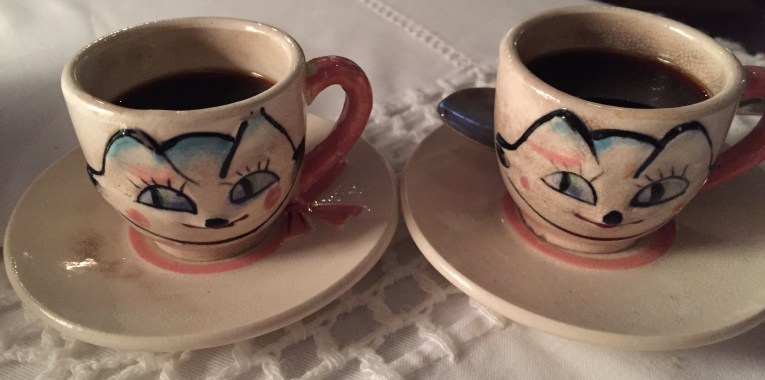
The after dinner coffee in cat cups was perfect!

The famed Tropicana cabaret show where dancers wear lit chandeliers, palm trees and more as their head pieces. It  was flashy, touristy and quite a spectacle worth seeing. Only once for me. The show with all its glitz and glamor was very different than the humble and  uncontrived Cuba we had been touring during the week. Day 6 ended with us escaping the dance party after midnight hoping to find our cab drivers waiting for us. Gratefully they were. Another wonderful day.

Arts of Oliver Winery – Summer 2016

img_2710


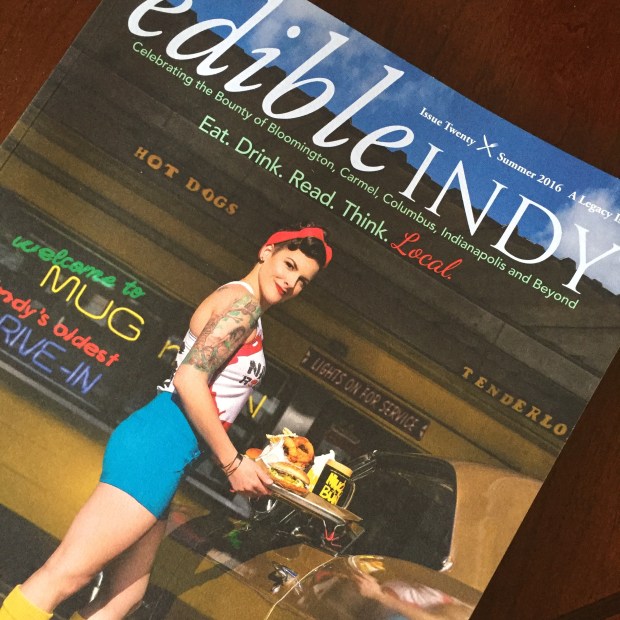
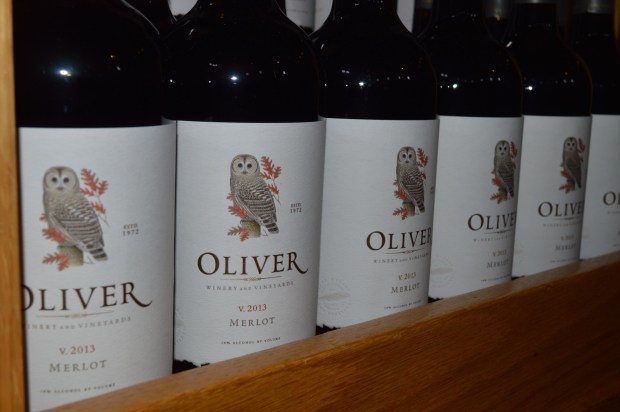
DSC_0064.jpgCheck out my article in the summer issue of Edible Indy Magazine about Oliver Winery’s unique art labels. You don’t have to go to a museum for the best of local art!

Kevin Pope and Ken Bucklew are masters in painting the cultural and natural landscapes of Indiana. Conversations like these make such short pieces well worth the effort. Even if you don’t get a chance to read the article please look up their work. You’ll laugh, you’ll relax, most of all you’ll find Indiana to be much more interesting than corduroy corn fields (although that too is quite mesmerizing!)


Indiana Candy Making History – Edible Indy

This week my article about Indiana candy history was published in Edible Indy Magazine! It was a such a fun story to write and “research.” What a pleasure talking with people so invested in their  craft! I want to especially thank Warren and Jill Schimpff. They are naturally entertaining and informative teachers. Here are a few pictures from my visit to their store in Jeffersonville. Check out my article for more details on charting your own Indiana candy tour! Visit the Schimpffs and the other candy makers this summer. The issue also includes  wonderful and delicious histories of canning, mason jars, breweries and more. Find a copy, better yet subscribe at http://edibleindy.ediblefeast.com/

DSC_0071.jpeg
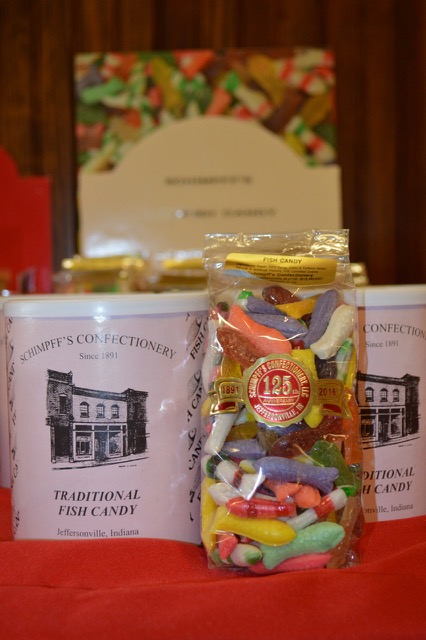
Traditional Fish Candy referencing the Ohio River

DSC_0069.jpeg

Some of their beautiful and colorful candies


DSC_0099.jpeg

Warren makes Red Hots
Candycollectionhires.jpgMy bag of candy that I brought home with me! The Turtles were chewy, crunchy and velvety chocolate smooth

Suffragist cookbook

Happy International Women’s Day!

Story from NPR’s The Salt

http://www.npr.org/sections/thesalt/2015/11/05/454246666/how-suffragists-used-cookbooks-as-a-recipe-for-subversion?

Bringing Bitter Back

The 2015 December issue of Saveur includes a Bitter Melon tofu stir-fry recipe. It reminded me of my grandmother who would, much to my childhood discontent, insist on starting every lunch with Bitter Melon Bhaji. Worse, she would offer the second course, usually a delicious light fish or chicken curry, only after evidence of a finished bitter melon plate. Bitter Melon was the unwelcomed gatekeeper of lunchtime deliciousness.

My grandmother was a staunch believer in bitterness, a Bengali version of the British stiff upper lip. For her, all sweetness came at the price of bitterness. “The more you laugh, the more you’ll cry,” all the cousins joke. Bitter Melon wasn’t a vegetable, it was a philosophy. I had misinterpreted the lesson as a prescription to avoid the sweet, in order to avoid the bitter. Instead, it should be: accept the bitter and the sweet, equally. It makes life full and robust, a meal savored and stretched between bitter, salty, spicy and sweet. An appreciation of bitterness maybe a taste that is acquired by diligent practice and age. My love of cooking is no small part due to my grandmother’s slow, methodical, everyday practice of cooking. Here’s to you, Bubu.

I’d like to bring bitter back as a taste to be savored along with others, instead of avoided or feared. This is my bittersweet New Year’s Resolution: To finally embrace the Bitter Melons of my life.

Recipe for Bitter Melon Bhaji (Serve 4-6)

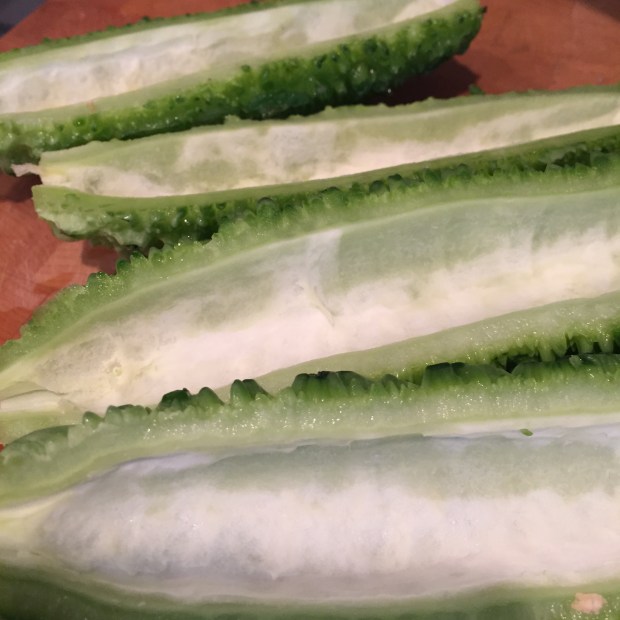
  1. Wash two or three bitter melons depending on size.IMG_2372

  2. Slice length-wise and scoop out seeds (some leave seeds in if melons are young)IMG_2373IMG_2374

  3. Massage with salt and rinse with cold water for a few minutes. Rinse. Drain. Let dry.IMG_2375

  4. Put 2 tablespoons of vegetable oil in a hot pan.

  5. Fry a medium sliced onion until soft and starts to brown.

  6. Add 1/2 a teaspoon of turmeric and salt to taste.

  7. Add a julienned medium potato.

  8. Fry until coated with turmeric. Bright and yellow.

  9. Add the bitter melon. Fry over gentle heat. Cover.

  10. Simmer, covered until potatoes and melon are soft and edges start to brown and caramelize.

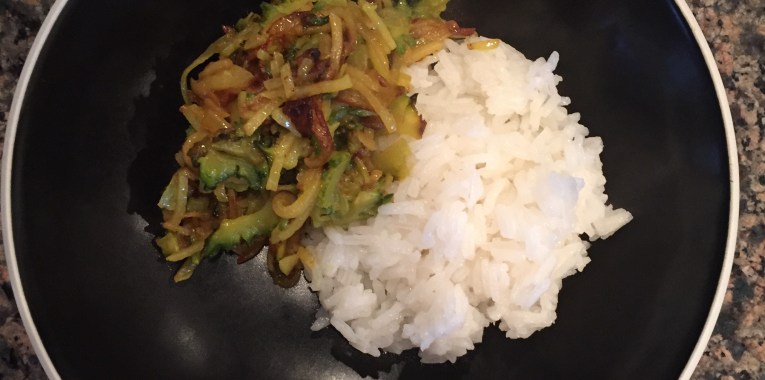
Serve with warm white rice and digest all the day’s bitterness away.

Pop-Tart Makeover

51LtV-nCyeL._SY498_BO1,204,203,200_.jpg

This recipe dedicated to my best friend and partner in food adventures and binges, Jim, is from Emilie Baltz’s fun and fantastic book: Junk Foodie: 51 Delicious Recipes for the Lowbrow gourmand.

We rarely buy Pop-Tarts, Jim’s childhood breakfast of choice. Photographer, designer, foodie, Emilie Baltz includes the Pop-Tart in the Junk Foodie Pantry along with Twinkies, Little Debbie treats, Animal crackers and more. She describes the confection as follows:

Introduced in 1964, The Pop-Tart name was inspired by the king of retro art movements, “Pop Art.” These toaster-ready breakfast treats were not only hip, but advanced. The packaging was adapted from a process normally used for dog food packing. Delicious.

Here is the recipe for Pop-Tart Brunch Strudel

1 Apple Pie Filling

1 Handi-Snacks Cheese Dip

1 Brown Sugar Cinnamon Pop- Tart Crust

Cut top off Apple Pie. Scoop out filling and place to side. Smear Hand-Snacks Cheese Dip on one side of reserved Brown Sugar Cinnamon Pop Tart crust. Top with apple pie filling. Cover with other half of Pop-Tart crust. Cut edges off to form a net rectangle shape. Serve.

Look up the website and book for 50 other recipes. The vivid and amazing images are very convincing and I almost want to try a few of the recipes. I am curious. The book is a beautiful exercise in re-imagining ingredients for someone raised without junk food (and a French mother).

Here is an image and review of pumpkin pie Pop-Tarts, from http://www.cookiemadness.net/2010/09/frosted-pumpkin-pie-pop-tarts/

pumpkinpiecrosssection.jpg

For those of you horrified by the above inventive, artificial, and industrial product  recipe, here are a few recipes for home-made pop-tarts

http://sallysbakingaddiction.com/2014/09/03/homemade-frosted-brown-sugar-cinnamon-pop-tarts/

http://smittenkitchen.com/blog/2010/04/homemade-pop-tarts/

http://www.cookingclassy.com/2014/05/homemade-pop-tarts/

Wishing you a wonderful Thanksgiving ahead whether your taste is lowbrow, highbrow or high-low home-made,

Hungryphil

Food Stories – Amber Davis from the EMT – Emergency Munchies Truck

IMG_20150719_134018

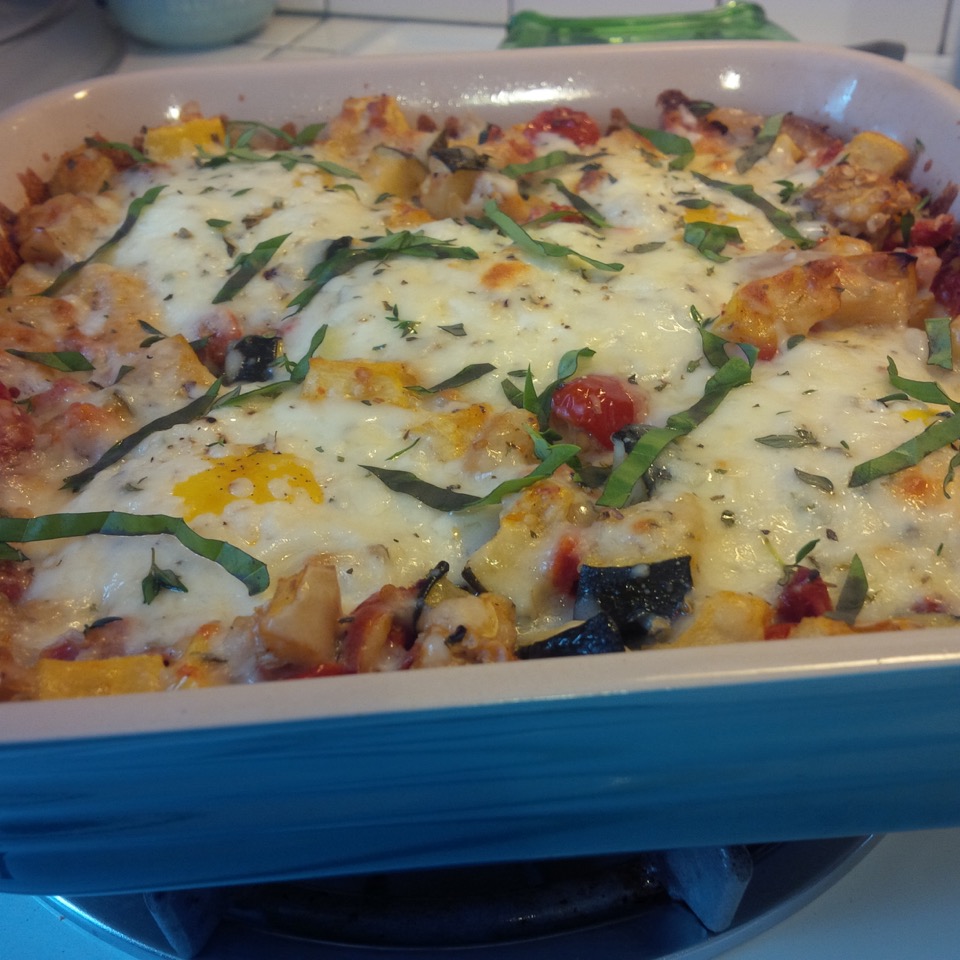
The Emergency Munchie Food Truck or EMT truck runs on owner Amber’s ideal of scratch-made vegetarian comfort food. The food she considers emblematic of her philosophy is Vegetarian Lasagna with a white cream sauce and roasted vegetables, other examples would be Poutine and Indian sweet potato and chickpea curry. All of her examples are hearty, luscious, flavorful and vegetarian. 

IMG-20151103-214623

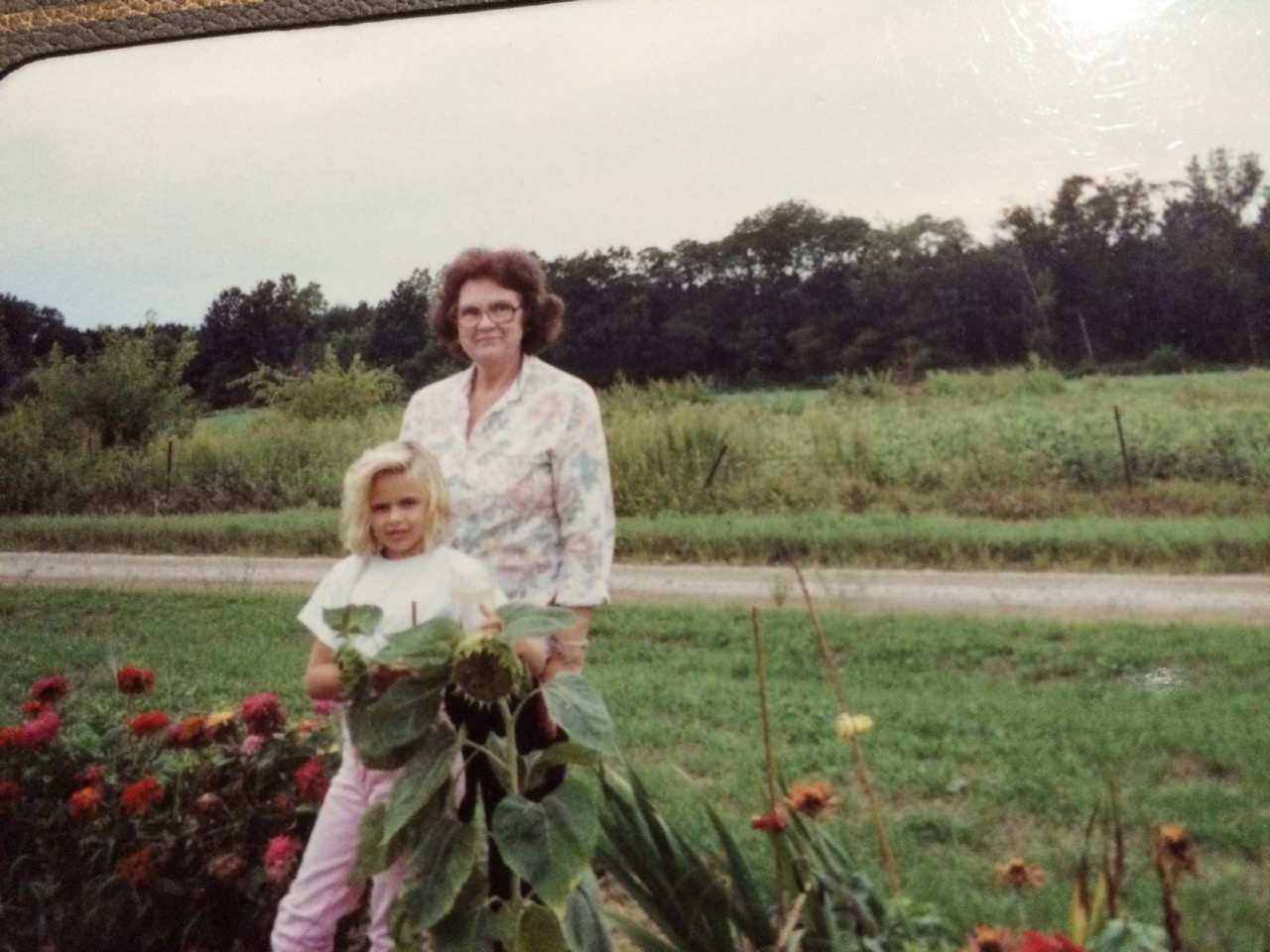
With her grandmother on the farm

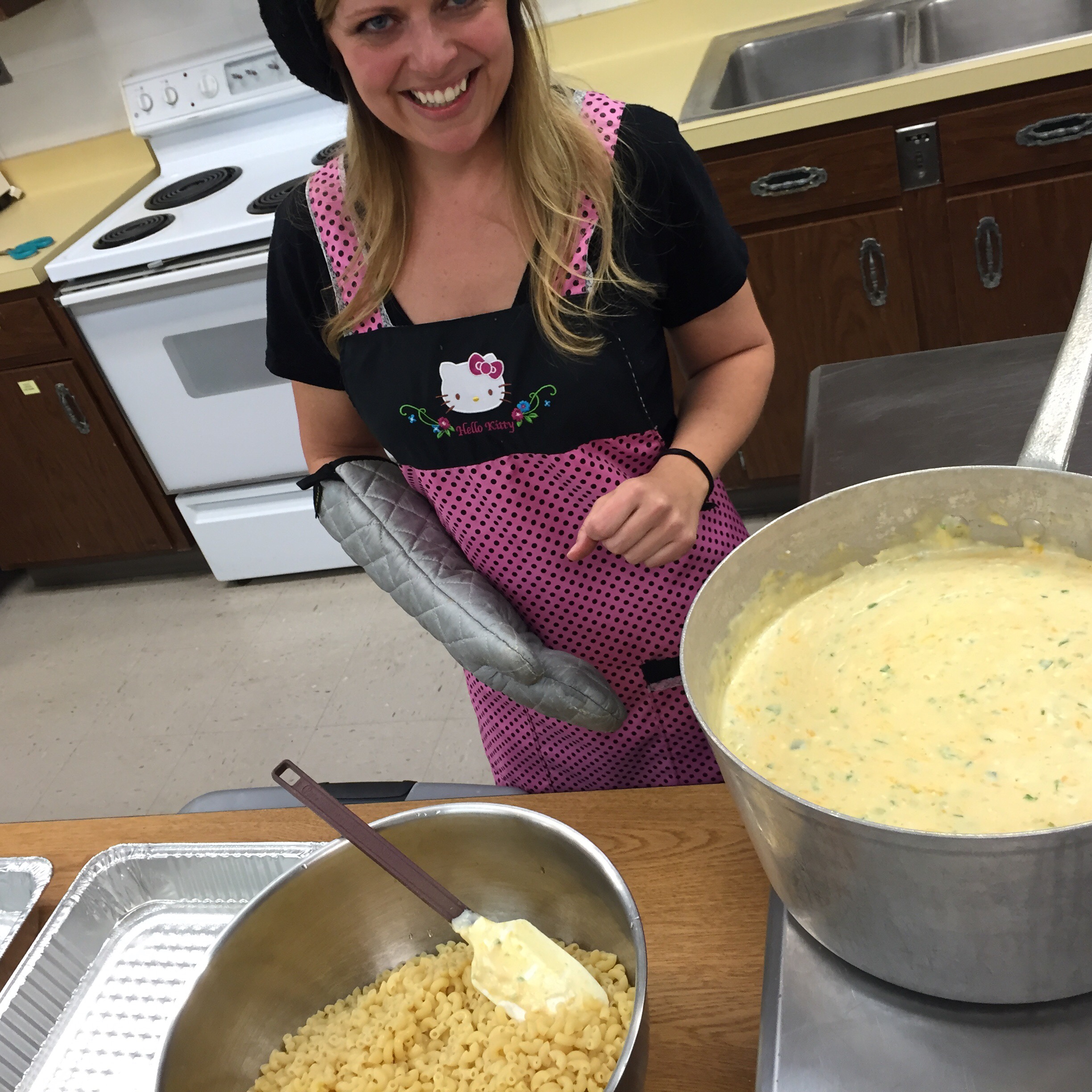
The duality of Midwestern practicality and her own playfulness are childhood gifts from the strong, supportive women in her life. She remembers visiting her paternal grandmother who lived on a farm and had kitchen counters full of rising dough. There she discovered the joy of experimenting with gathered ingredients. From her working mom and grandmother she learned the practical comfort of casseroles. As the only vegetarian in her family she found herself challenged to make hearty comforting dishes for meat eaters without making vegetables mimic meat. Her menu for the food truck include traditional comfort foods in vegetarian form such as, Chili Blanco, Waffle Melts, the “B” Burger and the Mac Nugget Poppers I found her preparing in the kitchen during this interview. All her recipes combine peppery heat, grilled warmth, melting cheese and fresh veggies.

 Amber Mixes the Mac and Cheese

Although she grew up and now lives in Indiana, she also lived in Florida and California before returning. She loves to travel, experiment with new recipes for her family and garden at home. Gardening, cooking and travel are common foodie side affects.

IMG_5085IMG_4996

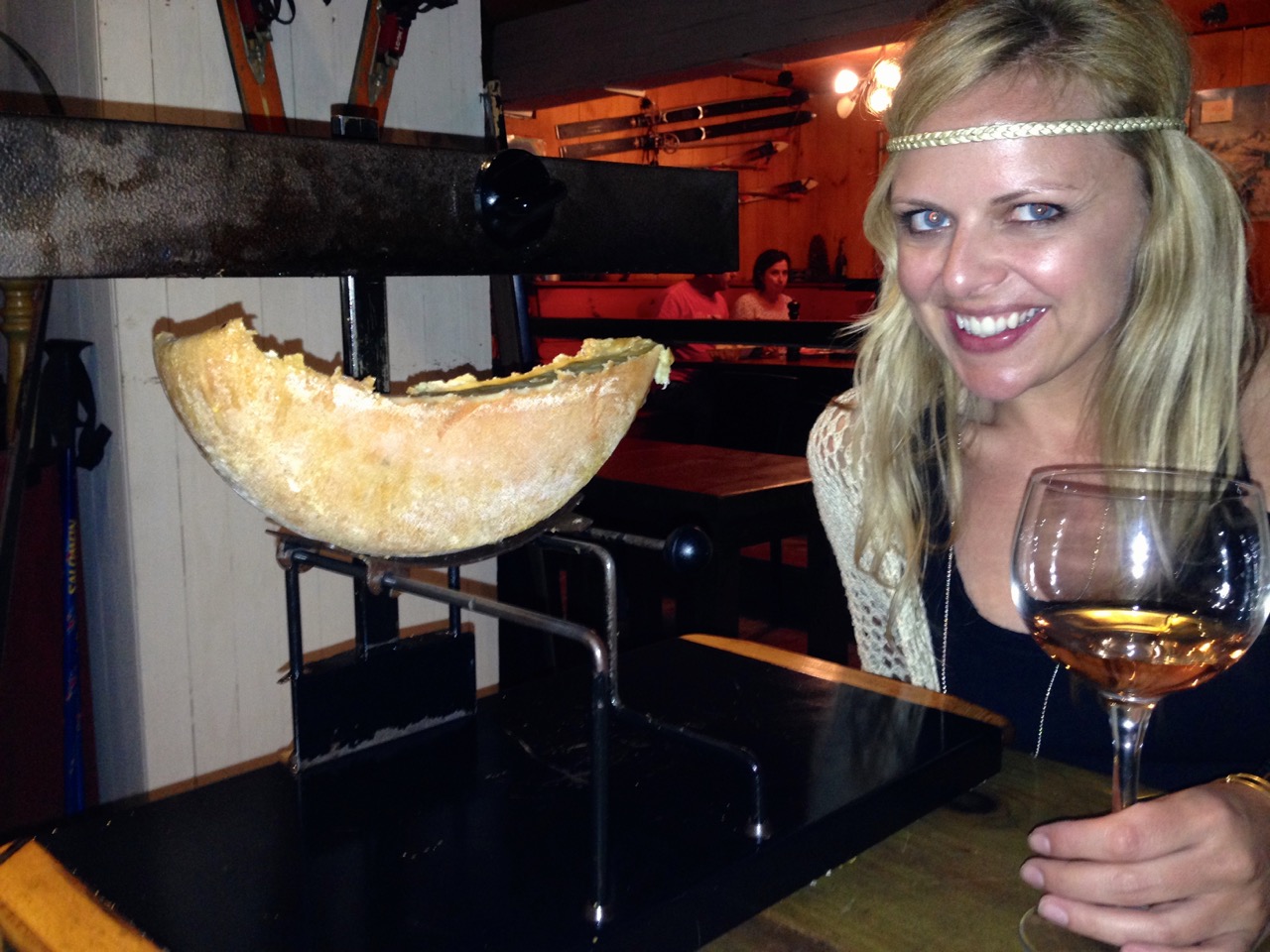
Amber with a wheel of cheese at Le Chalet in St Martin, a Swiss Raclette restaurant. And, a plate of fresh veggies by the beach.

IMG_0345IMG_2067

Fruits of Amber’s Garden

IMG_20141128_141746IMG_1614IMG_20150829_220905

From Amber’s Home Kitchen

She ascribes her attention to detail, branding and style, having managed the Reeda Todd Salon in Indianapolis for years. The design of the food truck experience combines the simplicity of the color black with the square shape and extends from the shape of her waffles to the recyclable, biodegradable service items. The idea of the food truck itself is a combination of a late night fantasy for an emergency ambulance delivering comfort food with a very practical and healthful approach to eating. A former ambulance, the food truck embodies the theme of an urgent need for culinary comfort.

She doesn’t actively market the food truck as vegetarian or vegan or the fact that she sources locally. Instead, she insists on the idea of comforting updated traditional treats with a personal commitment: “I don’t want to serve people what I wouldn’t eat.” And, I must say she has good taste. If you’re in the area try hungry philosopher Amber’s tasty strategies to eat the irony of mid-western vegetarian comfort.

IMG_1823

This summer I enjoyed a quick afternoon snack at the EMT Truck with my daughter at the West Lafayette Farmer’s Market: Sweet Potato Fries, seasoned with cinna-spice, served with chipotle ketchup sauce alongside a cool refreshing lemonade. Notice the square produce basket and the checkerboard pattern. Nicely and deliciously done.

Dear Hungry Philosopher Amber,

Thank you for sharing your story and pictures!

Wishing you more cheese wheels and fresh vegetables,

Hungryphil

Invitation to West Lafayette Hungry Philosophers

Dear Hungry Philosophers,

Please join us for what promises to be a wonderful discussion about GLOBAL FOOD from our local perspective: October 22nd, 3:30-5:30 pm. Nelson Hall 1215, Purdue University.

Global Food Studies_10.22.15

I would like to thank our panelists for their willingness to share their time and experience with us. Below is a brief introduction to each restaurant and associated panelist. They have much to teach us about making ourselves at home by serving, learning and eating together. For more, please join us in our efforts to extend local goodwill through global food.

La Scala and Restauration

IMG_2014

FullSizeRender

Crafted, complex and whole are the words Kristen Serrano uses to describe La Scala, a Lafayette Indiana Italian restaurant that she co-owns with her chef-owner husband, Francisco Serrano. Every dish is freshly crafted to order and aims for complex layered tastes. The board at the entrance shows that every effort is made to source from local farms. Extending and centering on this principle of celebrating local produce and products, the couple, also opened Restauration.

Growing up in an Ohio home with an one-acre yard, Kirsten learned to appreciate home grown, cooked and baked foods early. The connection to soil, ground, earth, land (she repeats these words through out our conversation) is important enough for her to live and work on a 5-acre farm now. This nature focused gastronomic DNA serves both La Scala and Restauration well.

It was, however, family food allergies and dietary limitations that pushed Kirsten to learn more about healthy foods and implement her knowledge of holistic nutrition at the restaurants. Restauration, dedicated to their daughter, champions the cause of allergen free, simple, creative and grounded eating.

Due to a nightshade allergy Kirsten can no longer enjoy her favorite eggplant parmesan. However, now she does enjoy the pork steak at Restauration sourced from Sheepdog Farms, brined in apple cider and served with a cider reduction. The dish represents the principles of a simple entree, locally grounded ingredients and creative technique (she credits chef Alex Hernandez).

The Serrano family evolution from La Scala (2000) to Restauration (2015) is a telling example of American transnational food experimenting between old world tastes and a new world of local eating.

http://www.lascalaitalianrestaurant.com/

www.restaurationlafayette.com

Basil Thai and Thai Essence

IMG_0117

When looking for a space in West Lafayette to open his Thai restaurant, Chef Ake recalls the confusion of the real estate agent who asked, “What is Thai Food?,” “Is it rice? Or noodles?” Undeterred by the agent’s discouraging attitude, Chef Ake continued his search. Almost by accident he and his wife Nan discovered the location of Basil Thai when they stopped at bubble tea shop up for sale in Chauncey (where they continue to sell bubble tea now). That was over ten years ago. Now they have another location, Thai Essence, with essentially the same food served in a fine dining atmosphere.

Chef Ake owes his confidence in opening a Thai restaurant in small town Indiana to a keen understanding of students having catered many university events (where he was also a student working on a MFA), as well as having worked as a private chef. For him, running the restaurants requires earning the trust of his customers, taking ownership for all details no matter how small and a willingness to learn and adapt.

Basil Thai and Thai Essence are products of the classic American immigrant drive that involves the journey of a well-established film-maker who wanted better, moved to the U.S., worked through a variety of grueling jobs, between jobs out of sheer determination earned a graduate degree and in the process became a business owner and a cultural translator. Given his own difficult students days, one can understand his particular attention to serving student needs. For example, even in our short conversation in preparation for the panel discussion, Chef Ake’s primary concern was making sure we would have hand sanitizer and napkins to ensure no student would get sick. With a caring and generous spirit, he and his wife, Nan, through Basil Thai and Thai Essence are feeding and building a community of adventurous and at home, eaters.

http://www.thaiessence.net/

Shaukin

IMG_2013

IMG_2020

Himanshu and Minal Bhatt relocated, seven years ago, from Orlando (where they owned two Indian street food restaurants) urged by their Purdue-attending son. A familial quality infuses the restaurant. You will find them both running the register, cooking and explaining the menu, as needed. This is an exemplar of a mom and pop store (who happens to be immigrant Indian). The street food menu represents all the regions of India, giving non-South Asians a broad introduction but also South Asians the possibility to enjoy unfamiliar regional tastes. It is a place for casual, fresh food to be enjoyed with friends. In classic deshi (South Asian) familial style they insisted on feeding me. I didn’t resist or complain. It was delicious.

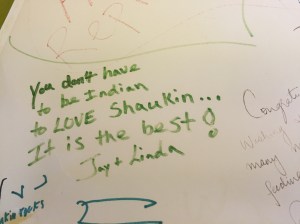
For the Bhatt’s the restaurant is an extension of their family. Even the name, Shaukin is a combination of the names of their daughter and daughter-in-law. Incidentally, the name also references the Hindi word for favorite or favored. They were most excited and proud to share the notes and glowing reviews from their customers. I won’t be surprised if they have all the comments memorized. They thrive on the energy of happy customers. The menu reflects their kind, fun, joyous and accommodating personalities. This small Indiana town suits them well despite the weather where they find people more accepting and appreciative. Or maybe, that assessment is in part a reflection of their own mindset.

http://www.shaukinfoods.com/

I hope you can join us, October 22nd, 2015 at Purdue and celebrate our very own, small town Indiana, GLOCAL eating!

A very special thanks to Kera Lovell, American Studies Ph.D. student and instructor,  for thinking of this and organizing this event!

Warm wishes,

Hungryphil