Giving Tuesday

After Thanksgiving Thursday, Black Friday, Cyber Monday… It is Giving Tuesday. This is the first year I’ve noticed this 4 year old social media effort.

It’s an actual thing. I love it! If there can be doughnut day, why not giving day?

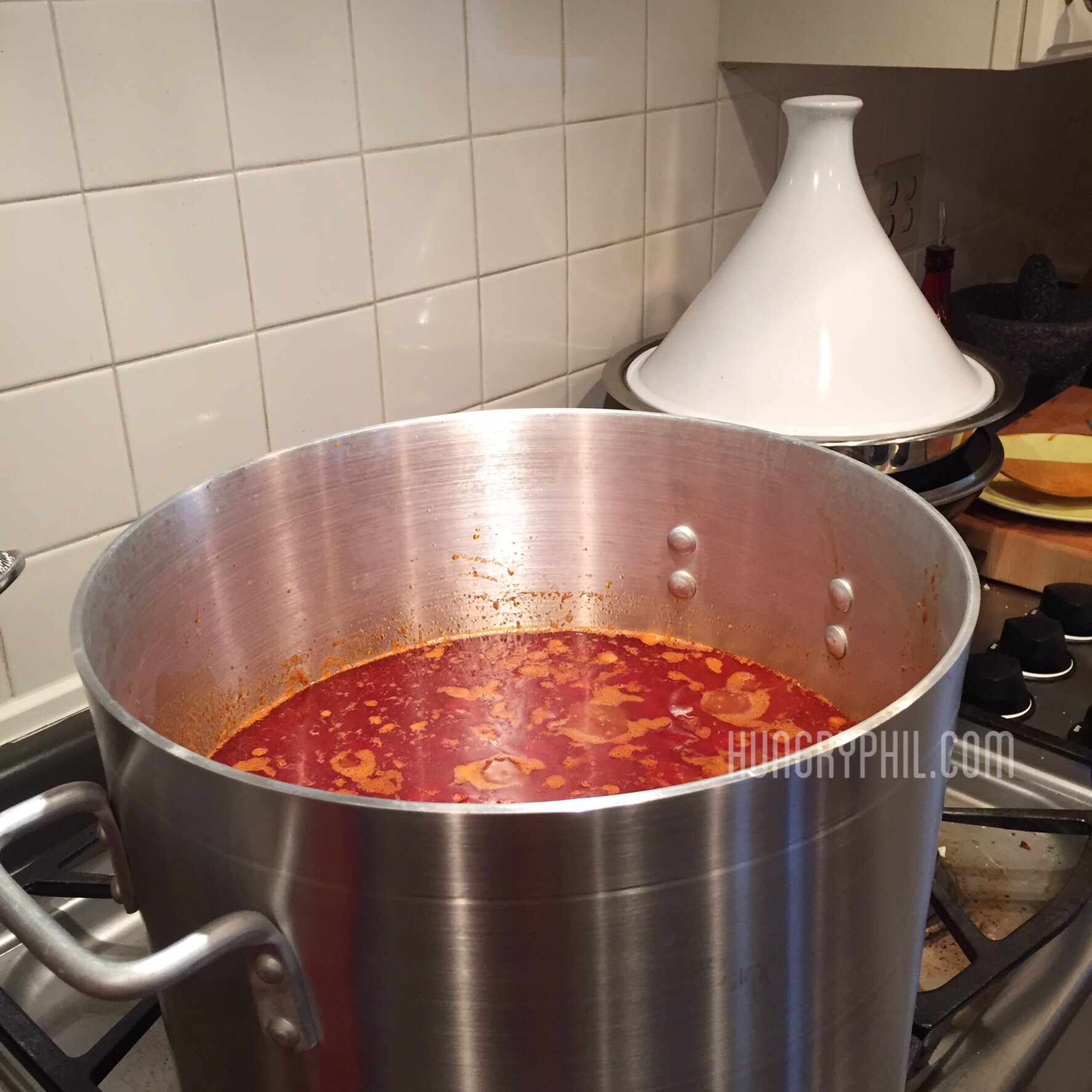
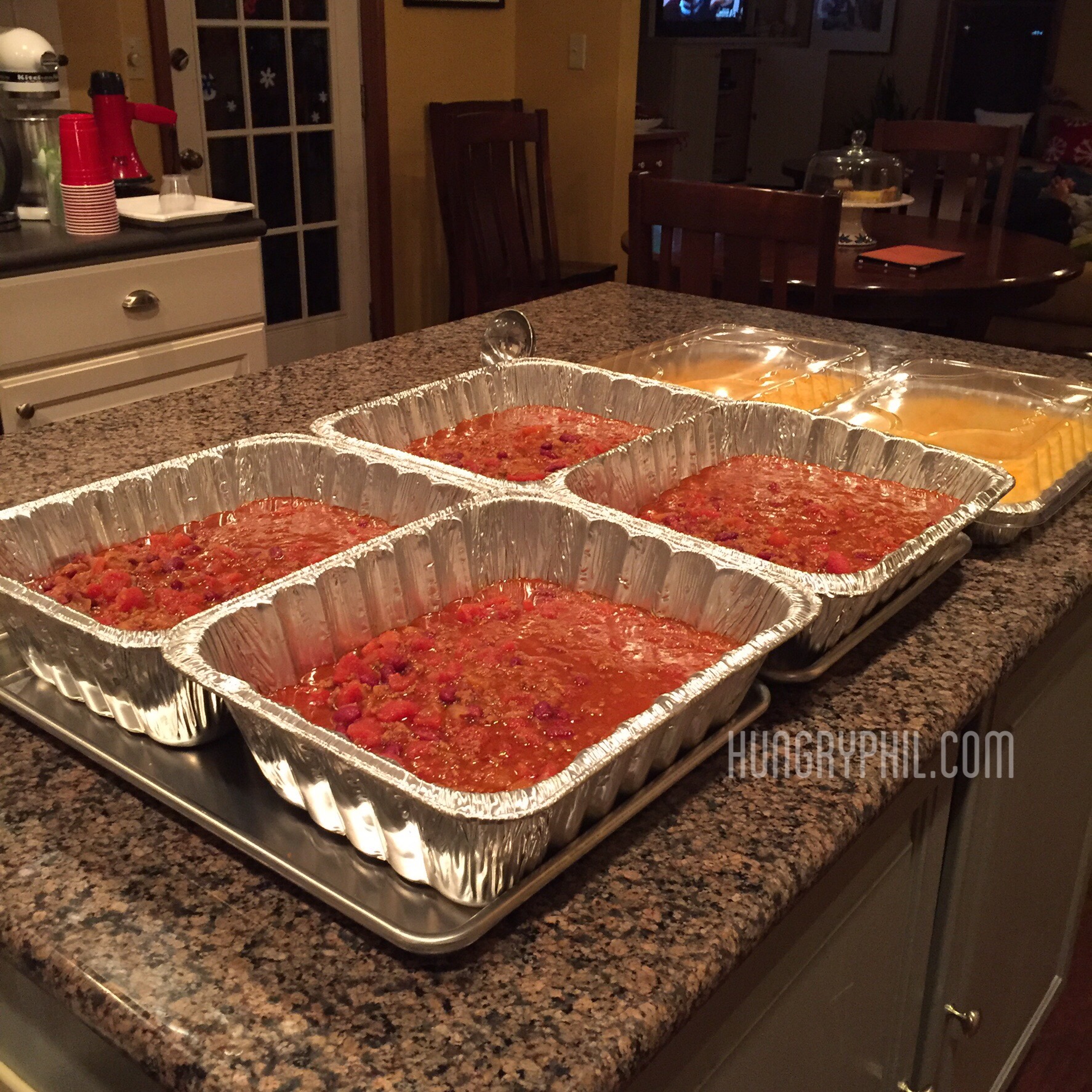
Unbeknownst to me, I was celebrating the occasion by taking my post thanksgiving binge, guilt-admitting shelter dinner to the Lafayette Urban Ministry. Next year, I promise myself to do something more intentional to celebrate the occasion. It was an easy pot of chili and two trays of corn bread (thanks to corn bread and biscuit maker extraordinaire, my mom-in-law Ms. Rachel Perrin).

The fact that the dinner for 32 cost less than $70 is evidence of how easy it is to make a difference. All those promotional television spots cajoling us to donate a $1 a day to feed, education or immunize a child, to buy a goat, to cure a disease, to alleviate all variations of human suffering, makes sense. All worthy causes. How does one choose? For me, as someone who loves to eat and cook, the reality of hunger in the world hits hard. I have packed backpacks, worked at food rescue/community kitchens, sorted cans at the food pantry, on a D.C. street offered my bag of left over hushpuppies (that elicited a look of fear and gracious acceptance).  Education would be a close second. I love to read and learn. I cannot imagine a world without books or the possibility of learning. The truth is,  I learn more about myself in service of others than in my many attempts at meditative introspection. I learn about what I couldn’t live without and what I wouldn’t wish on anyone else.

Giving Day to me would be a day to give of oneself. I eat and read, cook and write. That is what I have to give. Giving is so much more complex that charity, guilt or sanctimony. Figuring out what you have to give the world is incredibly empowering. So, Happy Giving Tuesday, my dear readers!

May you rediscover and share yourself,
Hungryphil


Chili for 32 (Recipe Adapted from Betty Crocker Online)

6-7 lbs of Ground Beef

6 cups chopped onions

8 -28 oz cans of diced tomatoes, undrained

6  -19 0z cans of red kidney beans, drained (I didn’t add the liquid)

2 – 15 oz can tomato sauce

6 tbs chili powder

4 tbs sugar

2 tbs salt

All ingredients were just store label and roughly the same proportions. I didn’t find the canned goods in the exact amounts.

Saute the beef and onions together until brown. I added 2 tbs of soy sauce at this point to flavor and help brown the meat.

I forgot to drain the oil. Seems like a challenging process for such a big pot. Maybe just skim off as much as you can.

I added the spices at this point. I also added a tsp of apple pie spice. Let it fry with the browned meat.

Add all the liquids. Simmer for an hour. Add kidney beans simmer for another hour.

Ladle in containers and carry to your nearest shelter.

Cornbread 32 servings Homesteader Cornbread

3 cups cornmeal

5 cups milk

4 cups ap flour

2 tbs baking powder

2 tsp salt

1 cup sugar

4 eggs

1 cup vegetable oil

Combine dry.

Combine wet.

Combine.

Bake in two 9×13 pans at 400 for 30 minutes.


Post-Thanksgiving Sigh

IMG_2200

Today is the embarrassing day after the collective food binge that is Thanksgiving in the U.S. when I promise to eat light and then end up eating another plate of left-overs. Despite my mixed feelings about the origins of the delicious tradition (like croissants), I am thankful for the day of friends and family time dedicated to eating together. In a previous post I had wondered how others manage and prepare for such a traditionally standard meal. Stay consistent and true to family recipes or innovate, change?

My approach is usually a mix of tried and true recipes (that my girls like) and a few experiments (also because my girls enjoy trying new things). This year we also included frozen summer produce from Jim’s parents garden and I was so happy that they could be here to enjoy those dishes with us.

Here is how the balance of family tradition and family discovery worked at our table:

Appetizers at noon

Oysters (raw and rockefeller)

A nod to Jim’s maternal grandfather, Ray, this is now a tradition in our house that we all look forward to.

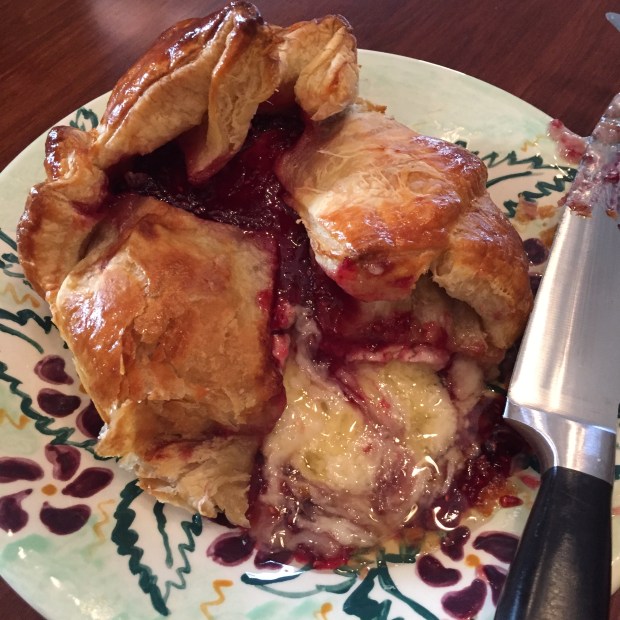
Baked Brie in Puff Pastry

Initially we wanted to have cranberry relish baked in it BUT I didn’t have enough. Instead we used our usual raspberry jam. Such decadence only makes sense when shared.

IMG_2188

Pate and Figs on Crackers

This was Amani’s craving contribution that all of us tried and some liked more than others.

Linner (Lunch/Dinner at 3:00 pm)

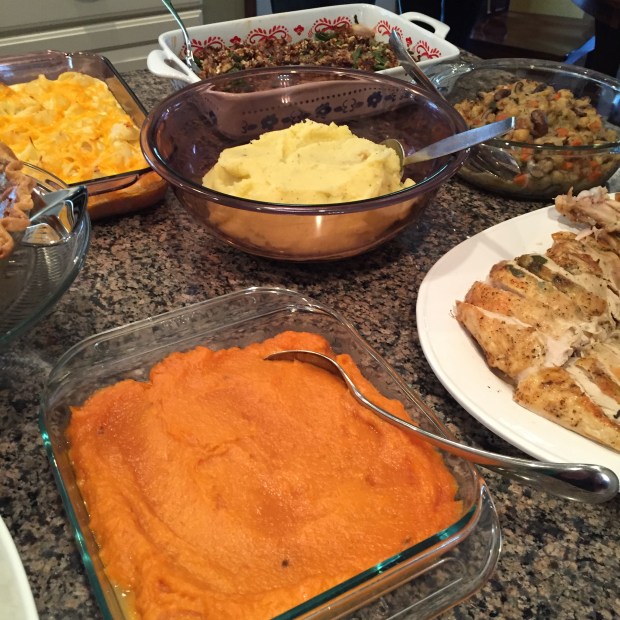
Turkey

Ignoring all the noise surrounding how to cook the bird, we just salted a fresh bird over night (with herbs and olive oil). This was the first time we had a fresh bird. Loved it. This will be a new tradition.

IMG_2194

Gravy

Braised turkey neck, liver and heart with celery, onion and carrots. Rachel cut all the meat into little pieces to be included in the gravy. Yum.

Stuffing

A doctored-up Pepperidge Farm stuffing. Nothing special just classically familiar flavors.

IMG_2195

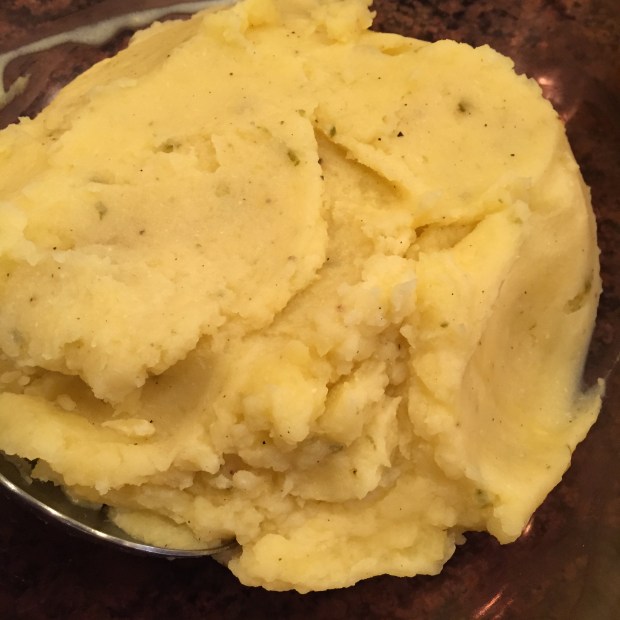
Mashed Potatoes

Creamed with buttermilk and two roasted jalapenos from Dennis and Rachel’s summer garden.

IMG_2197

Green Beans

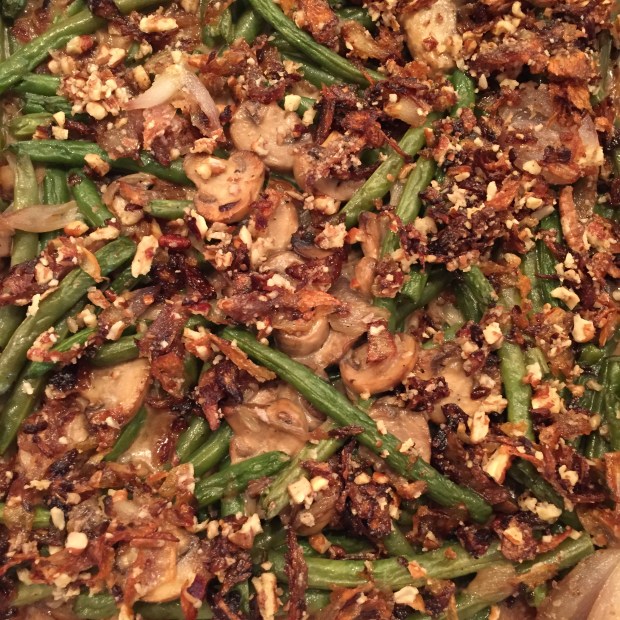
Cooked with shallots, mushrooms and cream. This was a dish I’ve made four times, a regular item that I’ve cooked better before. A “non-experiment” that didn’t work the best. It needs to soften a bit more before we have it for leftovers today. Otherwise, still good for future Thanksgiving meals.

IMG_2196

Fried Okra

Not usual on the Thanksgiving table but should be. Rachel brought her garden grown, home fried and frozen veggies with her. Very much appreciated.

Macaroni and Cheese

This was an experiment using a Saveur recipe. Ridiculous amounts of cream, half and half and cheese that only makes sense in a celebratory dish. The grated onion gives the dish more dimension than straight up mac-n-cheese. It even passed the Lucy, picky eater test! A successful experiment.

IMG_2198

Baked Sweet Potato

This was a version of Patti, Jim’s sister’s recipe. I didn’t use the topping because the dessert had the same topping. Otherwise, I thought of Patti as I looked at her Senator Russel’s Sweet Potato Casserole recipe. We all missed having her and her family at the table this year. I drizzled Maple Syrup on top instead. Really good. Both Ava and Atiya got seconds.

Rosemary Rolls

Store bought yeast rolls, egg washed and sprinkled with rosemary and salt.

Cranberry Sauce

Fresh cranberry simmered with sugar and orange zest. Ava washed and prepared the cranberries, a job Atiya graduated from.

Pecan Pumpkin Pie

My father loves pecan pie and my mom loves pumpkin/sweet potato. This Southern Living recipe reminded me of them. They couldn’t be with us but were in my thoughts. This may become a part of the Thanksgiving dessert rotation. Combines best of both pies. Except maybe next time I would blind bake the crust a bit first.

IMG_2191

Aware of so many struggling families in the U.S., I apologetically appreciate my abundant table heavy with tradition, experimentation, choices and guests in body and spirit. Delivering a meal to the local shelter on Monday doesn’t begin to show my gratitude.

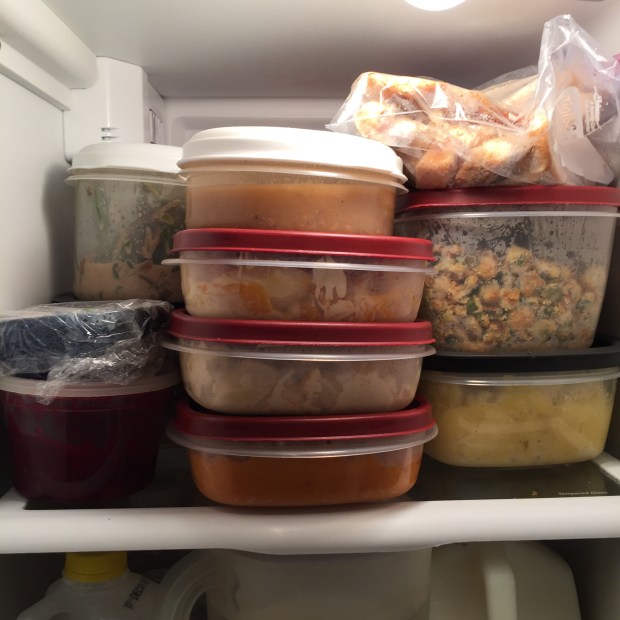
Now for my plate of left-overs.

Wishing all of you appreciative good eating with loved ones always,

Hungryphil

IMG_2199


Pop-Tart Makeover

51LtV-nCyeL._SY498_BO1,204,203,200_.jpg

This recipe dedicated to my best friend and partner in food adventures and binges, Jim, is from Emilie Baltz’s fun and fantastic book: Junk Foodie: 51 Delicious Recipes for the Lowbrow gourmand.

We rarely buy Pop-Tarts, Jim’s childhood breakfast of choice. Photographer, designer, foodie, Emilie Baltz includes the Pop-Tart in the Junk Foodie Pantry along with Twinkies, Little Debbie treats, Animal crackers and more. She describes the confection as follows:

Introduced in 1964, The Pop-Tart name was inspired by the king of retro art movements, “Pop Art.” These toaster-ready breakfast treats were not only hip, but advanced. The packaging was adapted from a process normally used for dog food packing. Delicious.

Here is the recipe for Pop-Tart Brunch Strudel

1 Apple Pie Filling

1 Handi-Snacks Cheese Dip

1 Brown Sugar Cinnamon Pop- Tart Crust

Cut top off Apple Pie. Scoop out filling and place to side. Smear Hand-Snacks Cheese Dip on one side of reserved Brown Sugar Cinnamon Pop Tart crust. Top with apple pie filling. Cover with other half of Pop-Tart crust. Cut edges off to form a net rectangle shape. Serve.

Look up the website and book for 50 other recipes. The vivid and amazing images are very convincing and I almost want to try a few of the recipes. I am curious. The book is a beautiful exercise in re-imagining ingredients for someone raised without junk food (and a French mother).

Here is an image and review of pumpkin pie Pop-Tarts, from http://www.cookiemadness.net/2010/09/frosted-pumpkin-pie-pop-tarts/

pumpkinpiecrosssection.jpg

For those of you horrified by the above inventive, artificial, and industrial product  recipe, here are a few recipes for home-made pop-tarts

http://sallysbakingaddiction.com/2014/09/03/homemade-frosted-brown-sugar-cinnamon-pop-tarts/

http://smittenkitchen.com/blog/2010/04/homemade-pop-tarts/

http://www.cookingclassy.com/2014/05/homemade-pop-tarts/

Wishing you a wonderful Thanksgiving ahead whether your taste is lowbrow, highbrow or high-low home-made,

Hungryphil

Food Story Telling

Emilie Baltz’s work blossoms around food as story telling, as an emotional experience shared yet intensely intimate.

In this video she talks about love stories through food.

The first story is a about a chef’s childhood story about having to kill and eat his favorite pigeons. So his definition of love was sacrifice. The dish conveys a bittersweet physical experience of his emotion.

Love is about discovery for Moto chef in Chicago.

Love is boundaries for  Isa chef, Ignacio in NYC.

Watch below to hear and see the food stories about love.

How would you tell your food story of love?

The Abalone Bowl (Kostow-Mahon)

ceramics-christopher-kostow-bowl-620x699.jpg
The Abalone Bowl

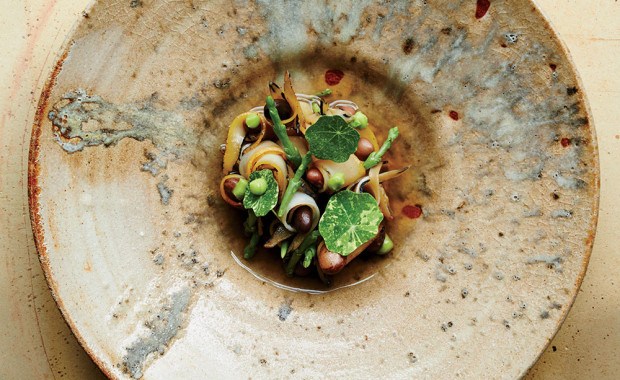
I love the story of this bowl created in collaboration between Chef Christopher Kostow and artist Lynn Mahon. Here is the Bon Appetit article about the design of this dish that aims to look “like the bottom of the sea.”

Why veer away from the pristine  clarity of white porcelain that highlights the textures and colors of the crafted culinary delight? These collaborations between container and contained marks an investment in the emotive and atmospheric mood of eating. This design philosophy does not limit food to taste alone, like functional design. Instead it aspires to invoke a particular feeling, like art. In the case of the Abalone bowl, a sense of textured and fluid oceanic discovery.  It doesn’t flatly present the “geoduck course” (what is geoduck?) but becomes a participant, as the bowl’s clay has melted geoduck shells. For a better explanation, read the very short article by Belle Cushing.

It certainly makes me rethink the slow, artisanal, atmospheric, emotive and narrative role of updated “arts and crafts” tableware that invites collaboration between diner, ceramicist and chef.


http://www.saveur.com/article/Kitchen/10-Tabletop-Goods

http://www.bonappetit.com/entertaining-style/article/the-new-go-to-ceramic-tableware

Image from the Bon Appetit article: http://www.bonappetit.com/entertaining-style/trends-news/article/new-ceramics


What I learned from Red Velvet Cupcakes and Cabbage Rolls

In a moment of horror, I had run out of the necessary 1 and 1/2 tablespoons of red dye for the Red Velvet Cupcakes. Yikes! What are red velvet cupcakes without the red???  Chocolate cake with cream cheese frosting? Doesn’t sound right, does it? For the rest of the evening I distributed my out of uniform, yet delicious, cupcakes with an apology: “Sorry, they were supposed to be red velvet cupcakes.” I don’t know why I felt compelled to explain the aesthetic failure. Atiya and Ava seemed completely bored by my explanations while stuffing their beautiful little mouths. They didn’t share my categorical dilemma about the not-red, red velvet cake. So I learned that definitions in the kitchen do not matter as much. Maybe that’s why I like being in the kitchen. As long as its yummy, its good. Call it what you will.

I also learned that home-made cupcakes require more attention to the shopping list and more time for clean up.  A packaged cupcake needs: a package of cake mix, frosting, muffin tin, paper cups, one mixing bowl and two spoons. The home made version required the long list of ingredients (and the forgotten food coloring), one bowl for dry, one bowl for wet, the mixing bowl (washed and used again for the frosting), muffin tin, cups, piping bag, etc. The time involved in shopping and cleanup was considerably longer in baking cupcakes at home. It would be more realistic if a cooking show followed the host to the grocery store, through the cooking process AND the clean up. I need and have a lot of help with the grocery and clean up when cooking at home.  Thank you, Jim for doing three loads of dishes and going to the grocery store with me this weekend.  No single person can be expected to churn out a home made family meal. Cooking and eating must be a group effort.

When you do have help in both the food preparation and eating process, cooking at home can be a lot of fun. On a weekend, without soccer games, dance recitals or gymnastics, that is exactly what I did. Cook, eat, nap, repeat. We made:

Friday Night: Beef Stew and Popovers

I learned to add the carrots and potatoes later to keep them bright and soft, but not mushy. I learned how to make easy pop overs.

Saturday Morning: Popovers and Baked Eggs

I learned to add a spoon of milk to keep the egg moist in the oven. An easy way to make a lot of eggs at the same time.

We went out for Saturday dinner. We needed a break from the stove and the sink. It was a good dinner at a chain restaurant. Easy, predictable and somewhat affordable for a dinner for five. I know, not very “foodie” of us. Not-red Red velvet cupcakes taught me to not fixate on judgmental definitions, just enjoy. We each have to find our own happy comfort zone between cooking- not cooking, processed- fresh, local-global etc.

Sunday Morning: Blueberry Scones

We used blueberries we picked at a local farm over summer. So juicy and delicious. Dipped in maple syrup, even better. The scones with wheat and white flour were easy to make and almost felt healthy.

Sunday Dinner: Cabbage Rolls

I was trying to recreate a cabbage roll sold in our local farmer’s market. It is not something I grew up eating but I love the soft slow cooked cabbage and the filling of rice and ground beef. The textures of the dish are very familiar while the flavors without the spices are very different. I wasn’t sure what recipe to use or even what food term to search (similar to my red velvet cupcake dilemma). I learned that there are many versions, including Polish Golabki and southern. I ended up using what I had on hand like diced tomatoes instead of tomato sauce, I added sauteed bell pepper along with onions and carrots in the meat-rice mix. I learned a new technique of dipping the cabbage head in hot water and peeling away the leaves. That was fun. I can’t wait to try to make the dish with Bengali spices. I remember eating beef and cabbage curry. That would be an interesting twist on cabbage rolls.

The cupcakes and the cabbage rolls taught me to focus on techniques and taste instead of definitions and recipes.

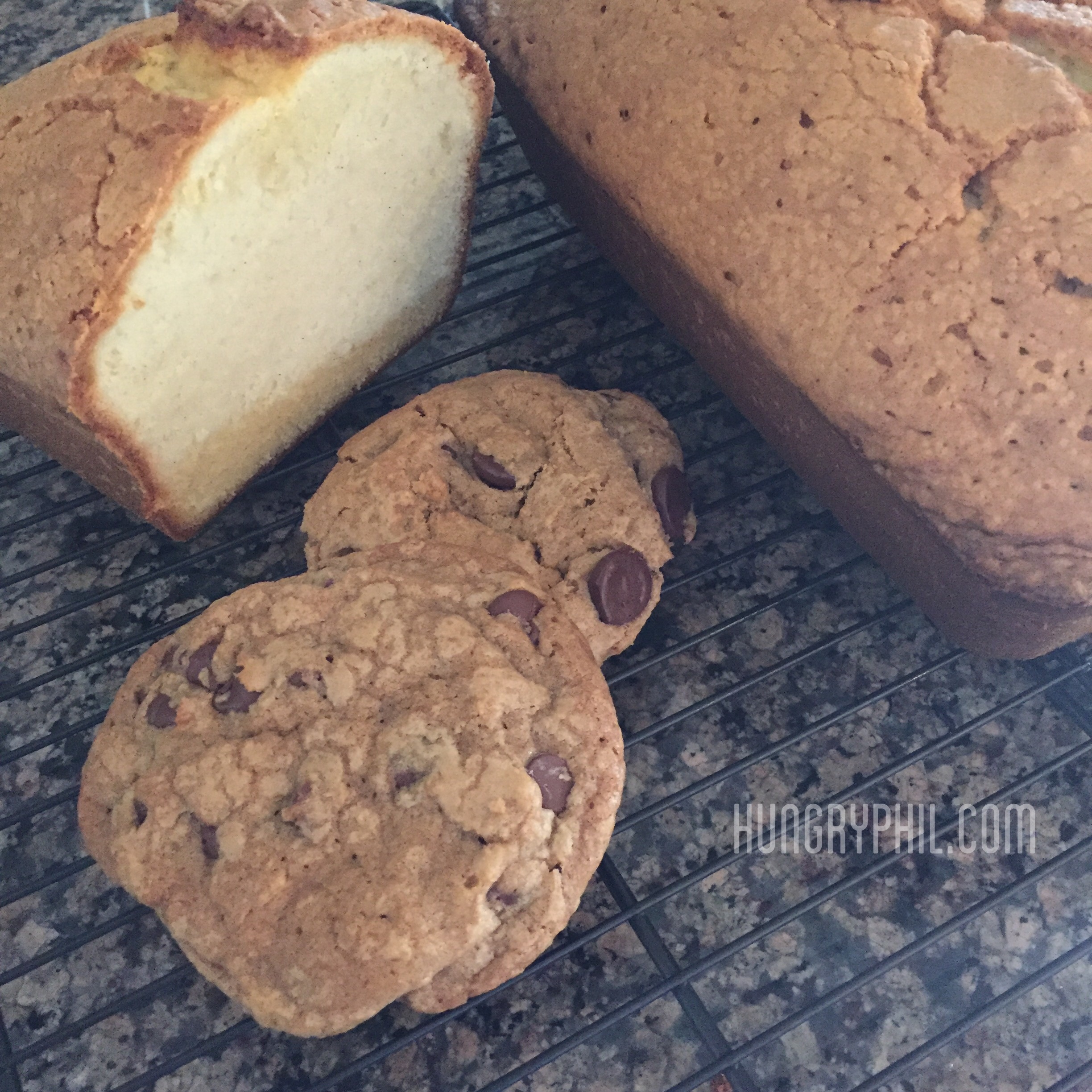
Oh, and I also made pound cake and chocolate cookies to send to my niece. Recipes I tried before and stayed true to (except for the cookies I tried different kinds of chips).  Elvis’ favorite pound cake is now my favorite too.

Yes, there was a lot of cooking, baking and dish washing this weekend. I wonder what’s for dinner tonight? Maybe a one-pot easy stir fry.

Hope your weekend was delicious,

Hungryphil

Dichter’s Dinner Dialectic

51ceV3olAQL._SX321_BO1,204,203,200_Laura Shapiro’s Something From the Oven: Reinventing Dinner in 1950s America, fascinatingly charts the love-hate encounter between industrialized, packaged food, and American women. Prior to talking about ‘glamorizing’ as the ultimate strategy that made packaged foods acceptable, Shapiro describes the industry strategy to promote culinary “creativeness” to justify canned, frozen, packaged foods. The casual American 1938 Fiestaware with multiple colors also embraced the same psychological principle aimed to turn housework into creative art. Shapiro explains psychologist Ernest Dichter’s influence, who used Freudian theory in the context of consumerism, as follows:

Dichter’s major contribution to packaged-food cuisine —- was an approach to cooking he called “creativeness.” He spelled it out in the form of a dialectic.

Thesis: “I’m a housewife.”

Antithesis: “I hate drudgery.”

Synthesis: “I’m creative.”

Dichter’s chief example of the dialectic in action was the house wife who used canned foods to save time and effort but never, ever served them right out of the can. Instead, she developed a skill for “doctoring up” the contents, thus convincing herself she was personally involved in preparing the meal. “She may spend less time in the kitchen and she may buy canned food,” he wrote, “but she makes up for it by greater creativeness.” This analysis proved to be an immensely useful concept for the food industry. Creativity was the personal touch that would turn an ordinary dish into an epicurean one, and creativity was how women trained in political science or ancient Greek would find complete satisfaction in housework. Above all, creativity was the fairy dust that would transform opening boxes into real cooking.

This makes me think about what packaged foods I buy in the conflicted context of Micheal Pollen’s advice to “Eat Food. Not too much. Mostly plants.” My pantry is filled with canned coconut milk, condensed milk, evaporated milk, dried pastas, tahini and various sauces. I also have pancake mix, a few soups (not for cooking), broth and stock. In my freezer, aside from frozen vegetables, I have frozen puff pastry, parathas, rolls, emergency chicken pot pies and florentine, hashbrowns, sausages, ice cream and more. It seems my packaged products fall into two general categories, as ingredients in a recipe or a complete snack/meal. Either the packaged item is completely transformed or minimally garnished and eaten as is. I haven’t been trained to doctor, only to cook or not to cook. To take creative credit or not. To outsource the culinary thinking to the food industry or own it.  I concede that convenience, not creativity determines my strolls through the freezer and boxed item aisles. Those aisles don’t ask me to think. Maybe that’s the point. Maybe that’s why Pollen advises to shop the perimeter of the grocery store and avoid the center.

What fills your cart and why? I wonder what a similar study, as Shapiro’s, would reveal about us today.

Two Minute Chocolate Cake tastes like …

…well, two minute chocolate cake. Good for a chocolate craving emergency. I used the Lucky Peach Magazine recipe Here. I had white chocolate chips instead of chocolate chips but that should not have affected the cake consistency. Good doused in ice-cream but still a bit odd and chewy. Try it for yourself and let me know. Maybe the microwave is to blame. Baked the two minute batter in a 350 oven for half an hour. Still, good flavor, strange texture. Fun to watch erupt in the microwave.

IMG_2152 IMG_2151 IMG_2150 IMG_2149

What constitutes a failed recipe?

  1. When the end product following the guidelines does not correspond to the image or expectation?
  2. When the instructions are not followed or understood?
  3. When the instructions are not clear?

Recipes are an odd conceptual category between practical instruction and theoretical consistency. The material threat of subverting conceptual clarity as any humble cook knows is very high. Altitude, humidity, quality of ingredients, interaction of ingredients, measurement discrepancies, tools used, water quality, everything contributes the supposed success of the recipe (not to mention subjective tastes). Recipes should be used as a list and an ontographic map towards a particular gastronomic experience that someone else found. If we want to reach the same destination, we need to follow the directions as best we can. We can never know if we arrived at the exact taste location (unless we are recreating a known or familial taste). Good recipes give us skills that take us to different related places, like my favorite zucchini bread or chocolate chip cookie recipe. How you relate to recipes is a philosophical preference. Do you nervously follow every detail, blame the recipe if it doesn’t meet expectation, blame yourself and accuse your skill level, blame the ingredients?  A lot of anxiety related to cooking comes from relinquishing too much power to the recipe.

I enjoy trying recipes and watching the process of either supposed success or failure. I say “try” because I rarely exactly follow a recipe. Here is another experiment from the weekend that I would say was a success.  The pancake recipe from Southern Living advised not to beat the ingredients vigorously together with an image that showed very lumpy batter and gave instructions on when to flip the pancake.

“Cook the pancakes 3-4 minutes or until tops are covered with bubbles and edges look dry and cooked.”

This is a good example of object oriented material thinking. It is not only a measure of time but an assessment of how the ingredients are reacting together. Even with these gentle guidelines, I found it tricky to modulate the heat of my cast iron pan so that the bubbles would form just in time the edges and bottom turned golden, not burnt. Some batches were better than others. Ironically, the first two (usually the worst) were the best. Delicious pancakes. Fluffy, flavorful, buttery…oh yes…very buttery, crispy edges. Thank you, Southern Living recipe writer and tester.

IMG_2148 IMG_2147

Then there are delicious dishes that need no recipe, no introduction. Just yummy. Ugly maybe, but so yummy, like my fried egg with bread, marscapone and raspberry jelly. Just dip and enjoy. Or Brie and jam baked in puff pasty. Gooey melting cheese that lazily spills out of flaky pastry. Puff pastry makes everything decadent and as Atiya would say, regal.

IMG_2153IMG_2154

That’s my weekend report. It was delicious.

Next time you cook, call it an experiment in material philosophy.  Notice how you feel and make decisions when things work and when they don’t. Then, come back and share your experiences here with other hungryphilosophers. No judgment, just awareness.

Wishing you a wonderful and delicious weekend ahead,

Hungphil

Global Food|Local Perspectives Symposium (Follow up)

This afternoon we were treated to an insightful conversation (and delicious tastes), thanks to Kera Lovell, Dr. Simone Cinotto, and the panelists. It was a perfect example of a global community of considerate hungry philosophers coalescing around a table of diverse international, transnational, post colonial, immigrant and local tastes.

Dr. Simone Cinotto opened the symposium with a multidimensional talk addressing the unique immigrant conditions that included class, race, policy and lead to chicken parmesan and spaghetti and meatballs on the The Italian American Table.

The first panelist, Kirsten, shared sausage pasta (sausage sourced from Sheep Dog Farms) and the challenges of developing the menu around local produce and concerns of food sensitivities, of the dominance of standardized processed foods, of her own evolution as an eater, a farmer and as a restaurateur of La Scala and Restauration.

Next, Minal talked about the difficulty of procuring spices and Indian ingredients, about moving to West Lafayette, about the diversity of her menu and the value of authenticity, about her joy in serving the student community through fun snack foods, like the samosas she offered from Shaukin.

Finally, with two beautiful Thai desserts Chef Ake spoke of constant learning, of food waste, of social media and reviews, of Thai culinary history and of running Thai Essence.

It was certainly one of the most interesting (as it was supported and/or attracted multiple different disciplines that included Hospitality and Tourism Management, Linguistics, Italian Studies, American Studies, Interdisciplinary Studies and more) and definitely the tastiest symposium I have ever had the pleasure of attending.

The Thai desserts were very new to me. Loved them. One was a cross between a cake and a custard, while the other sweet egg flower dessert was very delicate. Both beautiful. I’ll have to learn more about those. I’d also like to learn more about the farms that Kirsten sources her produce and meats from. I’d like to conduct a “tour of India” through Minal’s regional snack foods and discover the seemingly familiar anew. I’m ready to learn more. And eat. More.

Excellent organizing and curating, Kera!

For those of you unable to attend, please support these local establishments, stretch your mind and your stomachs. For those of you far away, please support your local restaurants that work hard to create fresh delicious experiences. Try something different. Give a new taste a mouth hug. Spread the curiosity and joy.

May we all together cultivate a community of considerate consumers (sorry, couldn’t help that easy alliteration).

Wishing you a flavorful weekend ahead,

Hungryphil

#globalfoodpurdue

Favorite Food Infographics

1. Season cycle for fruits, vegetables and herbs

enhanced-11604-1421176898-11

2. Basic soup recipes

enhanced-12844-1421163707-1

3. How to filet a fish

enhanced-5394-1421169121-11

4. What to do if a dish is too spicy (this happens to me a lot)

enhanced-13896-1421162914-7

5. Gram conversion chart

enhanced-20164-1421100562-16

6. Aromatics combinations

cook-smarts-guide-to-building-flavor-with-aromatics-vertical_54500eac32de8

For full view of info graphics, click on these websites!

http://www.buzzfeed.com/christinebyrne/cooking-charts#.rggvv80xvJ

http://lifehacker.com/top-10-food-infographics-to-hang-in-your-kitchen-or-sav-1614605265