Delicious culinary culture clash

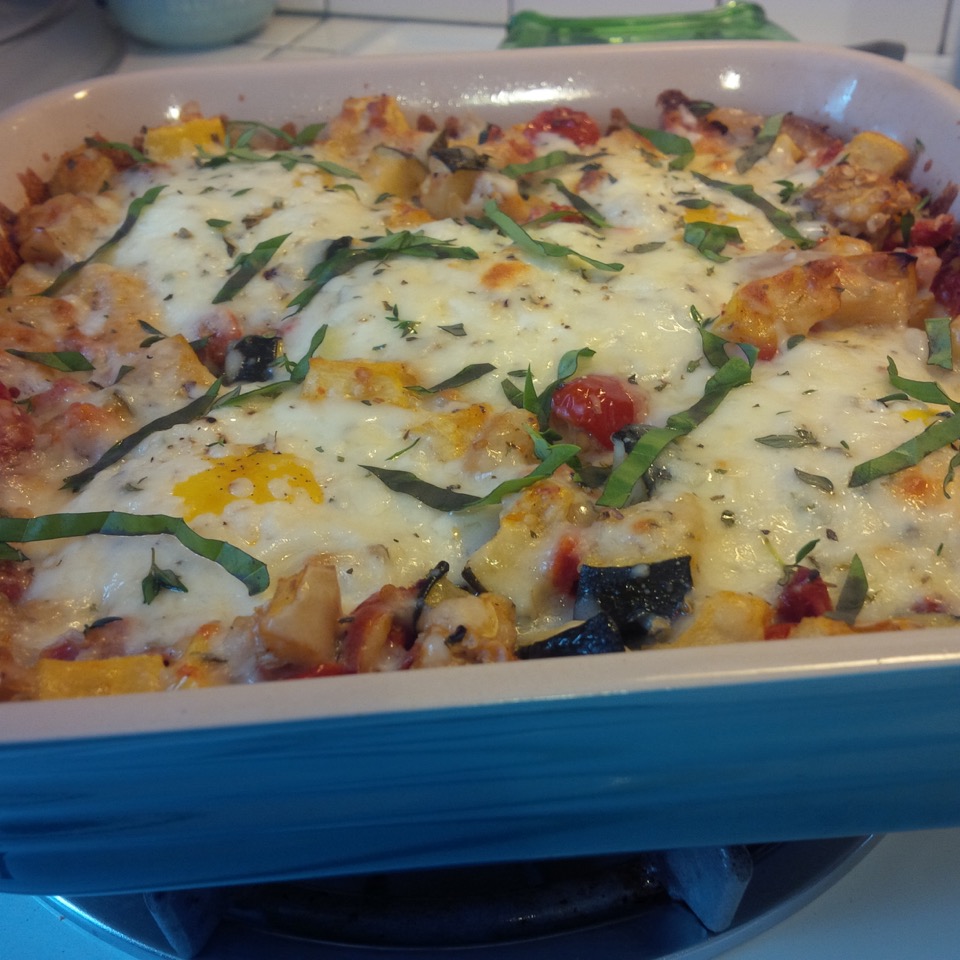
Quick confession: Cooking is my preferred method of procrastinating.  Productive, creative and when not obligatory, cooking can be relaxing. Today the weather returned to November grey after a few unusually warm and bright days this week. Feeling under the weather in body and spirit, I allowed myself a day in front of the television menu planning for  Thanksgiving vacation.  As I was sorting through my stack of tagged food magazines, I found this Mushroom Stroganoff recipe from the fall issue of Southern Living. Seemed like the perfect day for comforting carbs and cream. The combination of paprika, black pepper and garlic soothed my throat. But.

I found myself also craving the completely opposite flavors of a Moroccan style vegetable curry (my friend Sue was on to something when she picked this as her go to comfort food). The smokey, sweet, almost lamb stew like flavors of ras el hanut spice over slow roasted eggplant and squash is decadent yet guilt-less carb and cream-less comfort. Not the prettiest dish on the table but oh so good. Since no water is added, the vegetable juices all combine into an unctuous stew. With no dates on hand I used raisins for the surprise bites of soft sweetness. Ironic that I would make such an odd dinner combination, as I was planning the menu for Thanksgiving.

For Thanksgiving, the traditional menu is already set with the usual suspects of Turkey, Gravy, Potatoes, Stuffing, Bread, Green Beans and Pie. The only question is which recipes to use. The Southern Stroganoff – Moroccan Tagine combination makes no sense except for me, on this very dreary day. I suppose my unsuspecting family can either choose one or the other mode of comfort food, or follow my lead and load up on both. Can there be too much comfort in the world?

Categorical culinary consistency is so boring isn’t it? I wonder how I can use this experience for Thanksgiving? Or maybe I shouldn’t mess with constructed tradition….too much :o)

Do you stick with Thanksgiving tradition, tweak tradition, or try something different every year?

Food Stories – Amber Davis from the EMT – Emergency Munchies Truck

IMG_20150719_134018

The Emergency Munchie Food Truck or EMT truck runs on owner Amber’s ideal of scratch-made vegetarian comfort food. The food she considers emblematic of her philosophy is Vegetarian Lasagna with a white cream sauce and roasted vegetables, other examples would be Poutine and Indian sweet potato and chickpea curry. All of her examples are hearty, luscious, flavorful and vegetarian. 

IMG-20151103-214623

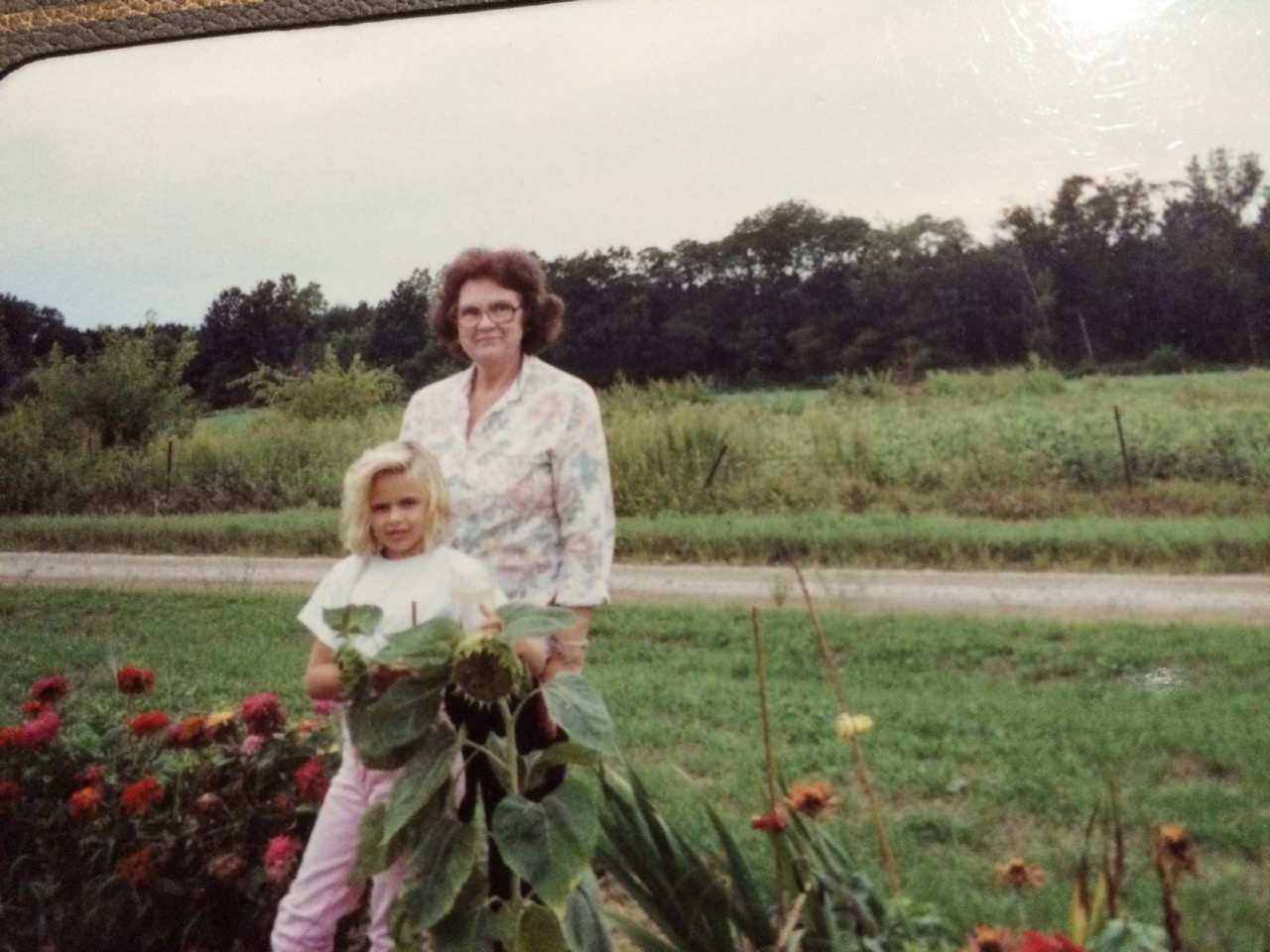
With her grandmother on the farm

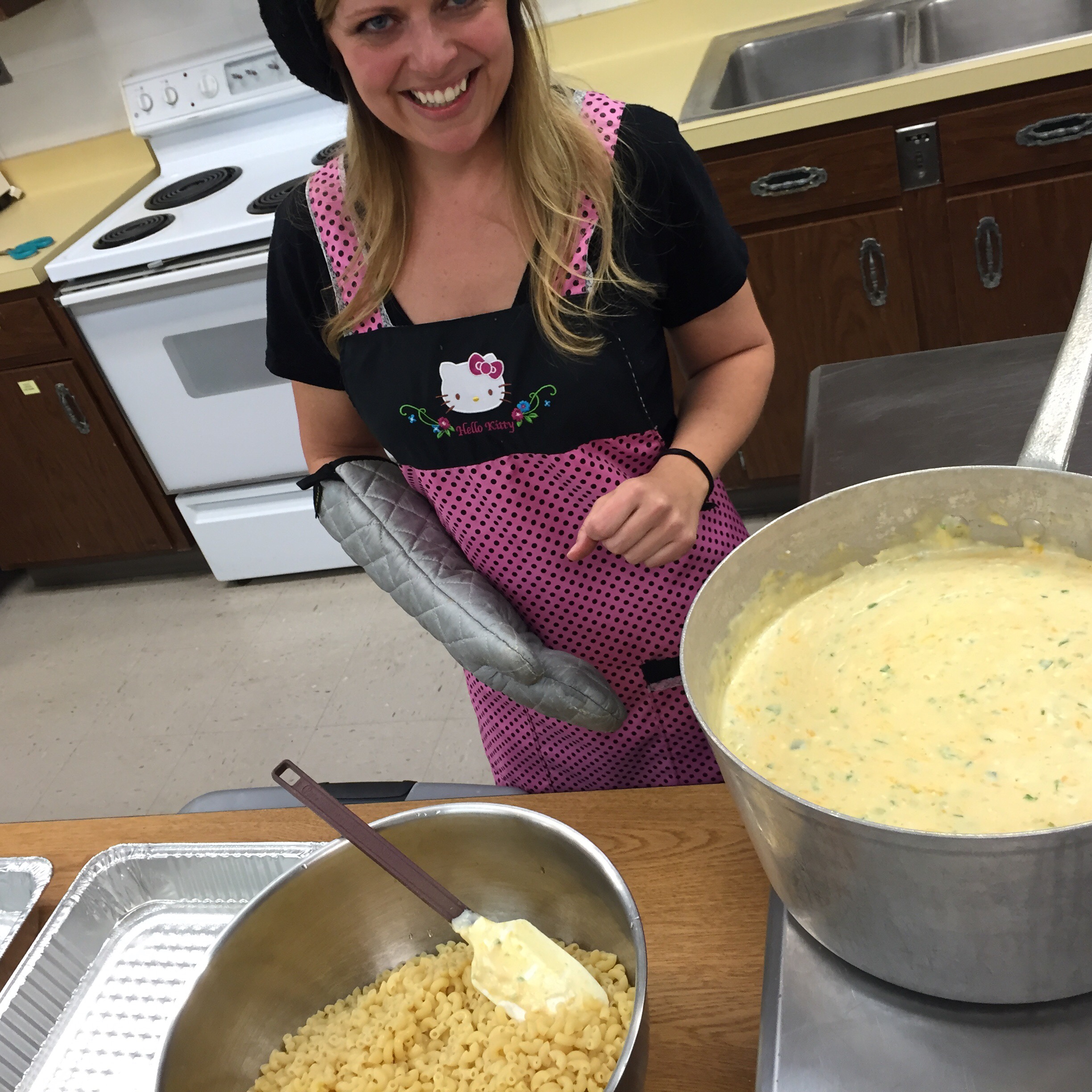
The duality of Midwestern practicality and her own playfulness are childhood gifts from the strong, supportive women in her life. She remembers visiting her paternal grandmother who lived on a farm and had kitchen counters full of rising dough. There she discovered the joy of experimenting with gathered ingredients. From her working mom and grandmother she learned the practical comfort of casseroles. As the only vegetarian in her family she found herself challenged to make hearty comforting dishes for meat eaters without making vegetables mimic meat. Her menu for the food truck include traditional comfort foods in vegetarian form such as, Chili Blanco, Waffle Melts, the “B” Burger and the Mac Nugget Poppers I found her preparing in the kitchen during this interview. All her recipes combine peppery heat, grilled warmth, melting cheese and fresh veggies.

 Amber Mixes the Mac and Cheese

Although she grew up and now lives in Indiana, she also lived in Florida and California before returning. She loves to travel, experiment with new recipes for her family and garden at home. Gardening, cooking and travel are common foodie side affects.

IMG_5085IMG_4996

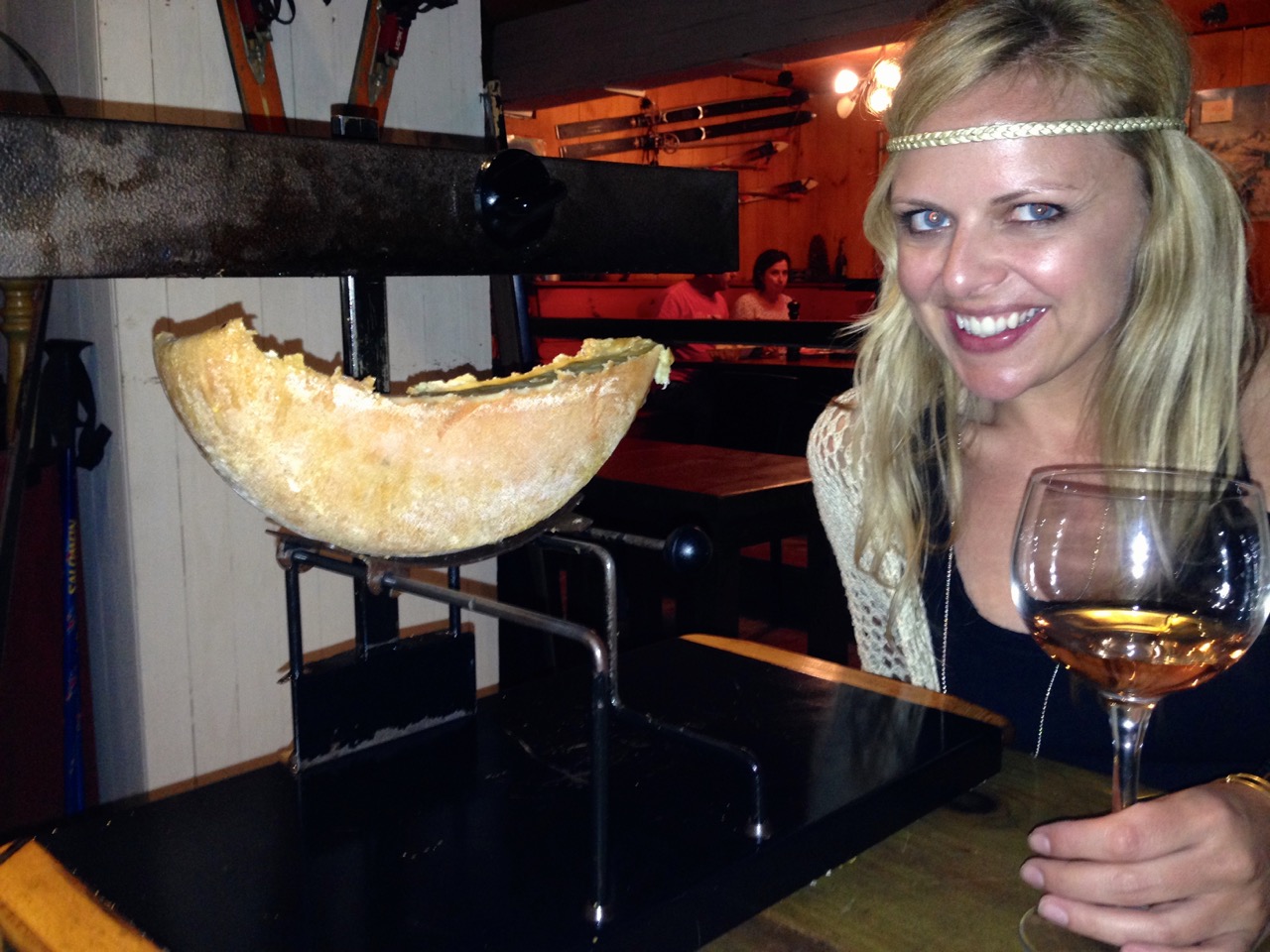
Amber with a wheel of cheese at Le Chalet in St Martin, a Swiss Raclette restaurant. And, a plate of fresh veggies by the beach.

IMG_0345IMG_2067

Fruits of Amber’s Garden

IMG_20141128_141746IMG_1614IMG_20150829_220905

From Amber’s Home Kitchen

She ascribes her attention to detail, branding and style, having managed the Reeda Todd Salon in Indianapolis for years. The design of the food truck experience combines the simplicity of the color black with the square shape and extends from the shape of her waffles to the recyclable, biodegradable service items. The idea of the food truck itself is a combination of a late night fantasy for an emergency ambulance delivering comfort food with a very practical and healthful approach to eating. A former ambulance, the food truck embodies the theme of an urgent need for culinary comfort.

She doesn’t actively market the food truck as vegetarian or vegan or the fact that she sources locally. Instead, she insists on the idea of comforting updated traditional treats with a personal commitment: “I don’t want to serve people what I wouldn’t eat.” And, I must say she has good taste. If you’re in the area try hungry philosopher Amber’s tasty strategies to eat the irony of mid-western vegetarian comfort.

IMG_1823

This summer I enjoyed a quick afternoon snack at the EMT Truck with my daughter at the West Lafayette Farmer’s Market: Sweet Potato Fries, seasoned with cinna-spice, served with chipotle ketchup sauce alongside a cool refreshing lemonade. Notice the square produce basket and the checkerboard pattern. Nicely and deliciously done.

Dear Hungry Philosopher Amber,

Thank you for sharing your story and pictures!

Wishing you more cheese wheels and fresh vegetables,

Hungryphil

Broccoli Stem Dal – Home Food Waste Rescue

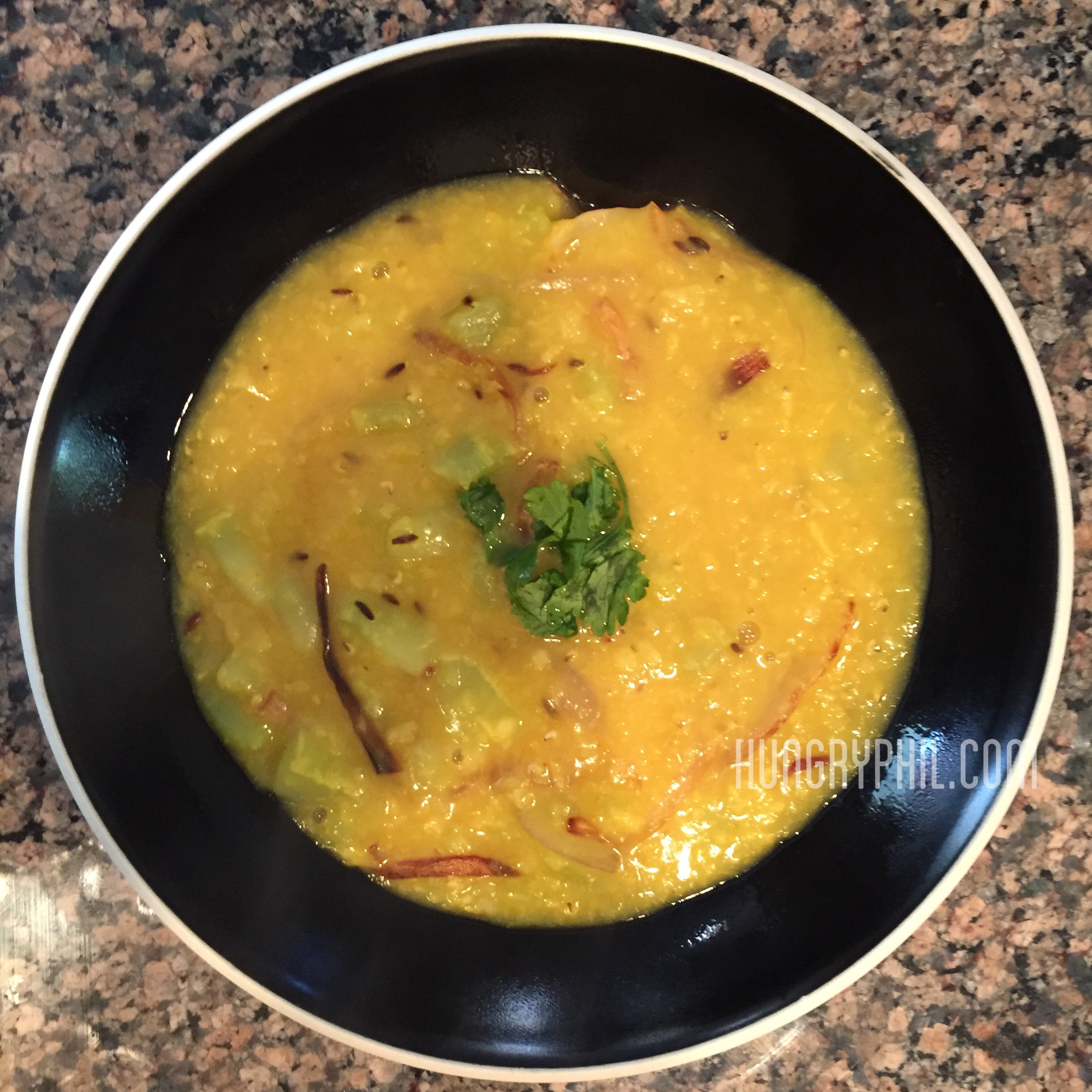
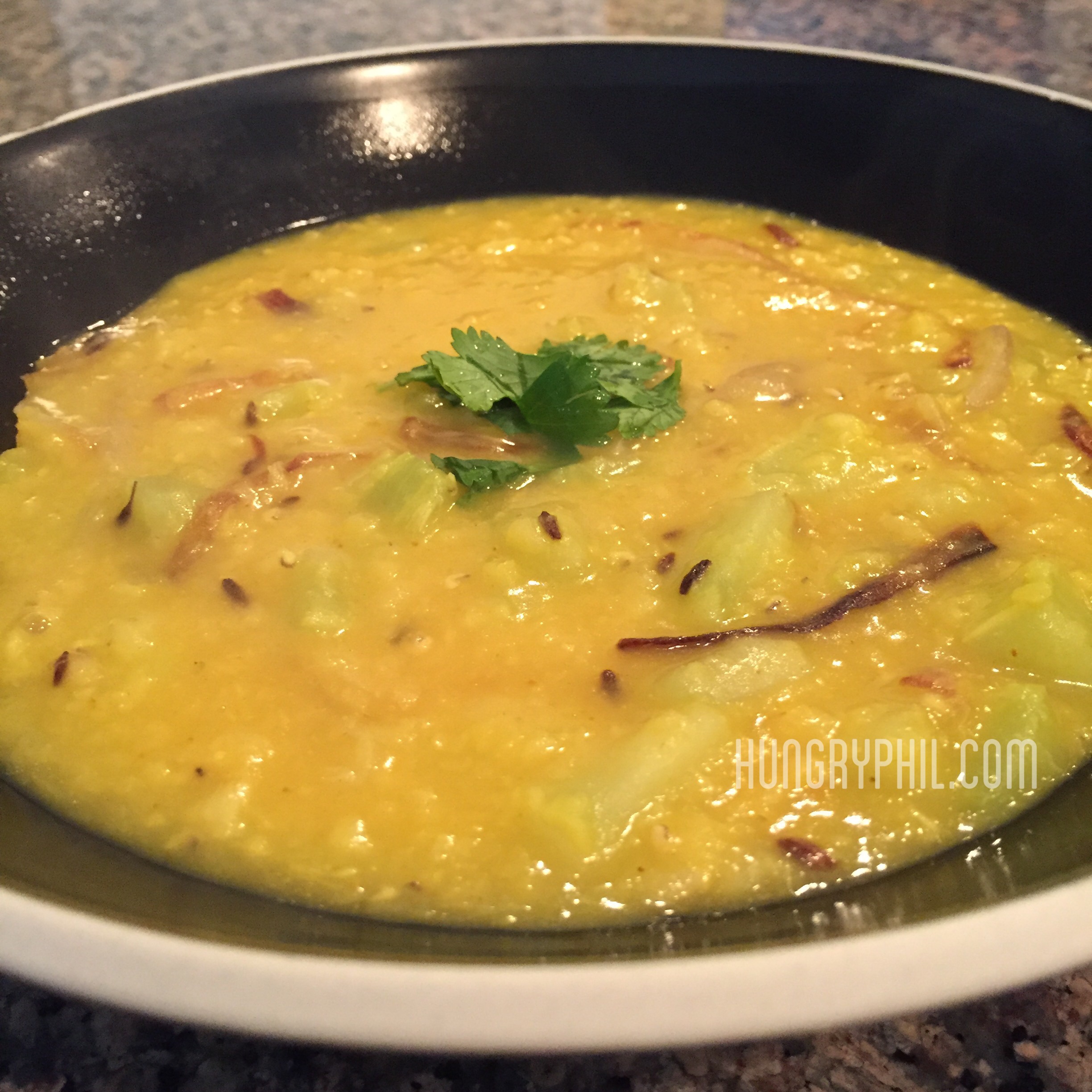
At the Global Food/ Local Perspectives symposium a few weeks ago, Chef Ake lamented the waste of broccoli stems at his restaurants. His comments reminded me of a recipe from my sister, Moli, who would cook the stems with dal (lentil soup). Here is my version:

1. I started with a bunch of sad broccoli stems saved from another meal.

2. Like any unappreciated thing the stems are tough and thick on the outside but crispy and juicy on the inside. Using a paring knife, carefully carve away the ugly sadness.

3. Dice the juicy happy centers.

4. In a pot, place the diced stem ( I had a cup) with a cup of any small lentils you have. I had yellow and red lentils. Cover with at least double amount of water or broth. Add more or less liquid depending on how thick you like your lentil soup.

5. There is debate about when to salt lentils. Some say salt prevents the lentils from breaking down. I don’t know. I always add the tumeric and salt after the lentils soften.

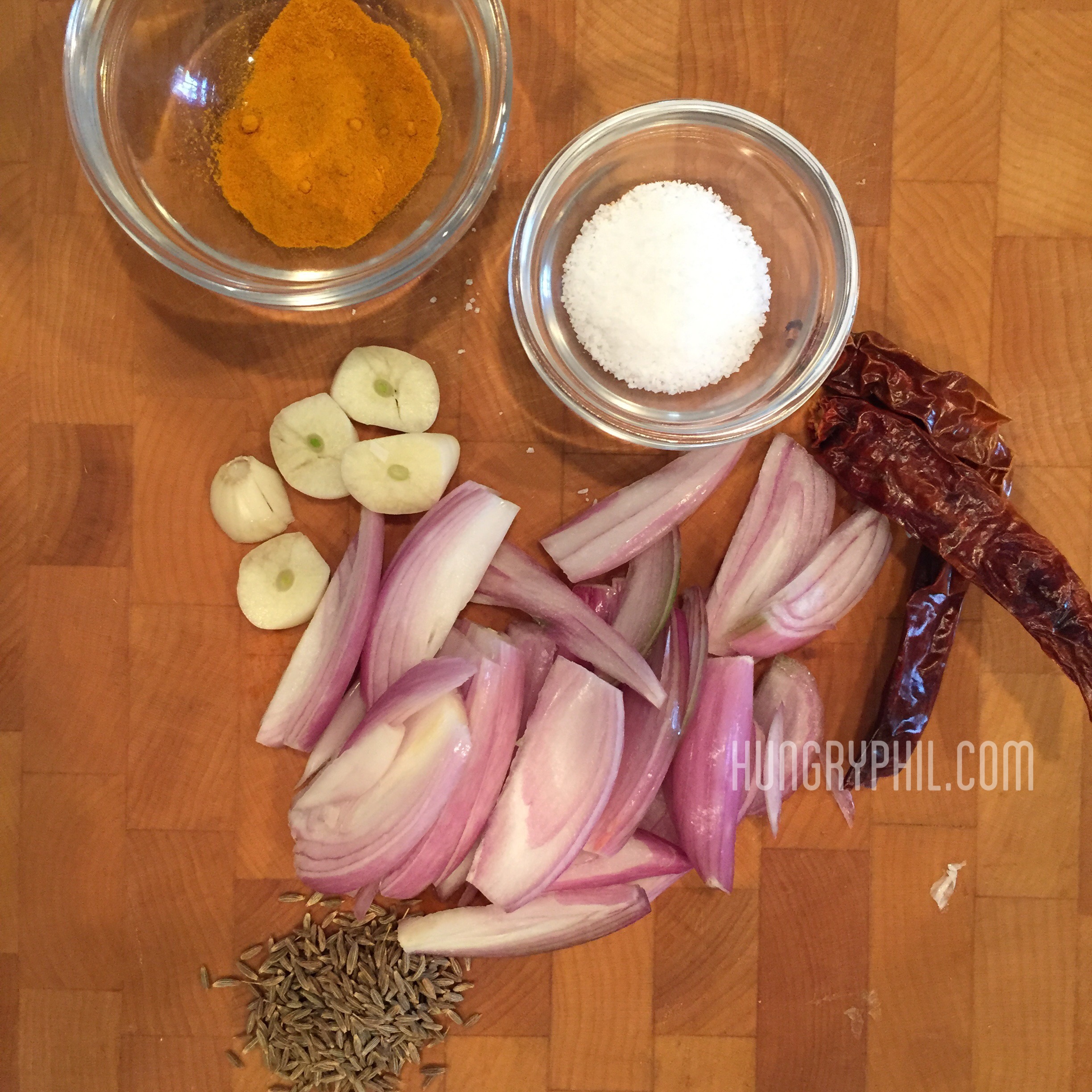
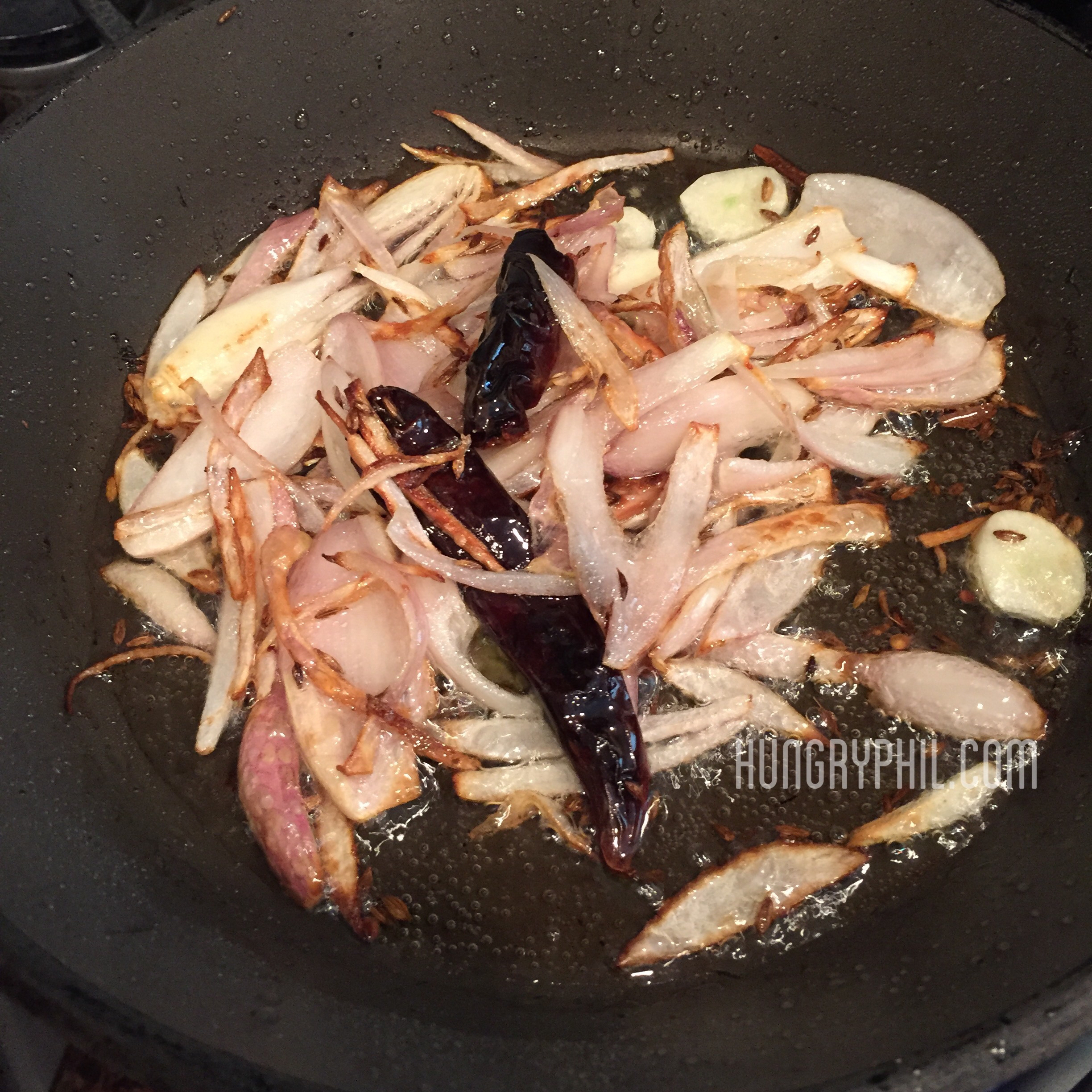
6. Once softened, add salt to taste and about a teaspoon of tumeric. Saute cumin seeds, onions or shallots, dried chilies and garlic in 2-3 tablespoons of vegetable oil.

7. Pour the roasted shallot mixture over the cooked lentils and broccoli stems.

8. Enjoy with rice or bread, a squeeze of lemon and sprinkling of cilantro. Perfect for fall weather. The roasted onions and cumin give the dish depth and smokiness while the vegetable lightens the thick lentils.

Deep in Our Refrigerator – Food Poem by Jack Prelutsky

Deep in our refrigerator,
there’s a special place
for food that’s been around awhile…
we keep it, just in case.
‘It’s probably too old to eat,’
my mother likes to say.
‘But I don’t think it’s old enough
for me to throw away.’

It stays there for a month or more
to ripen in the cold,
and soon we notice fuzzy clumps
of multicolored mold.
The clumps are larger every day,
we notice this as well,
but mostly what we notice
is a certain special smell.

When finally it all becomes
a nasty mass of slime,
my mother takes it out, and says,
‘Apparently, it’s time.’
She dumps it in the garbage can,
though not without regret,
then fills the space with other food
that’s not so ancient yet

from: http://www.poemhunter.com/poems/food/page-1/37365112/

IMG_2055

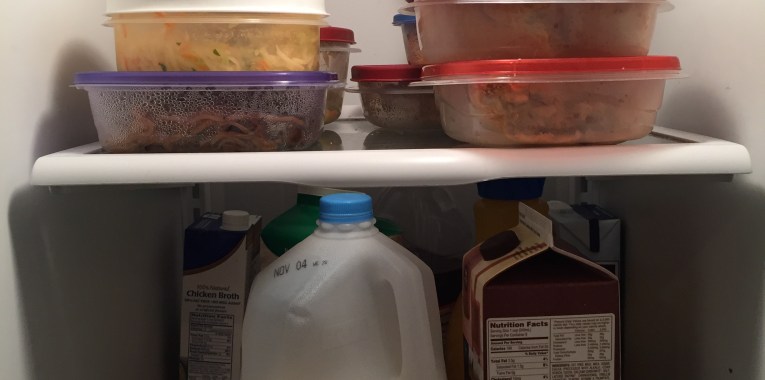
I have long struggled with this question about when to let go of left over food. There are times, as I am filling a container, I know that the contents will not be eaten. Ever again. I can either throw it out right then and avoid clogging up the refrigerator or I can with a guilty heart keep the unwanted leftovers to throw out another day. As if, the waste becomes justifiable when allowed to form mold that absolves us of guilt. Of course, It’s the mold’s fault I have to throw it out, not my own wastefulness. All of us make these decisions when asked at a restaurant “do you need a container” or when we cooked too much or not very well. Confessedly, there are many times I’ve thrown out edible but unfortunate cooking experiments hoping to make the evidence of my failure disappear as quickly as possible. Other times I’ve saved a meal so I might transform it into a different meal. Most often the celebrated left-overs get divided into lunch containers and taken to work or frozen. Left over delight lunch becomes own very own homemade buffet experience. Often I ask Jim to share left over baked goods at work. Some foods are easier to share or easier to waste than others. Each dish, meal has its own waste potential that varies according to who eats it. I haven’t found my rule or criteria, yet.

What criteria do you use to throw food out? To waste? What’s in your refrigerator now?

Bengali Sweet Yogurt (Mishti Doi)

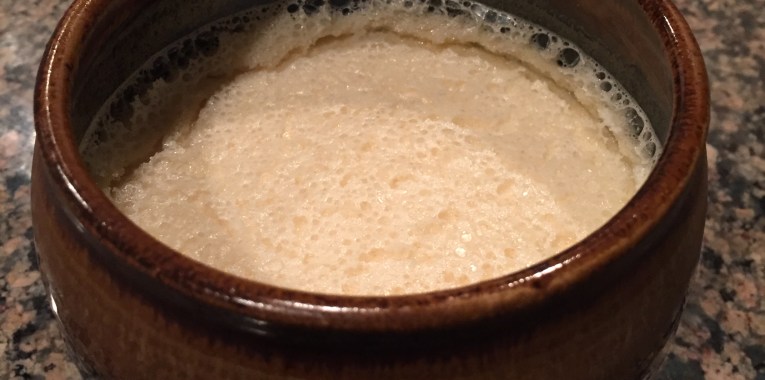
This is a sweet, smooth, tangy custard-like decadent yogurt recipe from my “cooking is a four letter word” sister, Cycee. It is magic.

1 can evaporated milk + 1 can condensed milk +1 cup plain yogurt = Blend, then pour in separate ramekins/bowls or a 9×9 baking dish. Set in a low temp oven 175-200 degrees for at least two hours.  Refrigerate once set and cool. Enjoy.

IMG_2056

Dear Atiya,

You said you could have this yogurt everyday. Now you can make that happen!

Love,

Your Hugryphil mom

4 Weekend Cooking Experiments

Hungryphil here, reporting on this weekend’s cooking experiments, the victories and defeats, the yummy and not so yummy.

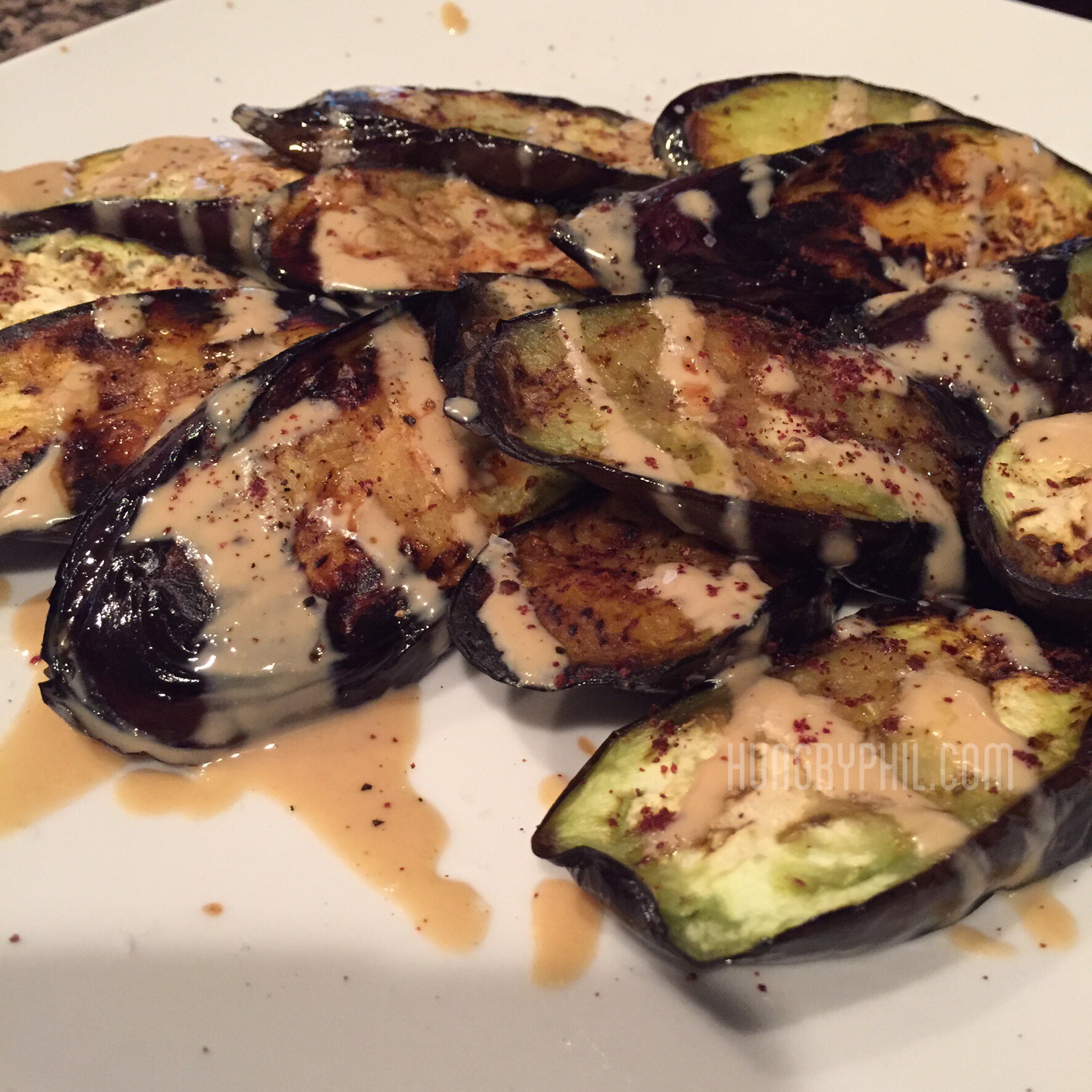
First up, Friday’s Fried Eggplant with tahini, balsamic drizzle (and a sprinkling of salt, pepper and sumac) Good taste but could have been cooked more. You can see the uncooked piece by the watermark. Still worth trying again. I liked the nutty smoothness of the tahini with the acidity of the balsamic.

Saturday and second, I attempted to make Bangladeshi “hat roti” (like a tortilla but softer and without fat in the dough). It is made by pouring the flour into boiling water, cooking it enough to absorb and rolling it out without the addition of much extra flour. When done correctly, it is soft, delicate, pillowy, warm, and wraps around halwas (sweet grain, nut or fruit paste, bars) or bhajis (dry vegetables) perfectly. It is a craft and a skill. I failed :o(

I tried pouring boiling water into a food processor with flour in the bowl in order to avoid the whole kneading a ball of hot dough with my hands unpleasantness.  Didn’t work. This will have to be a regular practice of skills, like making a colorless french omelet.

But. I did make the best paratha (a flaky fried flat bread) with the dough. The layers were light and crispy because there was no fat in the dough itself, only between the layers. From now on, this is how I’m making paratha. Mix dough without fat in the food processor, roll out, ghee, fold, roll out again, fry.

So, this experiment was a tie between food fail and fantastic. Sorry no pictures, tried to hide the evidence of failure and then in my excitement ate the paratha too fast to snap a pic. Now I also have a blog excuse to try it again.

Third, Korean Japchae and Bulgogi.

Bulgogi (Korean BBQ Beef 불고기)

http://www.chowhound.com/recipes/japchae-korean-stir-fried-sweet-potato-noodles-30269

Delicious and surprisingly easy.Worth making again. Score for me.

Fourth, Pumpkin Bread (with Cranberries and with Crystallized Ginger) and Chocolate Chip Cookies for fall college care packages. Here are the recipes:

http://smittenkitchen.com/blog/2009/03/crispy-chewy-chocolate-chip-cookies/

http://restaurant.recipes-network.net/starbucks-pumpkin-bread.html


Both were great recipes! The chocolate chip cookies were decadent and flavorful. The texture was just perfect as it’s namesake, crispy on the edges and chewy in the center. Perfect as is. Would make it again and again.

The pumpkin bread was also wonderful. I added cranberries to a batch and crystallized ginger to another. Both had pecans. The ginger is a bit aggressive and takes getting used to. In small, finely chopped portions it might be just right. That will take some tweaking.

Hope the kids enjoy the fall treats! Next time, more cookies!

Busy weekend but thankfully there is a lot to snack on in the kitchen this week.

Hoping you had a delicious weekend too,

Hungryphil

Global Food|Local Perspectives Symposium (Follow up)

This afternoon we were treated to an insightful conversation (and delicious tastes), thanks to Kera Lovell, Dr. Simone Cinotto, and the panelists. It was a perfect example of a global community of considerate hungry philosophers coalescing around a table of diverse international, transnational, post colonial, immigrant and local tastes.

Dr. Simone Cinotto opened the symposium with a multidimensional talk addressing the unique immigrant conditions that included class, race, policy and lead to chicken parmesan and spaghetti and meatballs on the The Italian American Table.

The first panelist, Kirsten, shared sausage pasta (sausage sourced from Sheep Dog Farms) and the challenges of developing the menu around local produce and concerns of food sensitivities, of the dominance of standardized processed foods, of her own evolution as an eater, a farmer and as a restaurateur of La Scala and Restauration.

Next, Minal talked about the difficulty of procuring spices and Indian ingredients, about moving to West Lafayette, about the diversity of her menu and the value of authenticity, about her joy in serving the student community through fun snack foods, like the samosas she offered from Shaukin.

Finally, with two beautiful Thai desserts Chef Ake spoke of constant learning, of food waste, of social media and reviews, of Thai culinary history and of running Thai Essence.

It was certainly one of the most interesting (as it was supported and/or attracted multiple different disciplines that included Hospitality and Tourism Management, Linguistics, Italian Studies, American Studies, Interdisciplinary Studies and more) and definitely the tastiest symposium I have ever had the pleasure of attending.

The Thai desserts were very new to me. Loved them. One was a cross between a cake and a custard, while the other sweet egg flower dessert was very delicate. Both beautiful. I’ll have to learn more about those. I’d also like to learn more about the farms that Kirsten sources her produce and meats from. I’d like to conduct a “tour of India” through Minal’s regional snack foods and discover the seemingly familiar anew. I’m ready to learn more. And eat. More.

Excellent organizing and curating, Kera!

For those of you unable to attend, please support these local establishments, stretch your mind and your stomachs. For those of you far away, please support your local restaurants that work hard to create fresh delicious experiences. Try something different. Give a new taste a mouth hug. Spread the curiosity and joy.

May we all together cultivate a community of considerate consumers (sorry, couldn’t help that easy alliteration).

Wishing you a flavorful weekend ahead,

Hungryphil

#globalfoodpurdue

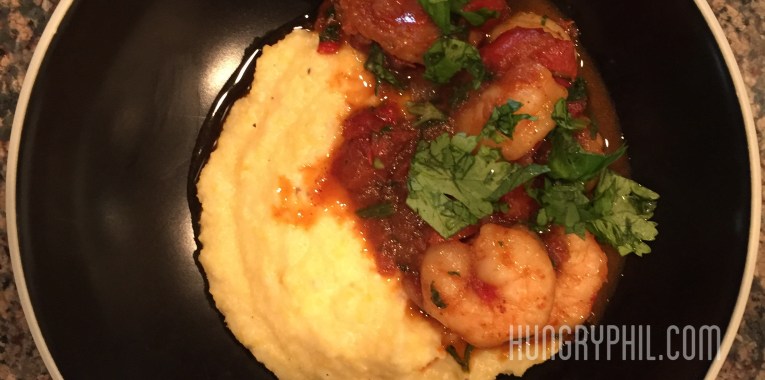
Tomato Red Pepper Shrimp with Creamy Oven Polenta

IMG_2047

Super Easy Baked Polenta

1 cup polenta + 4 cups water + 350 degree oven + 40 minutes

Then

+ shredded parmesan cheese + more liquid to make it the consistency you like (milk, cream, broth) + salt + pepper to taste.

Quick Tomato Red Pepper Shrimp Sautee

1/2 red pepper diced + 1/2 onion diced + saute in olive oil until roasted

+ 2 diced tomatoes (seeded) + 1/2 tsp ancho chili powder for smokiness (use old bay, cajun, chili, or any seasoning you like) + 1/2 tsp cumin powder  + salt + pepper + cilantro

+ 1/2 pound shrimp + cooked until no longer grey but pink.

Serve shrimp over polenta for a happy kid on a Wednesday fall evening.

Didn’t want to forget this super easy made up meal tonight. Love having a blog to store these random ideas. Thanks for enduring the fruits of my bad memory.  I really like this easy way to make polenta in the oven, grits should work the same way too, right? I’ll save that experiment for another day.

Wishing you happy eating,

Hungryphil

Favorite Food Infographics

1. Season cycle for fruits, vegetables and herbs

enhanced-11604-1421176898-11

2. Basic soup recipes

enhanced-12844-1421163707-1

3. How to filet a fish

enhanced-5394-1421169121-11

4. What to do if a dish is too spicy (this happens to me a lot)

enhanced-13896-1421162914-7

5. Gram conversion chart

enhanced-20164-1421100562-16

6. Aromatics combinations

cook-smarts-guide-to-building-flavor-with-aromatics-vertical_54500eac32de8

For full view of info graphics, click on these websites!

http://www.buzzfeed.com/christinebyrne/cooking-charts#.rggvv80xvJ

http://lifehacker.com/top-10-food-infographics-to-hang-in-your-kitchen-or-sav-1614605265

Bangladeshi Cookbooks and National Identity

The emergence of a national cuisine in contemporary India suggests a processual model that needs to be tested comparatively in other postcolonial situations in the contemporary world. The critical features of this model are the twin processes of regional and ethnic specialization, on the one hand, and the development of overarching, crosscutting national cuisines, on the other. These processes are likely to be reflected and reproduced in cookbooks designed by and for the urban middle classes, and particularly their female members, as part of the larger process of the construction of complex public cultures involving media, travel, and entertainment.

This quote is from Arjun Appadurai’s conclusion to his 1988 essay, “How to Make a National Cuisine.” I like the parallelism between the dynamics of regional specialization and national cohesion on the one hand and national specialization and international cohesion, on the other. Food as a cultural site that fosters the cooperation of variety and unity, difference and identity on familial, regional, ethnic, national and international levels make cookbooks diplomatic documents of a given time and place. When I look at cookbooks in this light of cultural collision and exchange, the recipes become interesting exercises of culinary diplomacy.

I always found it difficult to explain how Bangladeshi food is related, yet distinct from Indian cuisine (as defined by Indian restaurants serving the West). Now I realize, this question of a national Bangladeshi cuisine in the international, expat context addresses only one side of the identity crisis. There is also the question of a Bangladeshi national cuisine that recognizes all it’s regional cuisines. Cookbooks by definition are for those who wander from tradition or from home. The more we wander and wonder, the more we build our collective identity. Isn’t that poetic? There is a philosophical impulse as to why so many food blogs combine food, travel and family.

I, a hungryphilosopher, believe, shared questions, not answers, unite us. “How does it taste?” is a loaded cultural question! Over the years, my mom, supplier of cookbooks and avid collector of recipes, gave me three cookbooks that support Appadurai’s dual model of making a national cuisine. They show the growing urban, literate, middle class, as well as, an interest in travel both domestic and international. On a personal level, these books represent my mom’s hope that I retain tastes of Bangladesh that flavor my identity.

All these books are primarily intended for domestic consumption and ex-patriots hoping to recreate “home-food.” The more willing a nation is in supporting regional and cultural differences, of recognizing internal “ethnic-others” the stronger it is able to cook a national cuisine. The progression of Bangladeshi cookbooks in my library shows an emergent respect for regional cuisines but has yet to embrace “ethic-others” into a conversation about a national Bangladeshi cuisine.

Ranna, Khaddo, Pushti (1978) and Bangladeshi Curry Cookbook (1984)  by Siddiqua Kabir

IMG_2041

In 1976 first edition introduction Siddiqua Kabir, the pioneer in Bangladeshi cookbooks,  talks about the book as serving women’s curiosity for foreign foods as well as a need for preserving traditional recipes. In contrast, the introduction to her 1984 Bangladeshi Curry Cookbook, written in English, aims to introduce Bangladeshi curries to non-Bangladeshis.

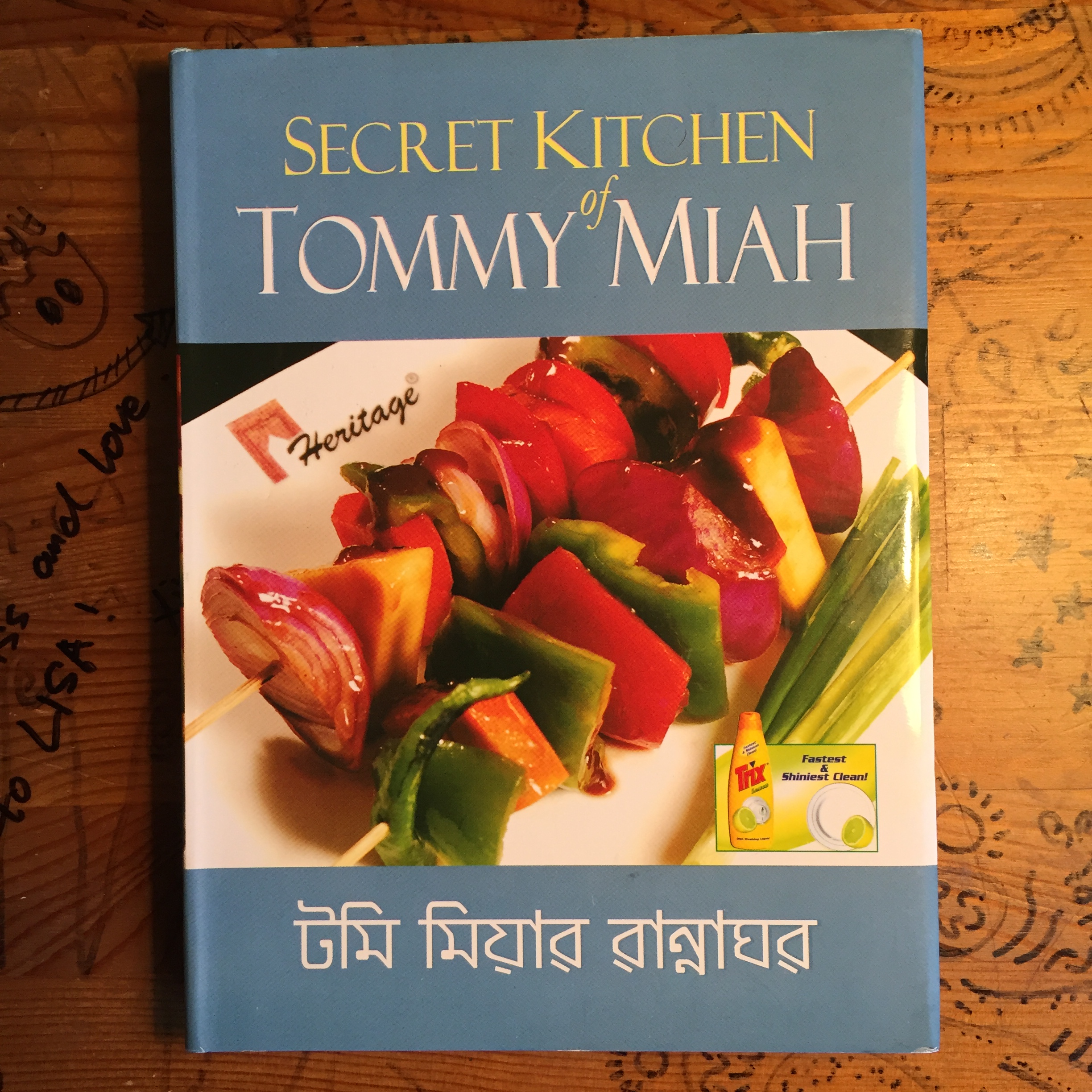
Secret Kitchen of Tommy Miah (2007)
IMG_2040

This dual-language, Bangla and English, book with glossy images and advertising (for dish washing liquid) on every page shares the fusion recipes of celebrity-chef Tommy Miah.

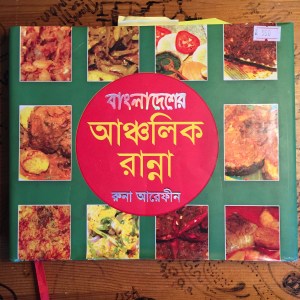
Bangladesher Ancholik Ranna by Runa Arefin (2009)
IMG_2039

This book written in Bangla is my new favorite. The introduction talks about rescuing threatened regional recipes and traditions, about meeting cooks across the country, about a collective respect for the craft of cooking. I’ve learned a lot about what I thought was familiar yet overlooked.

A more detailed study of Bangaldeshi cookbooks might show a developing national cuisine with its own unique characteristics. How do other emergent national cuisines cook up their identities? Any readers out there willing to share? Belize, Costa Rica, Nepal, Cambodia, Nigeria, Bosnia……