Pop-Tart Makeover

51LtV-nCyeL._SY498_BO1,204,203,200_.jpg

This recipe dedicated to my best friend and partner in food adventures and binges, Jim, is from Emilie Baltz’s fun and fantastic book: Junk Foodie: 51 Delicious Recipes for the Lowbrow gourmand.

We rarely buy Pop-Tarts, Jim’s childhood breakfast of choice. Photographer, designer, foodie, Emilie Baltz includes the Pop-Tart in the Junk Foodie Pantry along with Twinkies, Little Debbie treats, Animal crackers and more. She describes the confection as follows:

Introduced in 1964, The Pop-Tart name was inspired by the king of retro art movements, “Pop Art.” These toaster-ready breakfast treats were not only hip, but advanced. The packaging was adapted from a process normally used for dog food packing. Delicious.

Here is the recipe for Pop-Tart Brunch Strudel

1 Apple Pie Filling

1 Handi-Snacks Cheese Dip

1 Brown Sugar Cinnamon Pop- Tart Crust

Cut top off Apple Pie. Scoop out filling and place to side. Smear Hand-Snacks Cheese Dip on one side of reserved Brown Sugar Cinnamon Pop Tart crust. Top with apple pie filling. Cover with other half of Pop-Tart crust. Cut edges off to form a net rectangle shape. Serve.

Look up the website and book for 50 other recipes. The vivid and amazing images are very convincing and I almost want to try a few of the recipes. I am curious. The book is a beautiful exercise in re-imagining ingredients for someone raised without junk food (and a French mother).

Here is an image and review of pumpkin pie Pop-Tarts, from http://www.cookiemadness.net/2010/09/frosted-pumpkin-pie-pop-tarts/

pumpkinpiecrosssection.jpg

For those of you horrified by the above inventive, artificial, and industrial product  recipe, here are a few recipes for home-made pop-tarts

http://sallysbakingaddiction.com/2014/09/03/homemade-frosted-brown-sugar-cinnamon-pop-tarts/

http://smittenkitchen.com/blog/2010/04/homemade-pop-tarts/

http://www.cookingclassy.com/2014/05/homemade-pop-tarts/

Wishing you a wonderful Thanksgiving ahead whether your taste is lowbrow, highbrow or high-low home-made,

Hungryphil

Corn Picking 1956 — Afternoon Break [Food Poem by Tom Hennen]

I needed a heavy canvas jacket riding the cold red tractor, air
an ice cube on bare skin. Blue sky over the aspen grove I drove
through on the way back to the field, throttle wide open, the
empty wagon I pulled hitting all the bumps on the dirt road. In
the high branches of the aspens little explosions now and then
sent leaves tumbling and spinning like coins tossed into the air.
The two-row, tractor-mounted corn-picker was waiting at the
end of the corn rows, the wagon behind it heaped so high with
ears of corn their yellow could be seen a mile away. My father,
who ran the picker, was already sitting on the ground, leaning
back against the big rear wheel of the tractor. In that spot out
of the wind we ate ham sandwiches and doughnuts, and drank
hot coffee from a clear Mason jar wrapped in newspaper to
keep it warm. The autumn day had spilled the color gold every-
where: aspen, cornstalks, ears of corn piled high, coffee mixed
with fresh cream, the fur of my dog, Boots, who was sharing
our food. And when my father and I spoke, joking with the
happy dog, we did not know it then, but even the words that
we carelessly dropped were left to shine forever on the bottom
of the clear, cold afternoon.

From the Writer’s Almanac

Two Minute Chocolate Cake tastes like …

…well, two minute chocolate cake. Good for a chocolate craving emergency. I used the Lucky Peach Magazine recipe Here. I had white chocolate chips instead of chocolate chips but that should not have affected the cake consistency. Good doused in ice-cream but still a bit odd and chewy. Try it for yourself and let me know. Maybe the microwave is to blame. Baked the two minute batter in a 350 oven for half an hour. Still, good flavor, strange texture. Fun to watch erupt in the microwave.

IMG_2152 IMG_2151 IMG_2150 IMG_2149

What constitutes a failed recipe?

  1. When the end product following the guidelines does not correspond to the image or expectation?
  2. When the instructions are not followed or understood?
  3. When the instructions are not clear?

Recipes are an odd conceptual category between practical instruction and theoretical consistency. The material threat of subverting conceptual clarity as any humble cook knows is very high. Altitude, humidity, quality of ingredients, interaction of ingredients, measurement discrepancies, tools used, water quality, everything contributes the supposed success of the recipe (not to mention subjective tastes). Recipes should be used as a list and an ontographic map towards a particular gastronomic experience that someone else found. If we want to reach the same destination, we need to follow the directions as best we can. We can never know if we arrived at the exact taste location (unless we are recreating a known or familial taste). Good recipes give us skills that take us to different related places, like my favorite zucchini bread or chocolate chip cookie recipe. How you relate to recipes is a philosophical preference. Do you nervously follow every detail, blame the recipe if it doesn’t meet expectation, blame yourself and accuse your skill level, blame the ingredients?  A lot of anxiety related to cooking comes from relinquishing too much power to the recipe.

I enjoy trying recipes and watching the process of either supposed success or failure. I say “try” because I rarely exactly follow a recipe. Here is another experiment from the weekend that I would say was a success.  The pancake recipe from Southern Living advised not to beat the ingredients vigorously together with an image that showed very lumpy batter and gave instructions on when to flip the pancake.

“Cook the pancakes 3-4 minutes or until tops are covered with bubbles and edges look dry and cooked.”

This is a good example of object oriented material thinking. It is not only a measure of time but an assessment of how the ingredients are reacting together. Even with these gentle guidelines, I found it tricky to modulate the heat of my cast iron pan so that the bubbles would form just in time the edges and bottom turned golden, not burnt. Some batches were better than others. Ironically, the first two (usually the worst) were the best. Delicious pancakes. Fluffy, flavorful, buttery…oh yes…very buttery, crispy edges. Thank you, Southern Living recipe writer and tester.

IMG_2148 IMG_2147

Then there are delicious dishes that need no recipe, no introduction. Just yummy. Ugly maybe, but so yummy, like my fried egg with bread, marscapone and raspberry jelly. Just dip and enjoy. Or Brie and jam baked in puff pasty. Gooey melting cheese that lazily spills out of flaky pastry. Puff pastry makes everything decadent and as Atiya would say, regal.

IMG_2153IMG_2154

That’s my weekend report. It was delicious.

Next time you cook, call it an experiment in material philosophy.  Notice how you feel and make decisions when things work and when they don’t. Then, come back and share your experiences here with other hungryphilosophers. No judgment, just awareness.

Wishing you a wonderful and delicious weekend ahead,

Hungphil

Delicious culinary culture clash

Quick confession: Cooking is my preferred method of procrastinating.  Productive, creative and when not obligatory, cooking can be relaxing. Today the weather returned to November grey after a few unusually warm and bright days this week. Feeling under the weather in body and spirit, I allowed myself a day in front of the television menu planning for  Thanksgiving vacation.  As I was sorting through my stack of tagged food magazines, I found this Mushroom Stroganoff recipe from the fall issue of Southern Living. Seemed like the perfect day for comforting carbs and cream. The combination of paprika, black pepper and garlic soothed my throat. But.

I found myself also craving the completely opposite flavors of a Moroccan style vegetable curry (my friend Sue was on to something when she picked this as her go to comfort food). The smokey, sweet, almost lamb stew like flavors of ras el hanut spice over slow roasted eggplant and squash is decadent yet guilt-less carb and cream-less comfort. Not the prettiest dish on the table but oh so good. Since no water is added, the vegetable juices all combine into an unctuous stew. With no dates on hand I used raisins for the surprise bites of soft sweetness. Ironic that I would make such an odd dinner combination, as I was planning the menu for Thanksgiving.

For Thanksgiving, the traditional menu is already set with the usual suspects of Turkey, Gravy, Potatoes, Stuffing, Bread, Green Beans and Pie. The only question is which recipes to use. The Southern Stroganoff – Moroccan Tagine combination makes no sense except for me, on this very dreary day. I suppose my unsuspecting family can either choose one or the other mode of comfort food, or follow my lead and load up on both. Can there be too much comfort in the world?

Categorical culinary consistency is so boring isn’t it? I wonder how I can use this experience for Thanksgiving? Or maybe I shouldn’t mess with constructed tradition….too much :o)

Do you stick with Thanksgiving tradition, tweak tradition, or try something different every year?

Broccoli Stem Dal – Home Food Waste Rescue

At the Global Food/ Local Perspectives symposium a few weeks ago, Chef Ake lamented the waste of broccoli stems at his restaurants. His comments reminded me of a recipe from my sister, Moli, who would cook the stems with dal (lentil soup). Here is my version:

1. I started with a bunch of sad broccoli stems saved from another meal.

2. Like any unappreciated thing the stems are tough and thick on the outside but crispy and juicy on the inside. Using a paring knife, carefully carve away the ugly sadness.

3. Dice the juicy happy centers.

4. In a pot, place the diced stem ( I had a cup) with a cup of any small lentils you have. I had yellow and red lentils. Cover with at least double amount of water or broth. Add more or less liquid depending on how thick you like your lentil soup.

5. There is debate about when to salt lentils. Some say salt prevents the lentils from breaking down. I don’t know. I always add the tumeric and salt after the lentils soften.

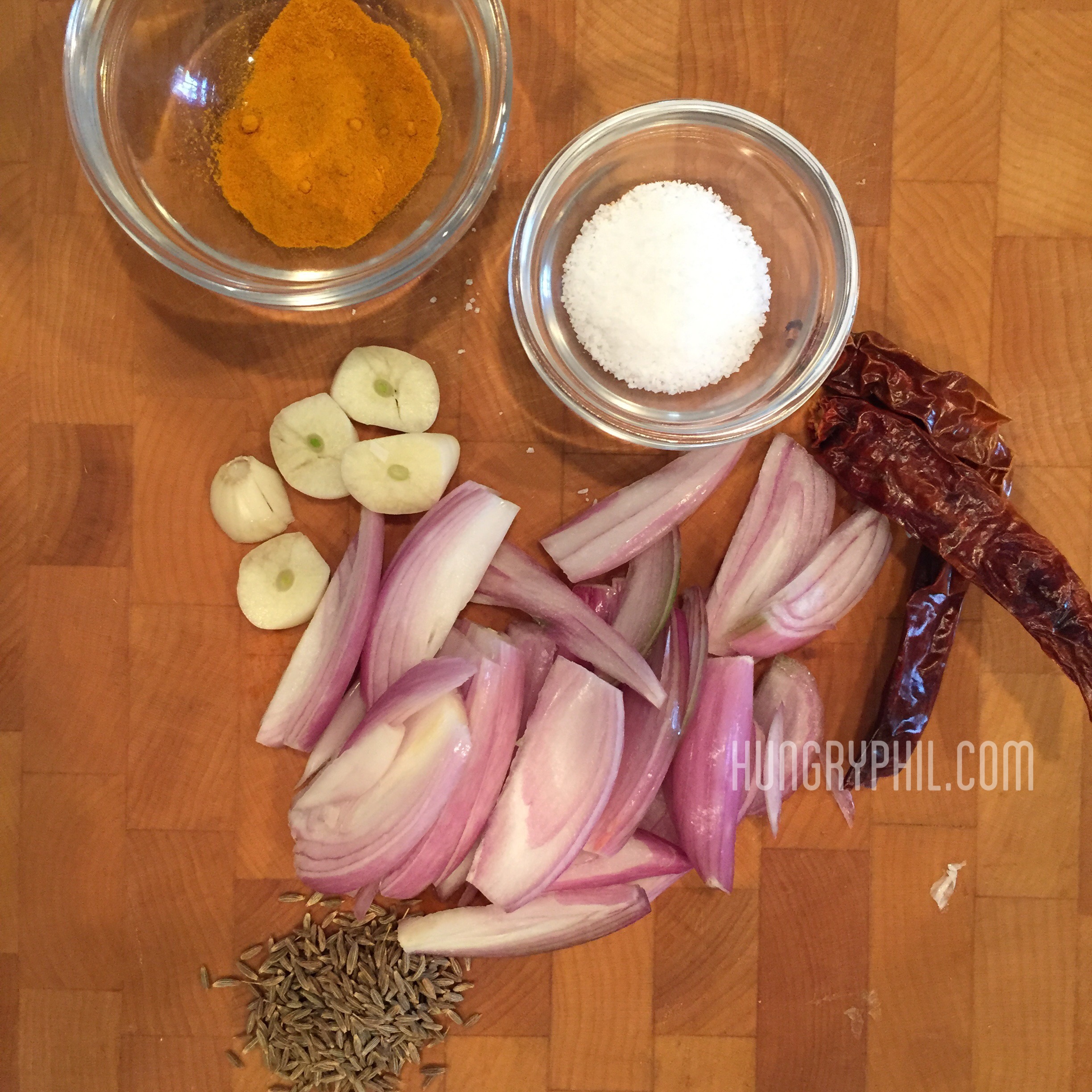
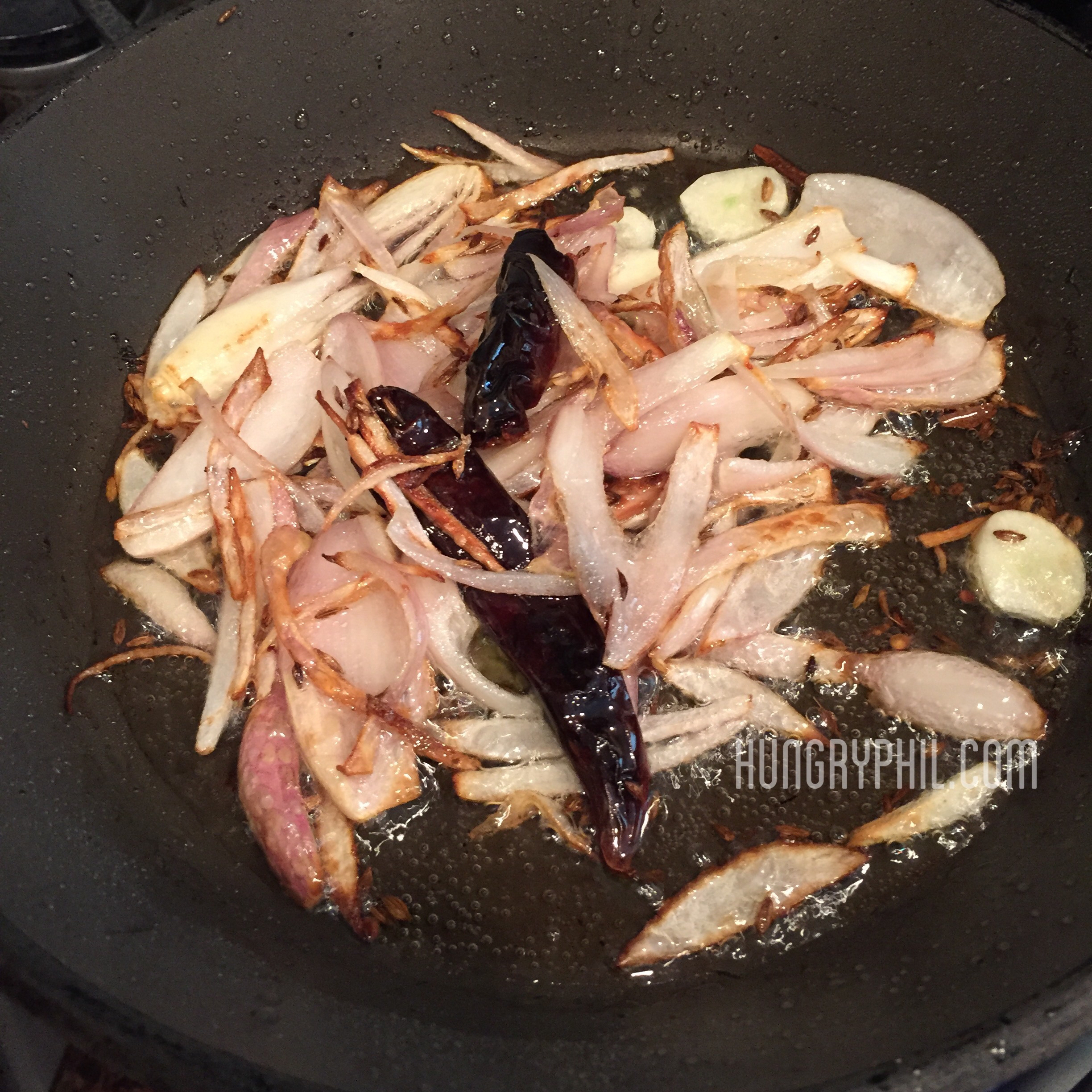
6. Once softened, add salt to taste and about a teaspoon of tumeric. Saute cumin seeds, onions or shallots, dried chilies and garlic in 2-3 tablespoons of vegetable oil.

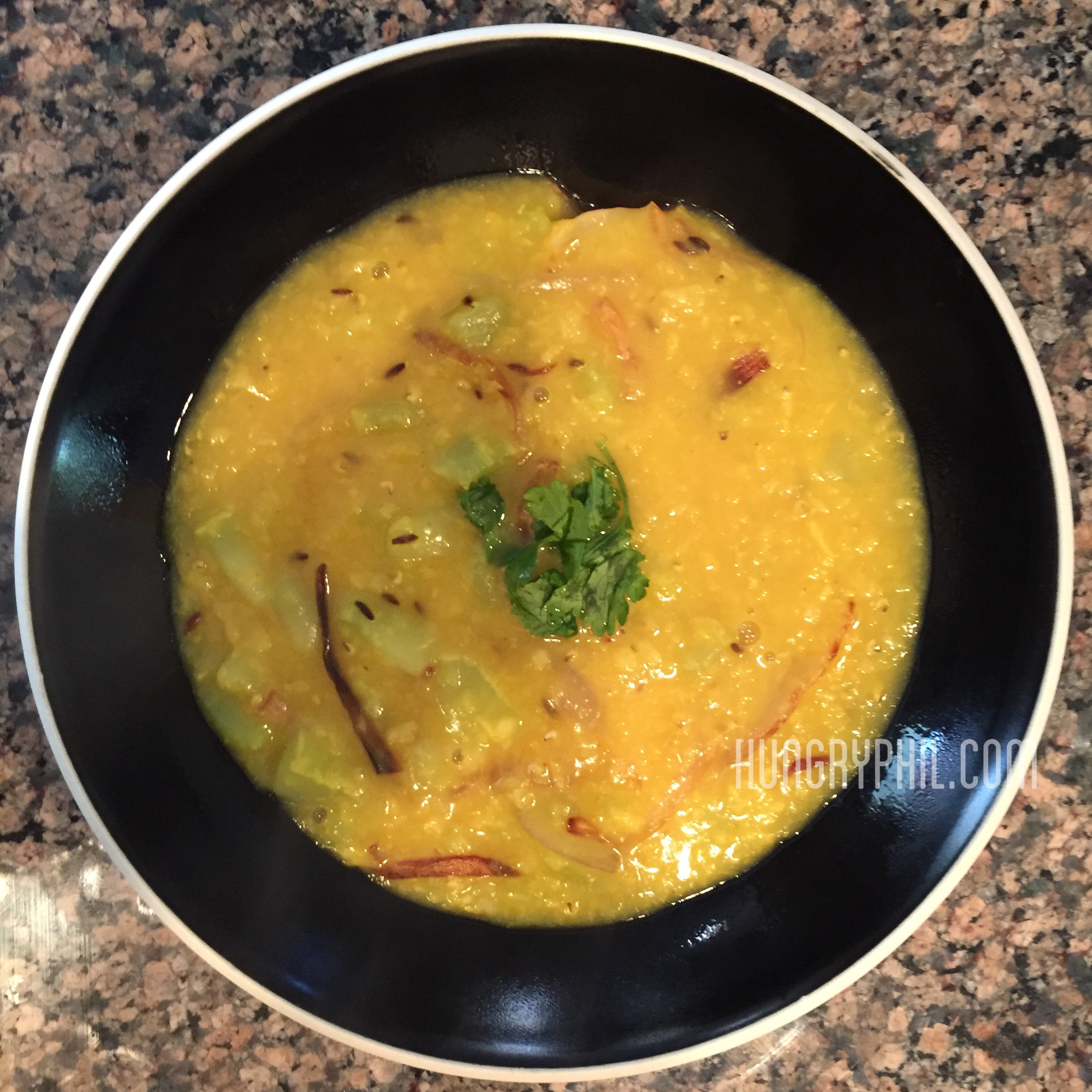
7. Pour the roasted shallot mixture over the cooked lentils and broccoli stems.

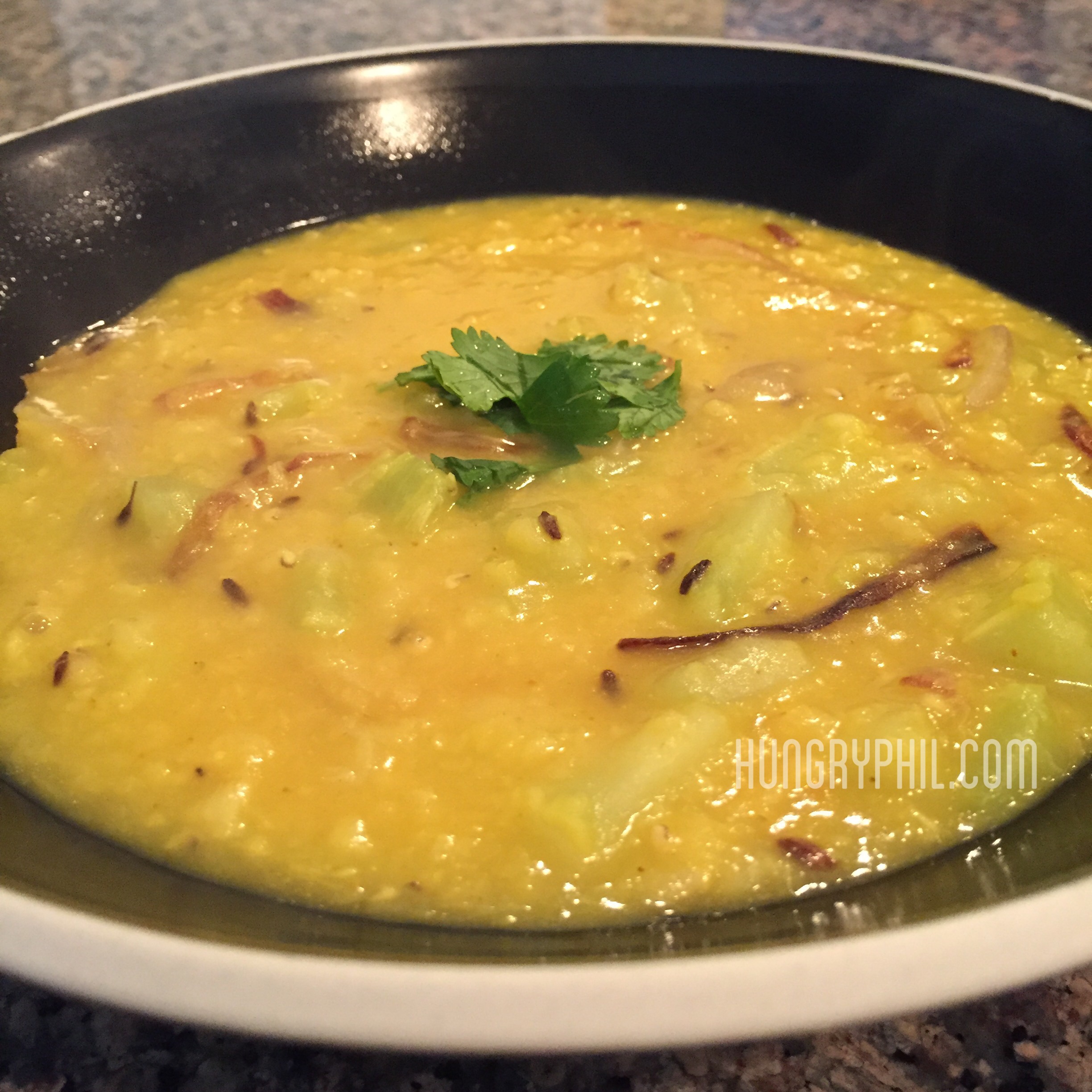
8. Enjoy with rice or bread, a squeeze of lemon and sprinkling of cilantro. Perfect for fall weather. The roasted onions and cumin give the dish depth and smokiness while the vegetable lightens the thick lentils.

Bengali Sweet Yogurt (Mishti Doi)

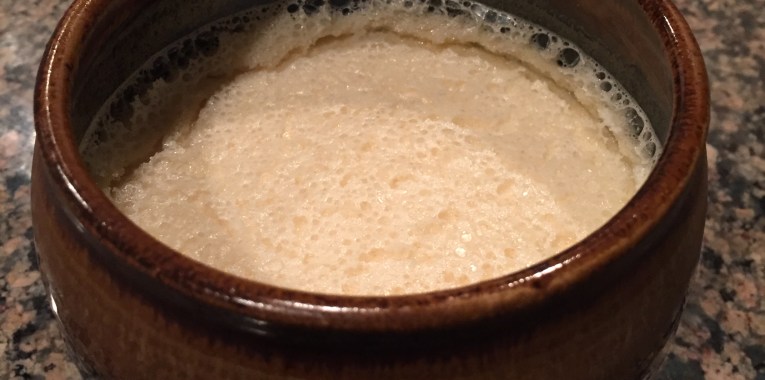
This is a sweet, smooth, tangy custard-like decadent yogurt recipe from my “cooking is a four letter word” sister, Cycee. It is magic.

1 can evaporated milk + 1 can condensed milk +1 cup plain yogurt = Blend, then pour in separate ramekins/bowls or a 9×9 baking dish. Set in a low temp oven 175-200 degrees for at least two hours.  Refrigerate once set and cool. Enjoy.

IMG_2056

Dear Atiya,

You said you could have this yogurt everyday. Now you can make that happen!

Love,

Your Hugryphil mom

4 Weekend Cooking Experiments

Hungryphil here, reporting on this weekend’s cooking experiments, the victories and defeats, the yummy and not so yummy.

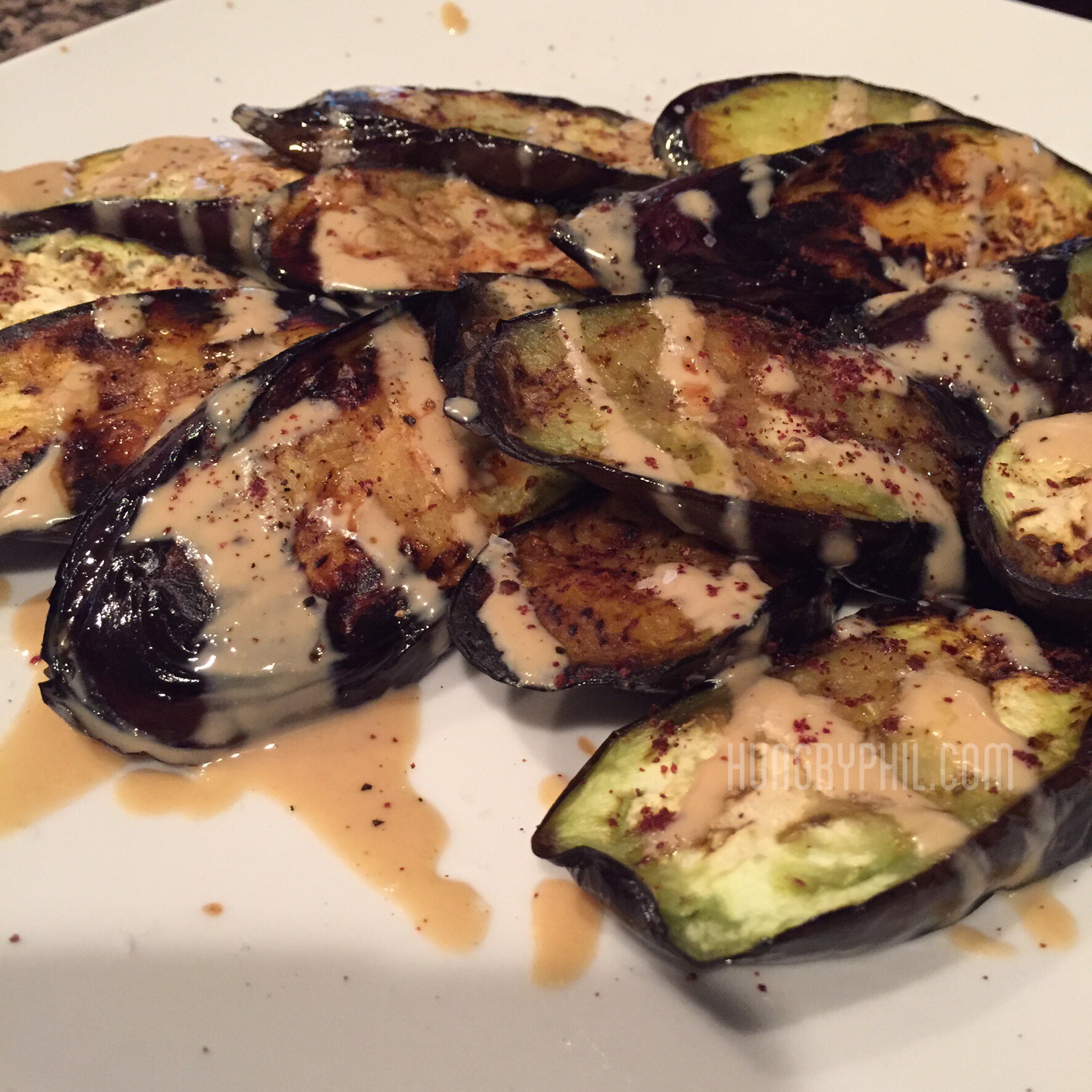
First up, Friday’s Fried Eggplant with tahini, balsamic drizzle (and a sprinkling of salt, pepper and sumac) Good taste but could have been cooked more. You can see the uncooked piece by the watermark. Still worth trying again. I liked the nutty smoothness of the tahini with the acidity of the balsamic.

Saturday and second, I attempted to make Bangladeshi “hat roti” (like a tortilla but softer and without fat in the dough). It is made by pouring the flour into boiling water, cooking it enough to absorb and rolling it out without the addition of much extra flour. When done correctly, it is soft, delicate, pillowy, warm, and wraps around halwas (sweet grain, nut or fruit paste, bars) or bhajis (dry vegetables) perfectly. It is a craft and a skill. I failed :o(

I tried pouring boiling water into a food processor with flour in the bowl in order to avoid the whole kneading a ball of hot dough with my hands unpleasantness.  Didn’t work. This will have to be a regular practice of skills, like making a colorless french omelet.

But. I did make the best paratha (a flaky fried flat bread) with the dough. The layers were light and crispy because there was no fat in the dough itself, only between the layers. From now on, this is how I’m making paratha. Mix dough without fat in the food processor, roll out, ghee, fold, roll out again, fry.

So, this experiment was a tie between food fail and fantastic. Sorry no pictures, tried to hide the evidence of failure and then in my excitement ate the paratha too fast to snap a pic. Now I also have a blog excuse to try it again.

Third, Korean Japchae and Bulgogi.

Bulgogi (Korean BBQ Beef 불고기)

http://www.chowhound.com/recipes/japchae-korean-stir-fried-sweet-potato-noodles-30269

Delicious and surprisingly easy.Worth making again. Score for me.

Fourth, Pumpkin Bread (with Cranberries and with Crystallized Ginger) and Chocolate Chip Cookies for fall college care packages. Here are the recipes:

http://smittenkitchen.com/blog/2009/03/crispy-chewy-chocolate-chip-cookies/

http://restaurant.recipes-network.net/starbucks-pumpkin-bread.html


Both were great recipes! The chocolate chip cookies were decadent and flavorful. The texture was just perfect as it’s namesake, crispy on the edges and chewy in the center. Perfect as is. Would make it again and again.

The pumpkin bread was also wonderful. I added cranberries to a batch and crystallized ginger to another. Both had pecans. The ginger is a bit aggressive and takes getting used to. In small, finely chopped portions it might be just right. That will take some tweaking.

Hope the kids enjoy the fall treats! Next time, more cookies!

Busy weekend but thankfully there is a lot to snack on in the kitchen this week.

Hoping you had a delicious weekend too,

Hungryphil

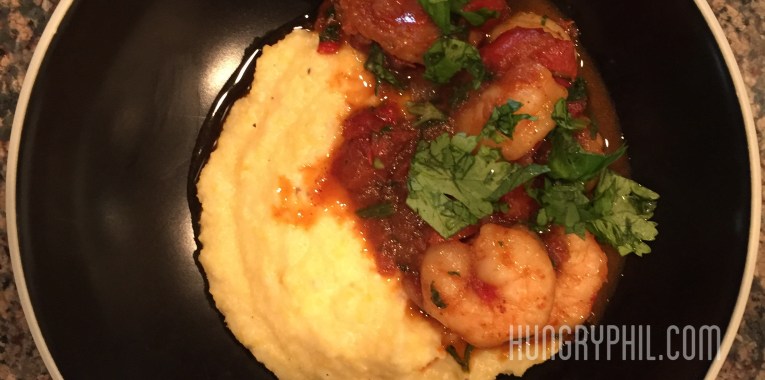
Tomato Red Pepper Shrimp with Creamy Oven Polenta

IMG_2047

Super Easy Baked Polenta

1 cup polenta + 4 cups water + 350 degree oven + 40 minutes

Then

+ shredded parmesan cheese + more liquid to make it the consistency you like (milk, cream, broth) + salt + pepper to taste.

Quick Tomato Red Pepper Shrimp Sautee

1/2 red pepper diced + 1/2 onion diced + saute in olive oil until roasted

+ 2 diced tomatoes (seeded) + 1/2 tsp ancho chili powder for smokiness (use old bay, cajun, chili, or any seasoning you like) + 1/2 tsp cumin powder  + salt + pepper + cilantro

+ 1/2 pound shrimp + cooked until no longer grey but pink.

Serve shrimp over polenta for a happy kid on a Wednesday fall evening.

Didn’t want to forget this super easy made up meal tonight. Love having a blog to store these random ideas. Thanks for enduring the fruits of my bad memory.  I really like this easy way to make polenta in the oven, grits should work the same way too, right? I’ll save that experiment for another day.

Wishing you happy eating,

Hungryphil

Bangladeshi Cookbooks and National Identity

The emergence of a national cuisine in contemporary India suggests a processual model that needs to be tested comparatively in other postcolonial situations in the contemporary world. The critical features of this model are the twin processes of regional and ethnic specialization, on the one hand, and the development of overarching, crosscutting national cuisines, on the other. These processes are likely to be reflected and reproduced in cookbooks designed by and for the urban middle classes, and particularly their female members, as part of the larger process of the construction of complex public cultures involving media, travel, and entertainment.

This quote is from Arjun Appadurai’s conclusion to his 1988 essay, “How to Make a National Cuisine.” I like the parallelism between the dynamics of regional specialization and national cohesion on the one hand and national specialization and international cohesion, on the other. Food as a cultural site that fosters the cooperation of variety and unity, difference and identity on familial, regional, ethnic, national and international levels make cookbooks diplomatic documents of a given time and place. When I look at cookbooks in this light of cultural collision and exchange, the recipes become interesting exercises of culinary diplomacy.

I always found it difficult to explain how Bangladeshi food is related, yet distinct from Indian cuisine (as defined by Indian restaurants serving the West). Now I realize, this question of a national Bangladeshi cuisine in the international, expat context addresses only one side of the identity crisis. There is also the question of a Bangladeshi national cuisine that recognizes all it’s regional cuisines. Cookbooks by definition are for those who wander from tradition or from home. The more we wander and wonder, the more we build our collective identity. Isn’t that poetic? There is a philosophical impulse as to why so many food blogs combine food, travel and family.

I, a hungryphilosopher, believe, shared questions, not answers, unite us. “How does it taste?” is a loaded cultural question! Over the years, my mom, supplier of cookbooks and avid collector of recipes, gave me three cookbooks that support Appadurai’s dual model of making a national cuisine. They show the growing urban, literate, middle class, as well as, an interest in travel both domestic and international. On a personal level, these books represent my mom’s hope that I retain tastes of Bangladesh that flavor my identity.

All these books are primarily intended for domestic consumption and ex-patriots hoping to recreate “home-food.” The more willing a nation is in supporting regional and cultural differences, of recognizing internal “ethnic-others” the stronger it is able to cook a national cuisine. The progression of Bangladeshi cookbooks in my library shows an emergent respect for regional cuisines but has yet to embrace “ethic-others” into a conversation about a national Bangladeshi cuisine.

Ranna, Khaddo, Pushti (1978) and Bangladeshi Curry Cookbook (1984)  by Siddiqua Kabir

IMG_2041

In 1976 first edition introduction Siddiqua Kabir, the pioneer in Bangladeshi cookbooks,  talks about the book as serving women’s curiosity for foreign foods as well as a need for preserving traditional recipes. In contrast, the introduction to her 1984 Bangladeshi Curry Cookbook, written in English, aims to introduce Bangladeshi curries to non-Bangladeshis.

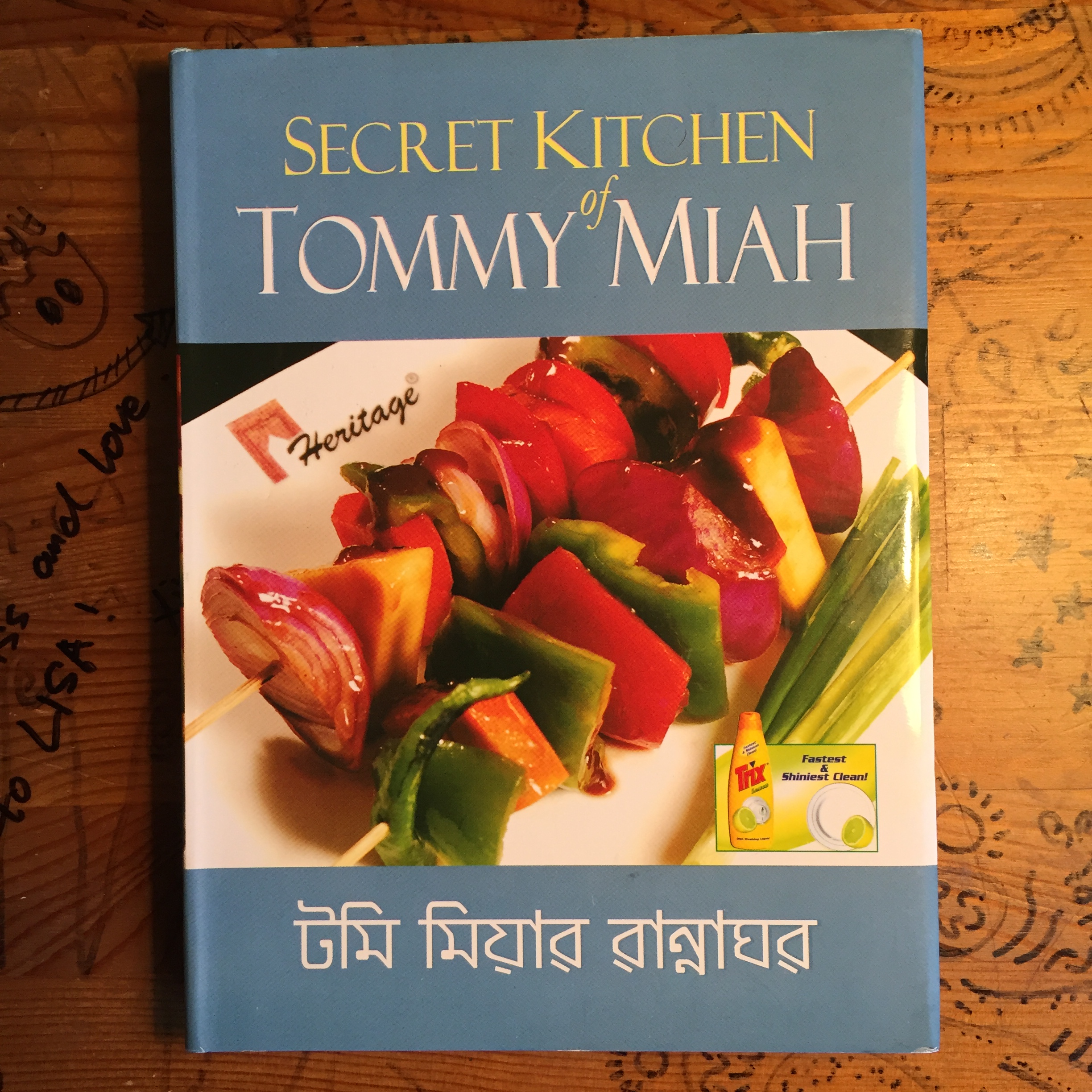
Secret Kitchen of Tommy Miah (2007)
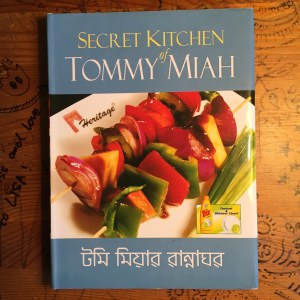
IMG_2040

This dual-language, Bangla and English, book with glossy images and advertising (for dish washing liquid) on every page shares the fusion recipes of celebrity-chef Tommy Miah.

Bangladesher Ancholik Ranna by Runa Arefin (2009)
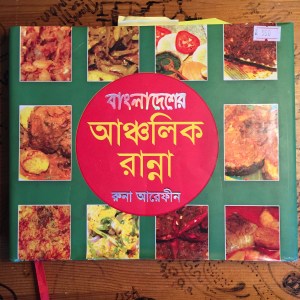
IMG_2039

This book written in Bangla is my new favorite. The introduction talks about rescuing threatened regional recipes and traditions, about meeting cooks across the country, about a collective respect for the craft of cooking. I’ve learned a lot about what I thought was familiar yet overlooked.

A more detailed study of Bangaldeshi cookbooks might show a developing national cuisine with its own unique characteristics. How do other emergent national cuisines cook up their identities? Any readers out there willing to share? Belize, Costa Rica, Nepal, Cambodia, Nigeria, Bosnia……

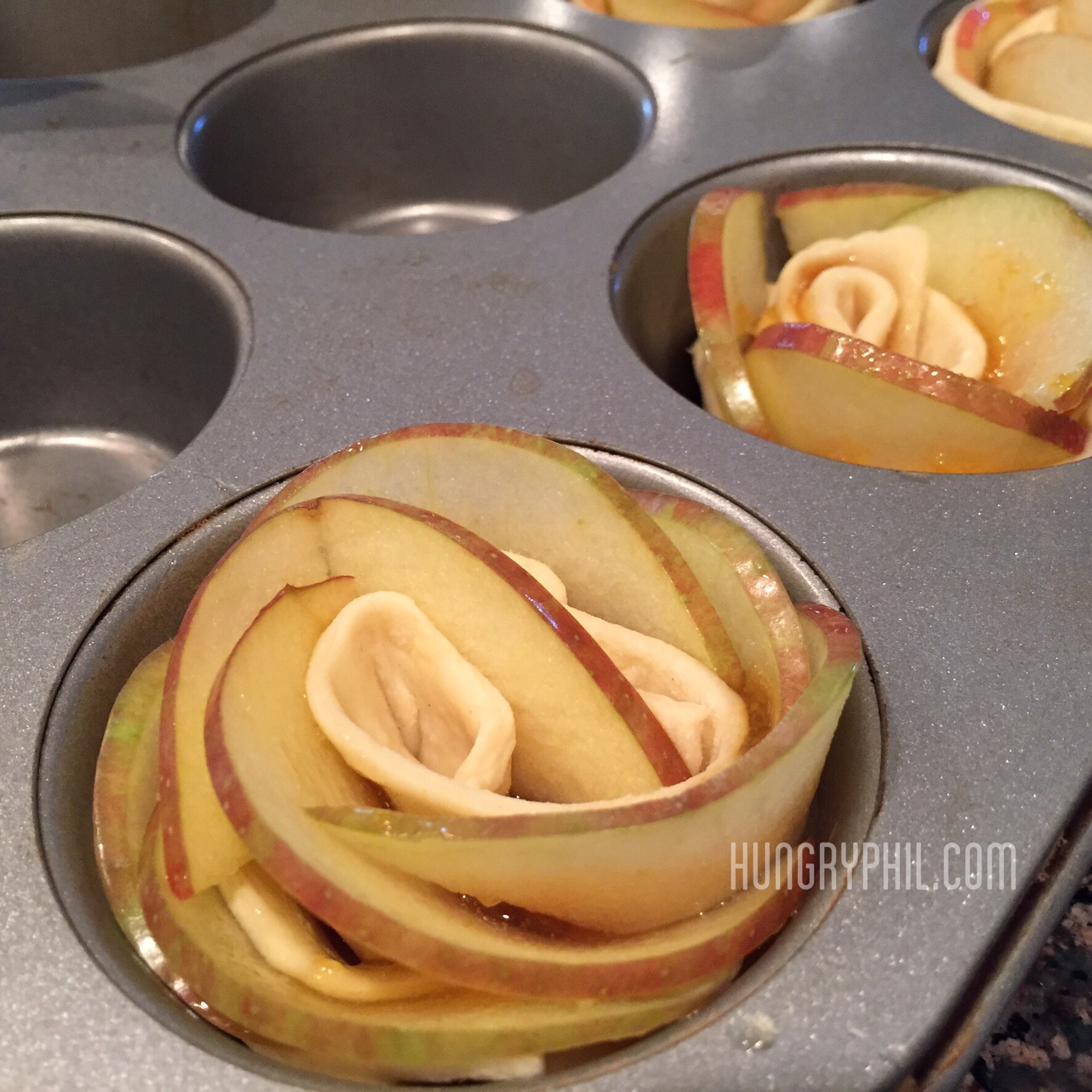
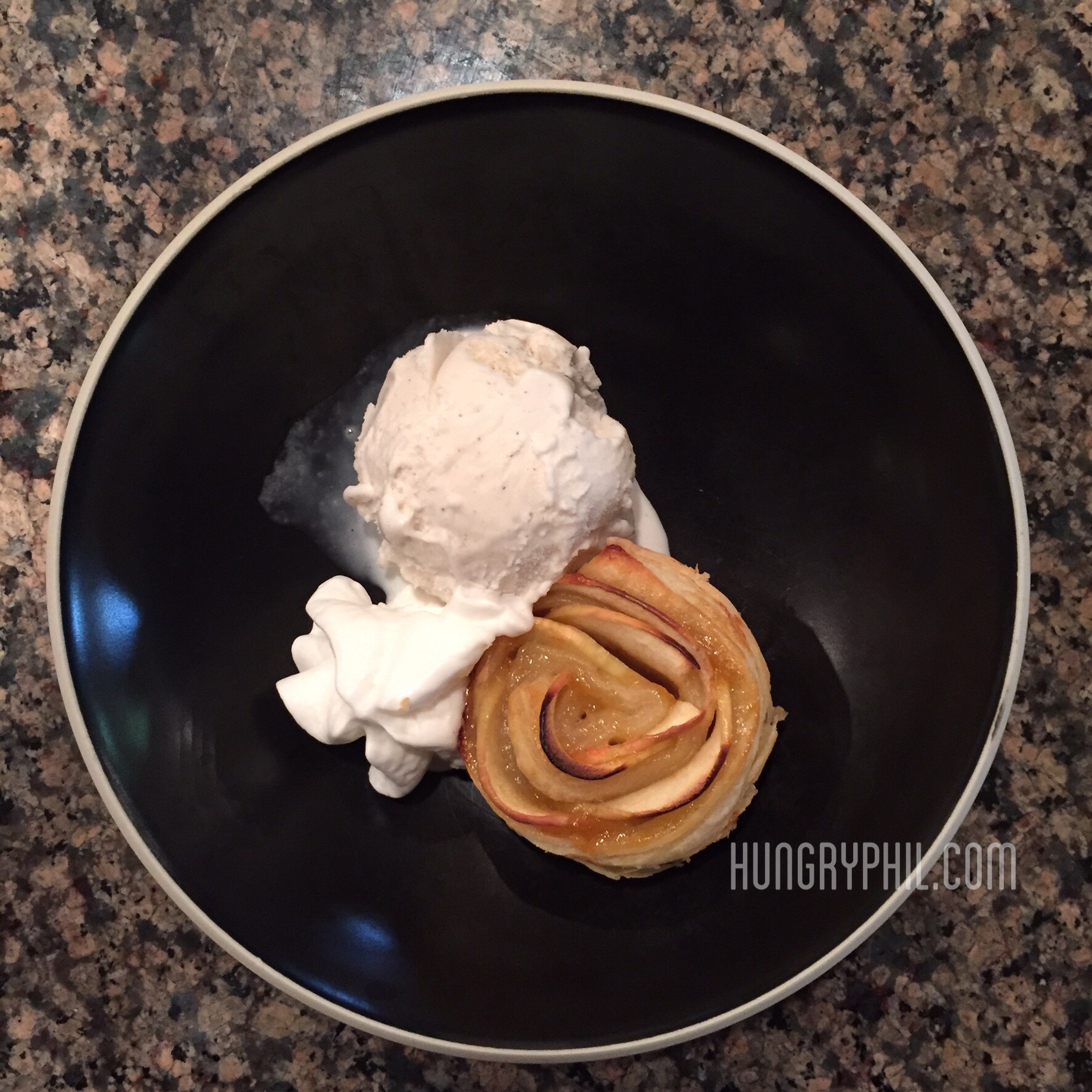
Testing Easy Apple Roses Recipe

Like many of you, I was fascinated by the apple roses recipe posted on facebook last week. Last weekend, I thought I’d test it. It was supposed to be super simple. Basically roll sliced apples in puff pastry, bake and taaa daaaa….delicious dessert.

Almost….

Few issues. Tried to make it from my faulty memory.

  1. Didn’t heat the sliced apples in order to make them flexible. So it was a bit difficult to wrap. I broke a few peices.
  2. Didn’t spray the bottom of the muffin tin. It was difficult to get the roses out.
  3. Didn’t bake it long enough for fear of burning the uncooked apples. The pastry was a bit doughy.

Despite these issues. It was still delicious and beautiful. Happy to test it again and again.


There are quite a few recipes online. I don’t know which one I glimpsed as I scrolled down my facebook page. Here is one:

Did you try the recipe?