Noma No more?

16NOMA3-articleLarge

Image from: http://www.nytimes.com/2015/09/16/dining/noma-rene-redzepi-urban-farm.html?_r=1

Earlier this week a New York Times article announced the closing of Noma, consistently ranked among the top 50 restaurants in the world. Chef Rene Redzepi as the article title suggests plans to reopen in a different Copenhagen location in 2017. In the meantime, he and his team will be busy converting an urban ruin into an urban farm able to support the new restaurant fully committed to seasonal dining. American chef Dan Barber’s Blue Hill at Stone Barns sets similar ambitions, investing deeply in ingredients by employing on site farmers and farming. The “menus” at both begin with and stay true to the produce. For example, instead of traditional menus designed around dishes and techniques, the meal at Blue Hill is guided by “grazing, pecking and rooting” from greenhouse, field, pasture, forest, farm and cellar products.

This philosophy that dining begins with the ground depends on a creative and intimate understanding of place, seasons, processes of growing, cooking and eating of each diverse ingredient. These chefs, push the idea of “farm to table,” slow and local dining to the experimental extreme by including the farm, in form and content, as the restaurant experience. The challenge to convert a historically domestic practice of garden eating to a professional standard of consistency requires tremendous forethought and faith in the ability to quite literally grow quality products. I can’t tell if these are exercises in hubris or humility. Perhaps, both?

http://www.nytimes.com/2015/09/16/dining/noma-rene-redzepi-urban-farm.html?_r=0

http://www.grubstreet.com/2015/09/history-of-noma.html

http://noma.dk/

https://www.bluehillfarm.com/dine/stone-barns

The Girl Who Cried Yelp

Is it possible to rely too much on review sites, like Yelp? On a recent trip to San Francisco I started to question my so far unconditional love of the app and discovered limiting conditions. How do you use the app?

I use the restaurant review app Yelp for the following reasons:

Discover Local and Hidden Good Eats: When I’m traveling and looking for a good place to eat beyond the standardized options of familiar chain restaurants. It is usually an excise in culinary tourism hoping to discover something delicious and try something local. Yelp is very good for direction and advice. For example, traveling back from Atlanta to Indiana, we found the highly rated, Wildfire BBQ and Grill in Franklin, KY. Would never have found it without Yelp. It was quaint, local, delicious, hidden and a wonderful find. They had a house hot sauce that made me cry. The chicken had this almost “peking duck” like caramelized skin while the corn bread was strangely flat and tasty. Small local establishments can sometimes seem unwelcoming and averse to strangers. Yelp reviews offer reassurance through pictures, reviews and recommendations. This is the best use of the application for me.                                      http://wildfirebbq.net/

IMG_1779

Visualize Options: I rely on Yelp when we are debating familiar options. The list view allows us to go down the list and by the process of elimination find dinner that all (most) of us agree upon. In this case the app is used for efficiency rather than discovery. Depending on how indecisive the group is, the app, can be either helpful or distracting. It won’t answer what you “feel” like having but it can help the group find the solution that best “fits” their collective craving.

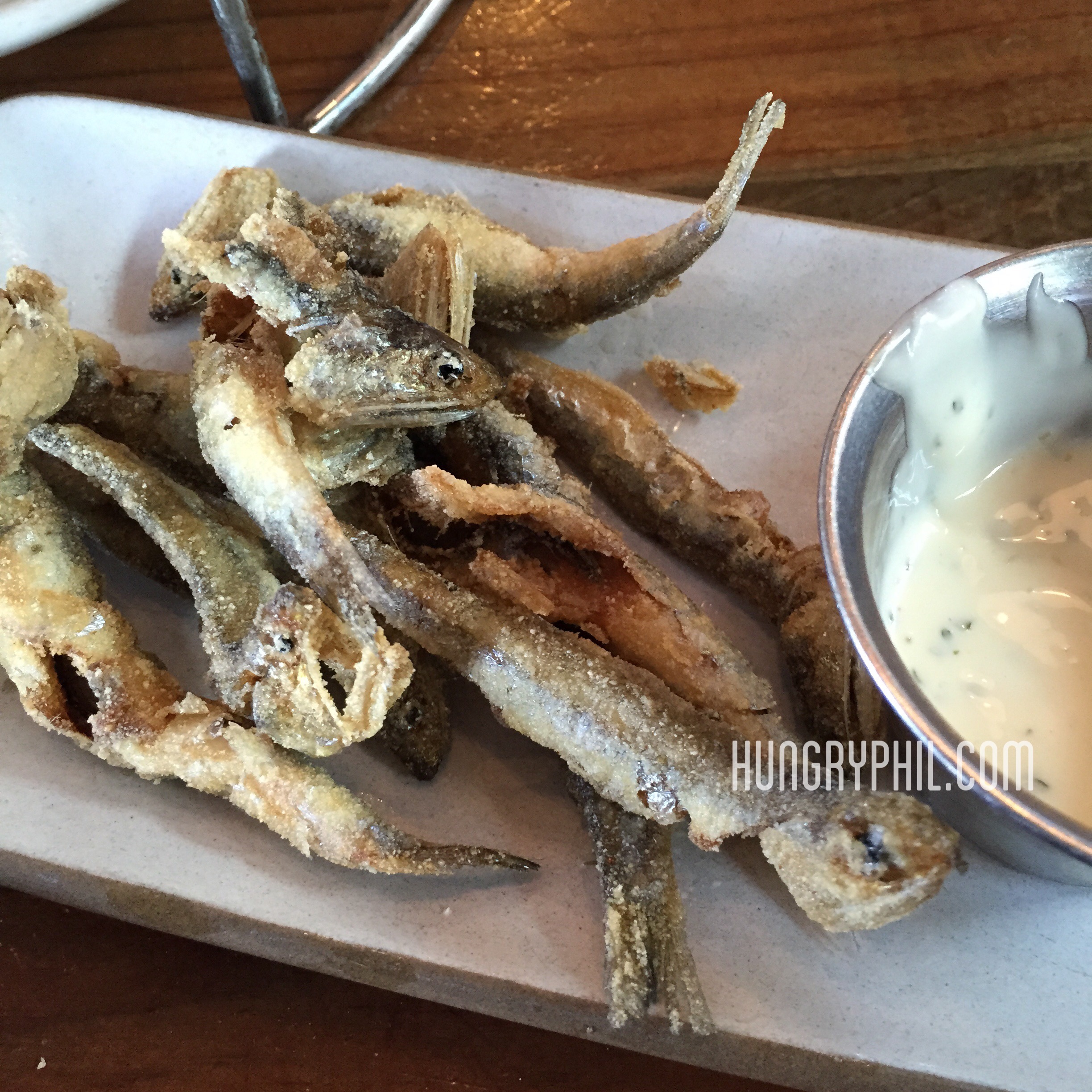
Menu recommendations:  The third reason to refer to Yelp is when already in the restaurant looking for recommended dishes. It answers the question, “what is good here?” with pictures and reviews. For me, this use of the app is somewhat problematic. It risks handing over my own preferences to others. Sure, a certain dish can be the signature of the restaurant, like Salt and Pepper Dungeness Crab at the R and G Lounge in San Francisco’s China Town (Recommended also by Anthony Bourdain) which we had to get and was as promised a delicious experience. The Peking Duck was also as reviewed and recommended, wonderful. The recommended pineapple fried rice was also delicious. All the recommended dishes were worthy. But, I feel I relegated too much of that meal to the preferences of others. The rice was good but nothing close to the novelty of the crab, all the dishes were tasty but dry together as a meal. Most importantly, I felt I stopped thinking and experiencing the place and it’s taste for myself. Still a great experience I would’ve missed without the Yelp reassurances. In contrast, at the Hog Island Oyster Co. in the Ferry Building, we ordered the fried anchovies based on Yelp recommendations, along with dishes (raw oysters) of our own preference. Fried anchovies are my new unlikely favorite!  My new rule should be to order one recommended item and another item of my own discovery. Or, maybe once inside the restaurant, turn off the app.

IMG_1915-0

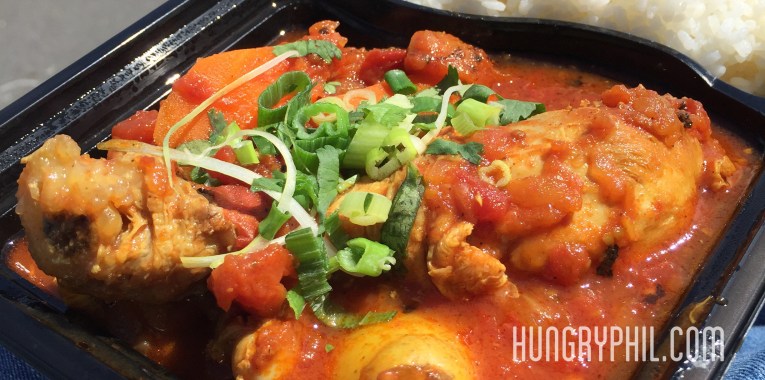
Validation of Choice: On walk-able city streets sometimes we let our nose lead the way. Last week in San Francisco, we found a small, unassuming, south Asian restaurant with fantastic food. We had a  Chicken Keema with mushrooms dish (the special of the day), along with naan and rice. We noticed the small restaurant because we both liked the graphics, the aromas wafting as we passed and the serving dishes the couple seated outside were diving into. I can’t wait to try to make a version of that delicious spiced ground chicken with peas and mushrooms.  It was too yummy to wait and take a picture at the restaurant. After we finished eating, my beloved Jim, aka “Milk” of my chopped and blended family, went on Yelp to find our find validated by others with high recommendations.   http://www.curryleafsf.us/

IMG_1916

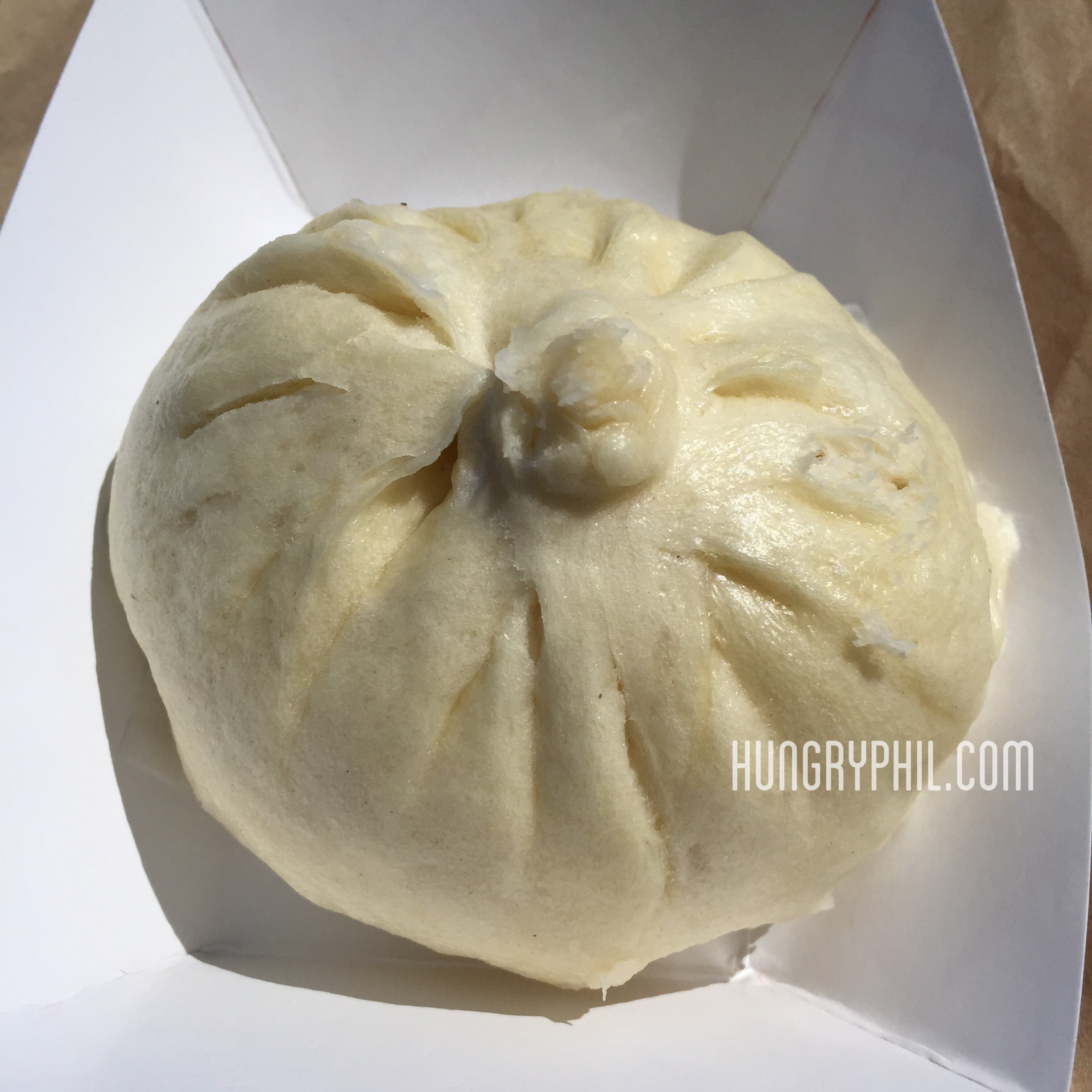
We also found Out the Door at the Ferry Building, on Yelp, after we already ate and enjoyed it’s chicken curry and chicken bun.

IMG_1914-0IMG_1913-1

Lesson Learned:

Use, Yelp,  liberally during the search for unfamiliar yumminess and sparingly once seated.

What makes Iconic Food Packaging?

mag-17WMT-t_CA0-superJumbo

Image from: http://www.nytimes.com/2012/06/17/magazine/who-made-that-soy-sauce-dispenser.html?_r=0

Among iconic food packaging, NPR’s Salt includes the Coca-Cola bottle (1915), Morton Salt (1914) , Pringles (1968), Jiffy Pop (1959), Kikoman (1961) and Jif Lemon juice (1954). What makes food packaging iconic? Instant recognition like the coca-cola bottle? Function, like the Kikoman bottle? Introduces a new product, like Pringles? or Symbolic, like the lemon juice bottle? What other products might we include in this list and why? Here is one more example (for better and worse that makes processed food attractive).

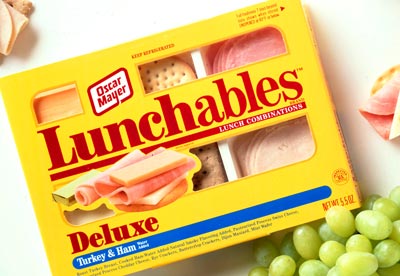
Lunchables

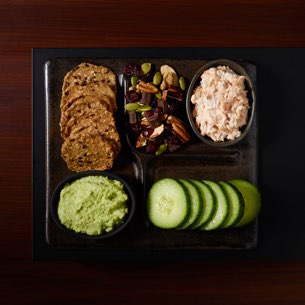
Lunchables translated the Swanson frozen television food tray into a school lunchroom experience. We see this idea of packaged lunches used in the Starbucks Bistro Boxes today for now adult kids of the 1990s who grew up with lunchables.

tv-dinner-1954-large

lunchables2

5e0eb15bcfc34fa88534cdf6adce287f

Image from http://www.cooksinfo.com/tv-dinners

Image from http://childrenofthenineties.blogspot.com/2009/04/lunchables.html

Image from: http://www.starbucks.com/menu/food/bistro-boxes/omega-3-bistro-box

http://www.npr.org/sections/thesalt/2015/03/16/392514497/looks-matter-a-century-of-iconic-food-packaging

New Braces: Compromised Chewing not Taste

IMG_1887IMG_1888

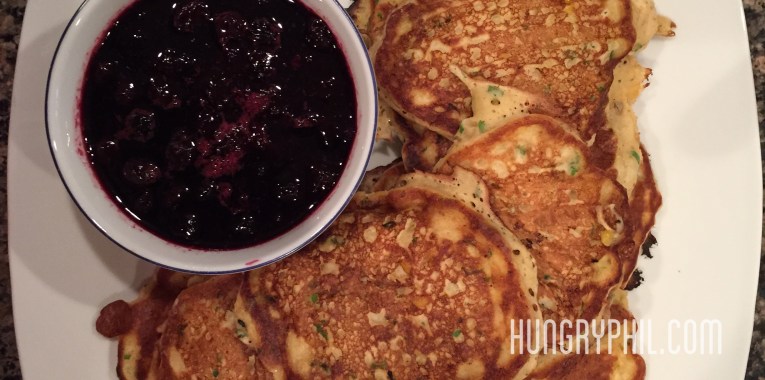
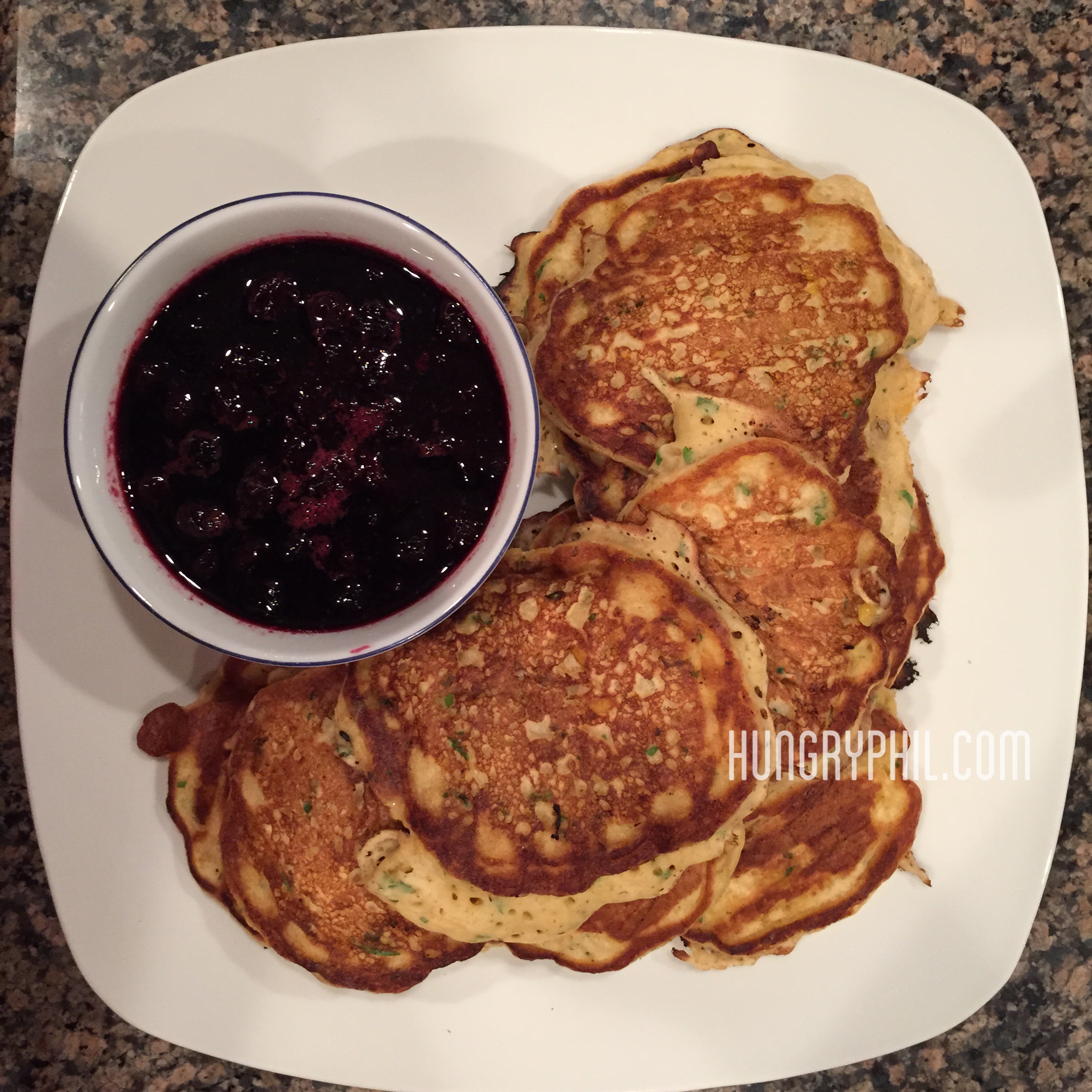
Puberty and braces unfortunately happen together here in the U.S.  Last week we had one child completing her time with braces while another began the process. New braces brought new challenges to my already complex chopped and blended dinner table. Soups and smoothies worked until she got tired of a liquid diet. Then came the minimal chewing but more substantial meals. I made her soupy khichuri (a Bengali mix of rice and lentils, lightly spiced), one of her favorite, braces or no braces. She also enjoyed the savory corn pancakes (a batter made with the addition of creamed corn). The chicken enchiladas still required too much chewing for her comfort. I lost a point there. Its always somehow surprising when small unrecognized parts of ourselves, once hurt or broken, change the way we do things. Teeth are wonderful machines that allow us to enjoy so many delicious simple things, like apples and crusty bread. Certainly not to be taken for granted by foodies, eaters and gourmands.

I’ll report back with brace friendly bowl food like khichuri, congee, risotto, grits, polenta and various sauces for the months of tightening to follow.

Bananas Two Ways: Detox and Decadence

IMG_1891 IMG_1892

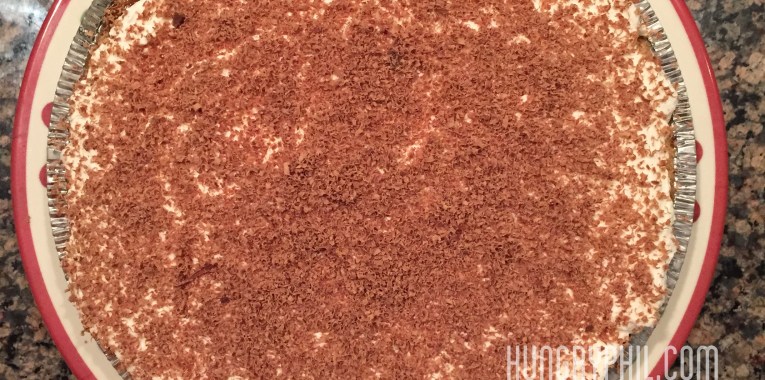
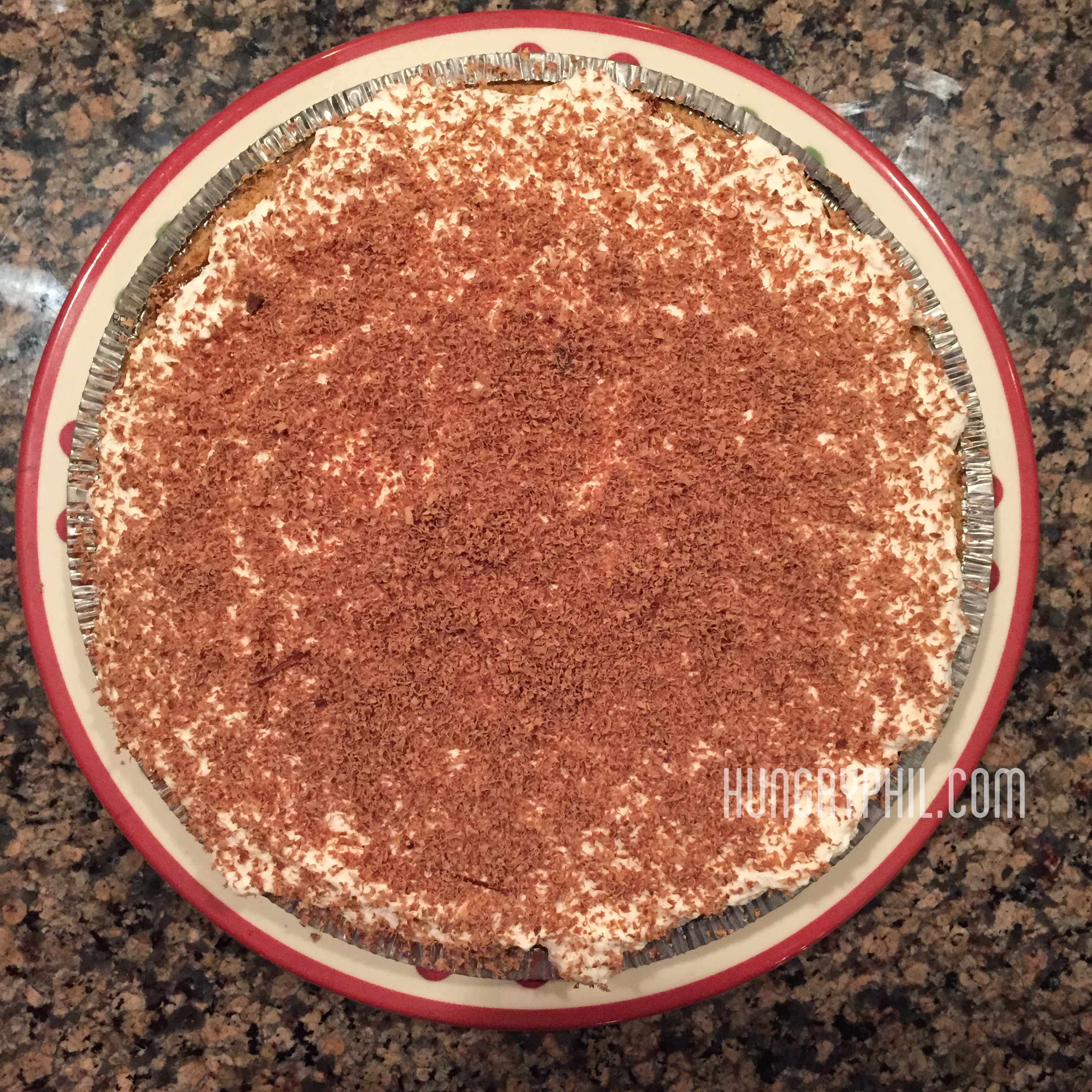
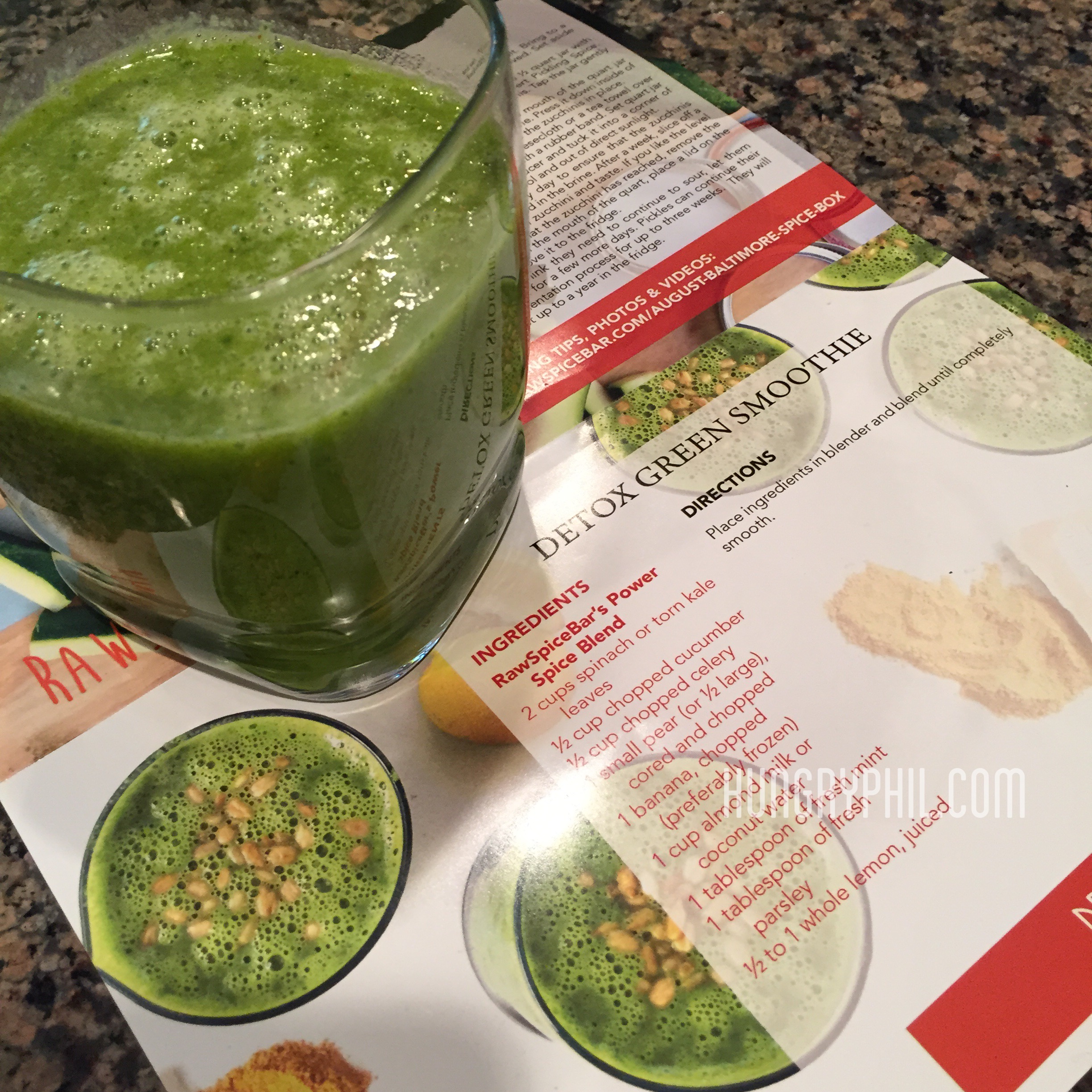
This Labor Day Weekend I am guilty of contradictory eating. Or maybe, exactly as eating should be. You decide. I tried two different recipes. First, a Banoffi pie made of caramelized condensed milk that made a toffee base for sliced bananas in a graham cracker crust topped with whipped cream. Decadent and yummy.  And the second, as if to make up for the sinful gluttony of the pie, a green detox smoothie (spinach, pears, bananas, parsley, mint, lemon, almond milk and a whole bunch of spices including tumeric and chili powder blended together). Not very yummy. Thankfully I did not have the smoothie and pie at the same time. That would be……….. not good.

Bananas, used in very different ways and tastes, were the common ingredient in both. Few ingredients can work in such diverse modes of savory-sweet, decadent- simple, like eggs, lemons and today I’ve learned, bananas. I wish I were so multi talented and flexible. Hope you all had a delicious weekend of diverse tastes like me.

The recipe for the Banofee pie was inspired by http://www.nigella.com/recipes/view/banoffee-pie-2383

The recipe for the green detox smoothie comes from RawSpiceBar.com https://rawspicebar.com/blog/the-power-spices-in-augusts-spice-box/

Food as Atmospheric – Interview with Farhan Karim

Dear fellow hungry philosophers,
Here are few short food vignettes from my conversation with architecture professor, Farhan Karim at the University of Kansas. I was wonderfully struck by the atmospheric clarity of his food memories. These stories definitively show how an architect remembers enjoyable experiences —as graphically spatial, social and sensual.

The first memory that Farhan shares is about growing up in Abu Dhabi and eating his mom’s favorite chicken shawarma on the beach with his family. This fascination and enjoyment of public uncomplicated street food repeats in his later stories. He remembers the open, fun, picnic-like atmosphere as much as the food itself. He describes his eating experience in Abu Dhabi both architecturally and gastronomically. For example, the “midrise urban morphology” (his words, not mine) devoted the first floor to commercial businesses, most often restaurants and more importantly bread stalls selling roti. These restaurants mostly served single men working in Abu Dhabi during its construction boom. While his mom enjoyed the beach side shawarma sandwiches, spiced curries like Bhindi Gosht and Mutton Masala from the local Malayam restaurant were his father’s favorites. Probably related to those restaurant dishes he specifically associates the spice “methi” or fenugreek with his childhood in Abu Dhabi. His stories are representative of fragmented and fleeting childhood memories of parental preferences, clashing cultural nuances, specific smells and spaces.

STAR-HOTEL-&-KABAB

image from: http://www.foodbangla.com/menu.php?res_id=77

_MG_1695

http://foodknowledgebd.blogspot.com/2013/02/haji-biryani.html

In contrast, his young adult memories of college in Dhaka are structured and show a deliberate search for personal narrative and taste. He speaks of “discovering Dhaka through the materialization of food sources.” Cultivating a sense of nationalist pride he frequented public street food stall that sold kababs and biriyani. Similar to the public, social and casual Abu Dhabi beach side and restaurant eating, his food memories of this time period involve friends and political debates.

857fe7ea-e8aa-ca3d-9677-08d159c57c91_720x430

Image from: http://thedhakafoodies.com/Restaurants/Details/hot-hut-food/L1ZL649PA5

3c1c062c-abfb-c128-dd87-08d182be4c41_medium

Image from: http://thedhakafoodies.com/Restaurants/Details/Big-Bite/N3VRKHYYYZ

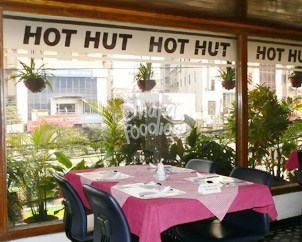
His architectural awareness becomes vivid as he recollects dating in Dhaka and meeting his wife, Farzana. He analyzes the then very few dating venues according to a dynamic of privacy and public announcement. For example, Big Bite with it’s glass façade was a place to announce one’s romantic affiliations, in contrast, Hot Hut, located on a second floor was spatially appropriate for a private date. Mediating the two, public and private modes, was Shawarma Inn which offered strategic exposure. It is also interesting to note that all these “dating” sites were foreign foods of burgers, fries, pizza and sandwiches. I wonder why that is? Are deshi curries or kababs inherently unromantic? Not only does his articulate the interior space of each location but also the cartographic position in terms of Dhaka city neighborhoods. Again, if we listen to Farhan’s stories, all food experience is contextual, architectural and social.

The three memory fragments show the evolution of a child aware of parental taste and cultural difference, to a young man eager to claim his political place in the world to a man courting and building a shared future. The stories show food as sensual, spatial and social…..as essentially atmospheric.

Thank you for sharing your stories, Farhan.

Next time we’ll hear about his experience working at a pizza place and an Egyptian restaurant in Australia.

Happy Food Stories!

Hungryphil

Dear Fellow Food Philosophers,

I am collecting food philosophies through three guiding and loose questions:

  1. Consumption: What are your memories of food?
  2. Production: What are your guiding principles for making food?
  3. Demonstration: What would show your philosophy of food?

Please contact me, if you (or anyone you know…..anyone who is involved in making food…not just chefs) would like to share your philosophy with me. Thank you!

“Epic” S’mores (according to Jim)

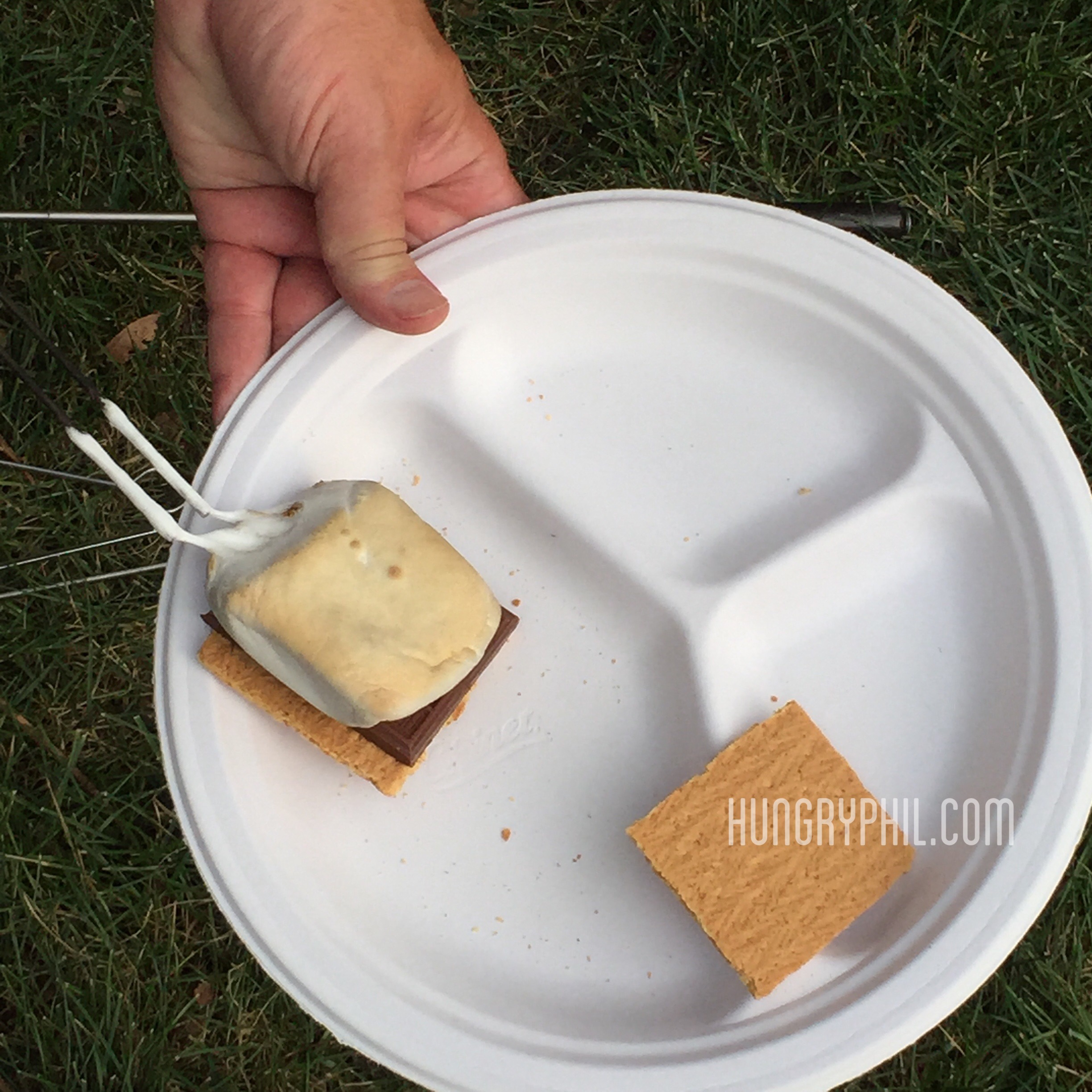
Jim, my beloved, strongly suggested that I write a blog post about his “epic” s’more production last Sunday. So, this is for you, Jim. There was fire, chocolate, graham crackers, marshmallows. Yes, the s’mores were very delicious if not “epic.” The combination of a beautiful summer evening, building a fire, individual roasting and assembling, messy outdoor eating, make s’mores a magical and fun family experience. There was a moment of debate about the merits of new square marshmallows versus round marshmallows. I felt the round was better for uniform roasting over an open fire, while Jim sung the merits of the square’s easy consistent assembly over the also square graham crackers and chocolate. It is still an unresolved debate between whether the marshmallow should relate to the stick and fire or the crackers and chocolate. What do you, my fellow hungry philosophers, think?
   
Last weekend Jim also gleefully discovered roasted hatch chilies at our local super market. 

With help from a few boiled tomatillos (probably should’ve roasted those too… Next time), garlic, salt, cilantro, we now have yummy salsa verde waiting to become chicken enchiladas tonight and maybe something else another night.


 Good discovery, Jim. What a busy weekend we had! What are we doing for Labor Day Weekend?

Milk Carton History

95293-425x282-Milk_Bottles

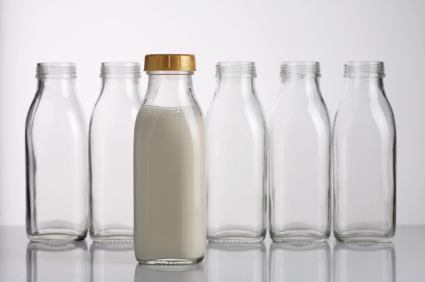
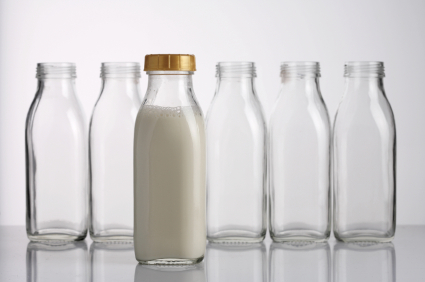
I recently discovered the podcast Food: Non-Fiction where the hosts were discussing the history of the milk carton. Worth a listen if you ever wondered what happened to those wonderful glass milk bottles? Or, if you wondered why were there images of missing children on the paper cartons during the 1980s?

Here is a few interesting facts:

  1. The milk carton essentially developed along with the refrigerator. Its an example of one technology changing related objects. One, following Levi Bryant’s argument in Onto-cartography, could say that the gravity of the refrigerator mediated the shape of the milk carton.
  2. John Von Wormer developed and patented the carton in 1915. It took at least three decades for both the refrigerator and the milk carton to catch on.
  3. I wonder what prompts the gallon milk jugs? Thoughts?
  4. In the future, our refrigerators will be able to scan the bar codes and keep track when our milk spoils.

internet-of-things-5

LG Smart Refrigerator:  https://uxmag.com/articles/the-internet-of-things-and-the-mythical-smart-fridge

Other links:

http://www.foodnonfiction.com/2015/07/designing-milk-carton.html

http://www.theatlantic.com/national/archive/2012/08/the-surprising-history-of-the-milk-carton/260587/

http://www.ideafinder.com/history/inventions/milkcarton.htm

image from http://antiques.lovetoknow.com/Antique_Milk_Bottles

Ugly is not Rotten: Wasteful beauty standards in supermarket food

waste-food-3

Before we blame the supermarkets for wasteful food practices, we must remember that those practices are in place because WE the consumers are complicit. The August 18th BBC news article entitled Is France’s supermarket waste law heading for Europe? cites that according to the French Ministry of Ecology 67% of food is wasted by consumers themselves. I am just as guilty. I have thrown out bananas, fruit with blemishes or squishy parts. Most of the time because I’m lazy and don’t want to take the extra few minutes to cut around bruises. A few days ago we had waffles with fruit toppings: blueberries, strawberries, mangoes and pears. The pears were soft and ripe, I diced them all but alas we did not eat them. In the trash they went. In retrospect, maybe I should’ve made a tart. The mangoes were declared the “best ever.” I pointed out that I had to cut around all the over-ripe and bruised parts to get to the juicy sweet perfect mango flesh. Let that be a lesson to myself. Don’t judge a mango by it’s bruises. In order to eat better, I’ve been buying more produce but I also find I’ve been throwing away a lot too. Mostly, because I don’t shop everyday and super market vegetables spoil quickly.  The number of eaters in my household fluctuates every week, one kid eats yellow peppers, sugar snap peas, the other eats strawberries and bananas, while another eats eggplant and pineapple. They are very hungry for very different tastes almost none of which they can finish on their own. Cravings also fluctuate. One week avocados are adored, other weeks neglected. Some weeks I have more time to cook than others. There are a lot of variables that come between my good waste-less intentions and well… The trash can. I have yet to figure out the optimal way to keep the fridge stocked while wasting little. This as much as a personal struggle as public.

As penance I’ve started to volunteer at Second Helpings. A wonderful Indianapolis organization that functions as a community kitchen making about 2500 meals daily out of rescued food from supermarkets while also offering culinary job  training. (My second shift was today. I spent four hours dicing zucchini and prepping them to be roasted. The scale of the kitchen is impressive. The organization deserves it’s own blog entry in the near future.) Very recently, I threw out some cucumbers that went soft and fuzzy white in my refrigerator bin. Yuck. Sorry cucumbers for not loving you enough. Yes, it was time to volunteer.

Here is my beginning research about food waste. Staggering numbers. According to the UN’s Food and Agricultural Organization, “one third of all food produced for human consumption is lost or wasted before it is eaten.” Mindful eating can certainly reduce the number of hungry people and increase the number of hungry philosophers! In theory. The idea leads us back to childhood stories designed to help us finish the food on our plate. But, how does my not wasting food, help feed the hungry?

I’ll learn more before World Food Day: October 16th and report back.

Wishing you mindful and delicious eating,

Hungryphil

http://www.worldfooddayusa.org/food_waste_the_facts

http://www.bbc.com/news/magazine-33907737

http://www.bbc.com/news/business-28092034

http://www.theguardian.com/world/2015/may/22/france-to-force-big-supermarkets-to-give-away-unsold-food-to-charity

http://thespiritscience.net/2015/05/30/france-has-made-it-illegal-for-supermarkets-to-waste-food-punishable-by-75000-or-jail/

http://www.theatlantic.com/international/archive/2015/05/law-france-supermarkets-food-waste/394481/

http://www.aljazeera.com/news/2015/05/france-food-waste-supermarkets-150522070410772.html

http://www.foodwastemovie.com/about/

http://www.wastedfood.com/

http://www.bonappetit.com/entertaining-style/trends-news/article/fruit-vegetable-beauty-standards

Home

Image from CNN.com

Why Hungry Philosophy?

Its late. My once dull headache now pounds furiously. My mouth, so dry, can no longer hold words. The murmur of bubbling, gurgling emptiness inside now pervades my whole body with an angry pulse. I feel like an imploding star and my stomach growls in angry protest. I am caving in, hungry.

For us fortunate ones, writing in the comfort of a home with a well stocked pantry and fridge, it is difficult to describe the primal animal pangs of hunger. We have the audacity and luxury to ask “what’s for dinner?” They are too many of us who know hunger all too well and are not reading this blog or scouring the net for recipes. It occurs to me that I have yet to explain why “the hungry philosopher.” I have not “known” hunger. I have been an occasional tourist, when fasting or skipping an occasional meal. My few years in Bangladesh, notorious for hungry people, I enjoyed a steady rhythm of four meals a day (including tea) surrounded by lush fruit trees and the heavy scent of sauteing ginger, garlic and onions lazily wafting from the distant kitchen across the veranda. I have seen hunger. It looks like a strange combination of restless anxiety and despondent lethargy. Famed Bangladeshi artist, Zainul Adedin’s depiction of the 1940s famine (now housed in the British Museum) may help visualize.

P19=====012

from http://departmag.com

It is disheartening for me to know that where I live, one of richest countries in the world, dehumanizing hunger is allowed to exist. I am not an expert on hunger and cannot not speak on it’s ruthless behalf. My reference to hunger is perhaps ashamedly cerebral and poetic. Consider this both an apology and a belated explanation.

The hungry philosopher thinks by visualizing and tasting, by confronting primal anxieties through an awareness of life sustaining small things ingested and shared, like kale, bread and blueberries. This is merely an account of my struggle to conjure meaning out of suburban existence marked by grocery at Payless, soccer games on cold wet mornings, weekday afternoon dance classes, rushed dinners, rattling washer-dryers, sink full of dishes and repeat.  No grand Pioneer woman prairie vistas, Anthony Bourdain exotic layovers, Ina Garten Hampton elegance or Giada ocean views. No. This is a bitter cold winter and long summer twilight Mid-western small town. I hunger and long for escape to either exciting coast only to rush back to the safety and ease of the empty Indianapolis airport. We make small meanings here. The popcorn festivals, the farmer’s markets, the ice-cream socials, the community bbqs, the Mainstreet festivals, the school fundraisers, the “diverse world community” celebrations and yes, the family dinner are all a part of that struggle. I once heard there are only one of three reasons to live anywhere: family, job or beauty. Confessedly, for most of the year, beauty is not the reason to live in suburban West Lafayette, Indiana. The charm of sleepy small towns is lost on immigrants, like myself, craving the support of big city economic, racial, religious, sexual diversity and comforting anonymity. This blog is about finding myself in that real and imagined larger world, beyond cosmopolitan cities, across space and time through internet magic. Here you are reading my words. What do we have in common? We are all struggling to make meaning of our everyday through the meals we eat. We are a community of eaters aware of our visceral and virtual dependence on others for emotional and biological sustenance and assurance. The hungry philosopher in all of us is hungry for a plated robust life. I don’t know why you are still generously reading this, except that maybe wherever you are, you are hungry and struggling to plate meaning too. This blog is not about helping you make meaning but helping you recognize that you already are.

I’d like to end with how chef Gabrielle Hamilton’s describes her taste of hunger and why it is the organizing principle of her restaurant having “understood hospitality and care from a recipient’s point of view.” She writes,

I came to see hunger as being as important a part of a stage as knife skills. Because so much of starving on that trip led to such an enormous amount of time fantasizing about food, each craving became fanatically particular. Hunger was not general, ever, for just something, anything, to eat. My hunger grew so specific I could name every corner and fold of it. Salty, warm, brothy, starchy, fatty, sweet, clean and crunchy, crisp and watery, and so on.”