
Food as Atmospheric – Interview with Farhan Karim

Dear fellow hungry philosophers,
Here are few short food vignettes from my conversation with architecture professor, Farhan Karim at the University of Kansas. I was wonderfully struck by the atmospheric clarity of his food memories. These stories definitively show how an architect remembers enjoyable experiences —as graphically spatial, social and sensual.

The first memory that Farhan shares is about growing up in Abu Dhabi and eating his mom’s favorite chicken shawarma on the beach with his family. This fascination and enjoyment of public uncomplicated street food repeats in his later stories. He remembers the open, fun, picnic-like atmosphere as much as the food itself. He describes his eating experience in Abu Dhabi both architecturally and gastronomically. For example, the “midrise urban morphology” (his words, not mine) devoted the first floor to commercial businesses, most often restaurants and more importantly bread stalls selling roti. These restaurants mostly served single men working in Abu Dhabi during its construction boom. While his mom enjoyed the beach side shawarma sandwiches, spiced curries like Bhindi Gosht and Mutton Masala from the local Malayam restaurant were his father’s favorites. Probably related to those restaurant dishes he specifically associates the spice “methi” or fenugreek with his childhood in Abu Dhabi. His stories are representative of fragmented and fleeting childhood memories of parental preferences, clashing cultural nuances, specific smells and spaces.

STAR-HOTEL-&-KABAB

image from: http://www.foodbangla.com/menu.php?res_id=77

_MG_1695

http://foodknowledgebd.blogspot.com/2013/02/haji-biryani.html

In contrast, his young adult memories of college in Dhaka are structured and show a deliberate search for personal narrative and taste. He speaks of “discovering Dhaka through the materialization of food sources.” Cultivating a sense of nationalist pride he frequented public street food stall that sold kababs and biriyani. Similar to the public, social and casual Abu Dhabi beach side and restaurant eating, his food memories of this time period involve friends and political debates.
857fe7ea-e8aa-ca3d-9677-08d159c57c91_720x430

Image from: http://thedhakafoodies.com/Restaurants/Details/hot-hut-food/L1ZL649PA5
3c1c062c-abfb-c128-dd87-08d182be4c41_medium

Image from: http://thedhakafoodies.com/Restaurants/Details/Big-Bite/N3VRKHYYYZ

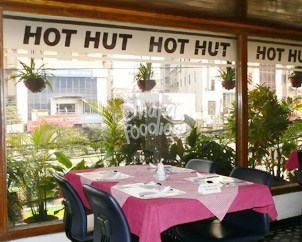
His architectural awareness becomes vivid as he recollects dating in Dhaka and meeting his wife, Farzana. He analyzes the then very few dating venues according to a dynamic of privacy and public announcement. For example, Big Bite with it’s glass façade was a place to announce one’s romantic affiliations, in contrast, Hot Hut, located on a second floor was spatially appropriate for a private date. Mediating the two, public and private modes, was Shawarma Inn which offered strategic exposure. It is also interesting to note that all these “dating” sites were foreign foods of burgers, fries, pizza and sandwiches. I wonder why that is? Are deshi curries or kababs inherently unromantic? Not only does his articulate the interior space of each location but also the cartographic position in terms of Dhaka city neighborhoods. Again, if we listen to Farhan’s stories, all food experience is contextual, architectural and social.

The three memory fragments show the evolution of a child aware of parental taste and cultural difference, to a young man eager to claim his political place in the world to a man courting and building a shared future. The stories show food as sensual, spatial and social…..as essentially atmospheric.

Thank you for sharing your stories, Farhan.

Next time we’ll hear about his experience working at a pizza place and an Egyptian restaurant in Australia.

Happy Food Stories!

Hungryphil

Dear Fellow Food Philosophers,

I am collecting food philosophies through three guiding and loose questions:

  1. Consumption: What are your memories of food?
  2. Production: What are your guiding principles for making food?
  3. Demonstration: What would show your philosophy of food?

Please contact me, if you (or anyone you know…..anyone who is involved in making food…not just chefs) would like to share your philosophy with me. Thank you!

“Epic” S’mores (according to Jim)

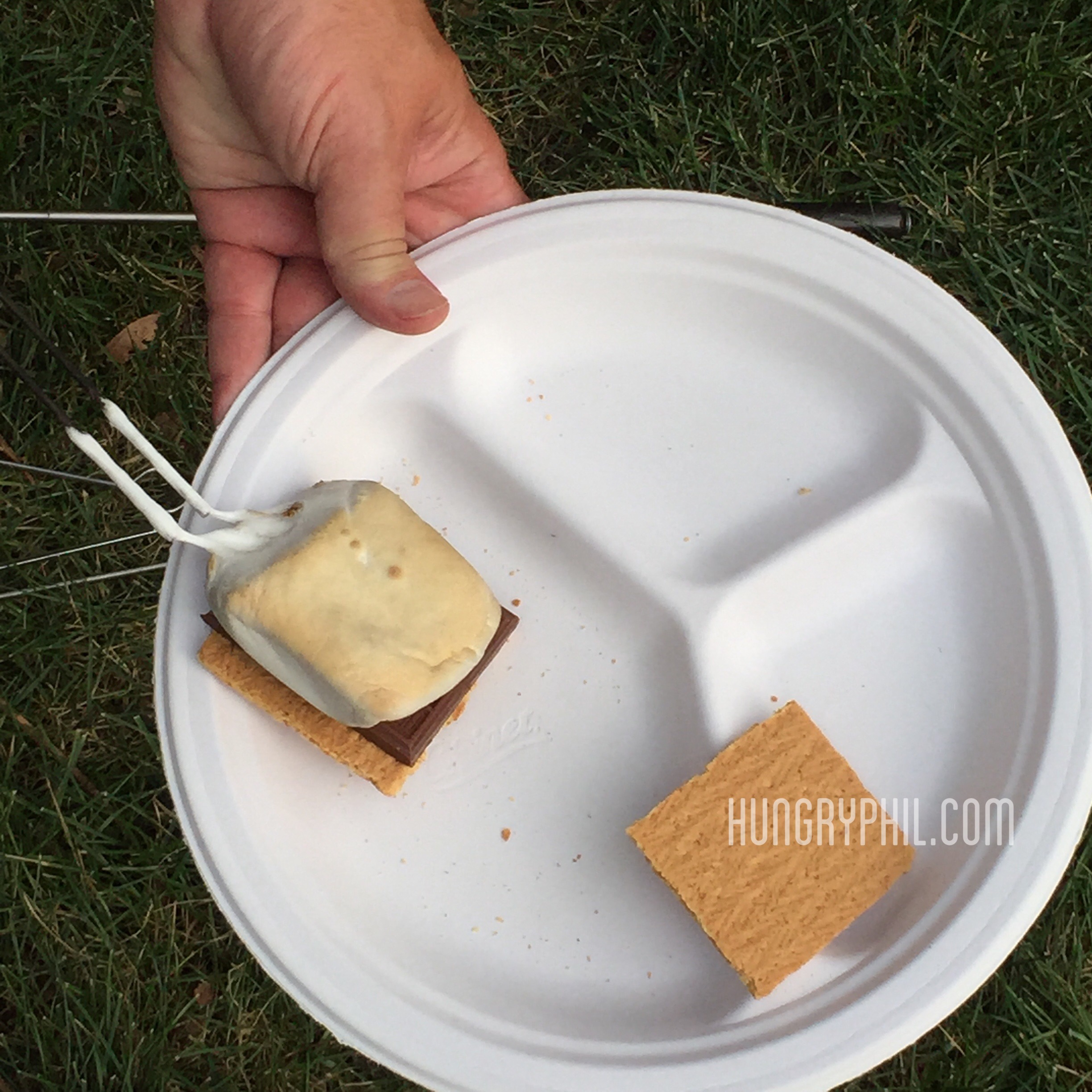
Jim, my beloved, strongly suggested that I write a blog post about his “epic” s’more production last Sunday. So, this is for you, Jim. There was fire, chocolate, graham crackers, marshmallows. Yes, the s’mores were very delicious if not “epic.” The combination of a beautiful summer evening, building a fire, individual roasting and assembling, messy outdoor eating, make s’mores a magical and fun family experience. There was a moment of debate about the merits of new square marshmallows versus round marshmallows. I felt the round was better for uniform roasting over an open fire, while Jim sung the merits of the square’s easy consistent assembly over the also square graham crackers and chocolate. It is still an unresolved debate between whether the marshmallow should relate to the stick and fire or the crackers and chocolate. What do you, my fellow hungry philosophers, think?
   
Last weekend Jim also gleefully discovered roasted hatch chilies at our local super market. 

With help from a few boiled tomatillos (probably should’ve roasted those too… Next time), garlic, salt, cilantro, we now have yummy salsa verde waiting to become chicken enchiladas tonight and maybe something else another night.


 Good discovery, Jim. What a busy weekend we had! What are we doing for Labor Day Weekend?

(Food Poem) The Health-Food Diner by Maya Angelou

The Health-Food Diner
No sprouted wheat and soya shoots
And Brussels in a cake,
Carrot straw and spinach raw,
(Today, I need a steak).

Not thick brown rice and rice pilaw
Or mushrooms creamed on toast,
Turnips mashed and parsnips hashed,
(I’m dreaming of a roast).

Health-food folks around the world
Are thinned by anxious zeal,
They look for help in seafood kelp
(I count on breaded veal).

No smoking signs, raw mustard greens,
Zucchini by the ton,
Uncooked kale and bodies frail
Are sure to make me run

to

Loins of pork and chicken thighs
And standing rib, so prime,
Pork chops brown and fresh ground round
(I crave them all the time).

Irish stews and boiled corned beef
and hot dogs by the scores,
or any place that saves a space
For smoking carnivores.

From:

http://www.poemhunter.com/poems/food/

Milk Carton History

95293-425x282-Milk_Bottles

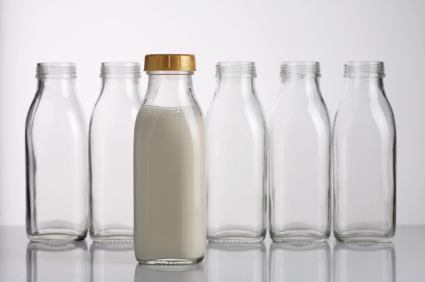
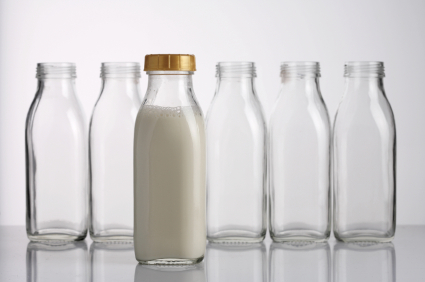
I recently discovered the podcast Food: Non-Fiction where the hosts were discussing the history of the milk carton. Worth a listen if you ever wondered what happened to those wonderful glass milk bottles? Or, if you wondered why were there images of missing children on the paper cartons during the 1980s?

Here is a few interesting facts:

  1. The milk carton essentially developed along with the refrigerator. Its an example of one technology changing related objects. One, following Levi Bryant’s argument in Onto-cartography, could say that the gravity of the refrigerator mediated the shape of the milk carton.
  2. John Von Wormer developed and patented the carton in 1915. It took at least three decades for both the refrigerator and the milk carton to catch on.
  3. I wonder what prompts the gallon milk jugs? Thoughts?
  4. In the future, our refrigerators will be able to scan the bar codes and keep track when our milk spoils.

internet-of-things-5

LG Smart Refrigerator:  https://uxmag.com/articles/the-internet-of-things-and-the-mythical-smart-fridge

Other links:

http://www.foodnonfiction.com/2015/07/designing-milk-carton.html

http://www.theatlantic.com/national/archive/2012/08/the-surprising-history-of-the-milk-carton/260587/

http://www.ideafinder.com/history/inventions/milkcarton.htm

image from http://antiques.lovetoknow.com/Antique_Milk_Bottles

Ugly is not Rotten: Wasteful beauty standards in supermarket food

waste-food-3

Before we blame the supermarkets for wasteful food practices, we must remember that those practices are in place because WE the consumers are complicit. The August 18th BBC news article entitled Is France’s supermarket waste law heading for Europe? cites that according to the French Ministry of Ecology 67% of food is wasted by consumers themselves. I am just as guilty. I have thrown out bananas, fruit with blemishes or squishy parts. Most of the time because I’m lazy and don’t want to take the extra few minutes to cut around bruises. A few days ago we had waffles with fruit toppings: blueberries, strawberries, mangoes and pears. The pears were soft and ripe, I diced them all but alas we did not eat them. In the trash they went. In retrospect, maybe I should’ve made a tart. The mangoes were declared the “best ever.” I pointed out that I had to cut around all the over-ripe and bruised parts to get to the juicy sweet perfect mango flesh. Let that be a lesson to myself. Don’t judge a mango by it’s bruises. In order to eat better, I’ve been buying more produce but I also find I’ve been throwing away a lot too. Mostly, because I don’t shop everyday and super market vegetables spoil quickly.  The number of eaters in my household fluctuates every week, one kid eats yellow peppers, sugar snap peas, the other eats strawberries and bananas, while another eats eggplant and pineapple. They are very hungry for very different tastes almost none of which they can finish on their own. Cravings also fluctuate. One week avocados are adored, other weeks neglected. Some weeks I have more time to cook than others. There are a lot of variables that come between my good waste-less intentions and well… The trash can. I have yet to figure out the optimal way to keep the fridge stocked while wasting little. This as much as a personal struggle as public.

As penance I’ve started to volunteer at Second Helpings. A wonderful Indianapolis organization that functions as a community kitchen making about 2500 meals daily out of rescued food from supermarkets while also offering culinary job  training. (My second shift was today. I spent four hours dicing zucchini and prepping them to be roasted. The scale of the kitchen is impressive. The organization deserves it’s own blog entry in the near future.) Very recently, I threw out some cucumbers that went soft and fuzzy white in my refrigerator bin. Yuck. Sorry cucumbers for not loving you enough. Yes, it was time to volunteer.

Here is my beginning research about food waste. Staggering numbers. According to the UN’s Food and Agricultural Organization, “one third of all food produced for human consumption is lost or wasted before it is eaten.” Mindful eating can certainly reduce the number of hungry people and increase the number of hungry philosophers! In theory. The idea leads us back to childhood stories designed to help us finish the food on our plate. But, how does my not wasting food, help feed the hungry?

I’ll learn more before World Food Day: October 16th and report back.

Wishing you mindful and delicious eating,

Hungryphil

http://www.worldfooddayusa.org/food_waste_the_facts

http://www.bbc.com/news/magazine-33907737

http://www.bbc.com/news/business-28092034

http://www.theguardian.com/world/2015/may/22/france-to-force-big-supermarkets-to-give-away-unsold-food-to-charity

http://thespiritscience.net/2015/05/30/france-has-made-it-illegal-for-supermarkets-to-waste-food-punishable-by-75000-or-jail/

http://www.theatlantic.com/international/archive/2015/05/law-france-supermarkets-food-waste/394481/

http://www.aljazeera.com/news/2015/05/france-food-waste-supermarkets-150522070410772.html

http://www.foodwastemovie.com/about/

http://www.wastedfood.com/

http://www.bonappetit.com/entertaining-style/trends-news/article/fruit-vegetable-beauty-standards

Home

Image from CNN.com

Second Raw Spice Bar Journey: Jamaican Fish Tacos


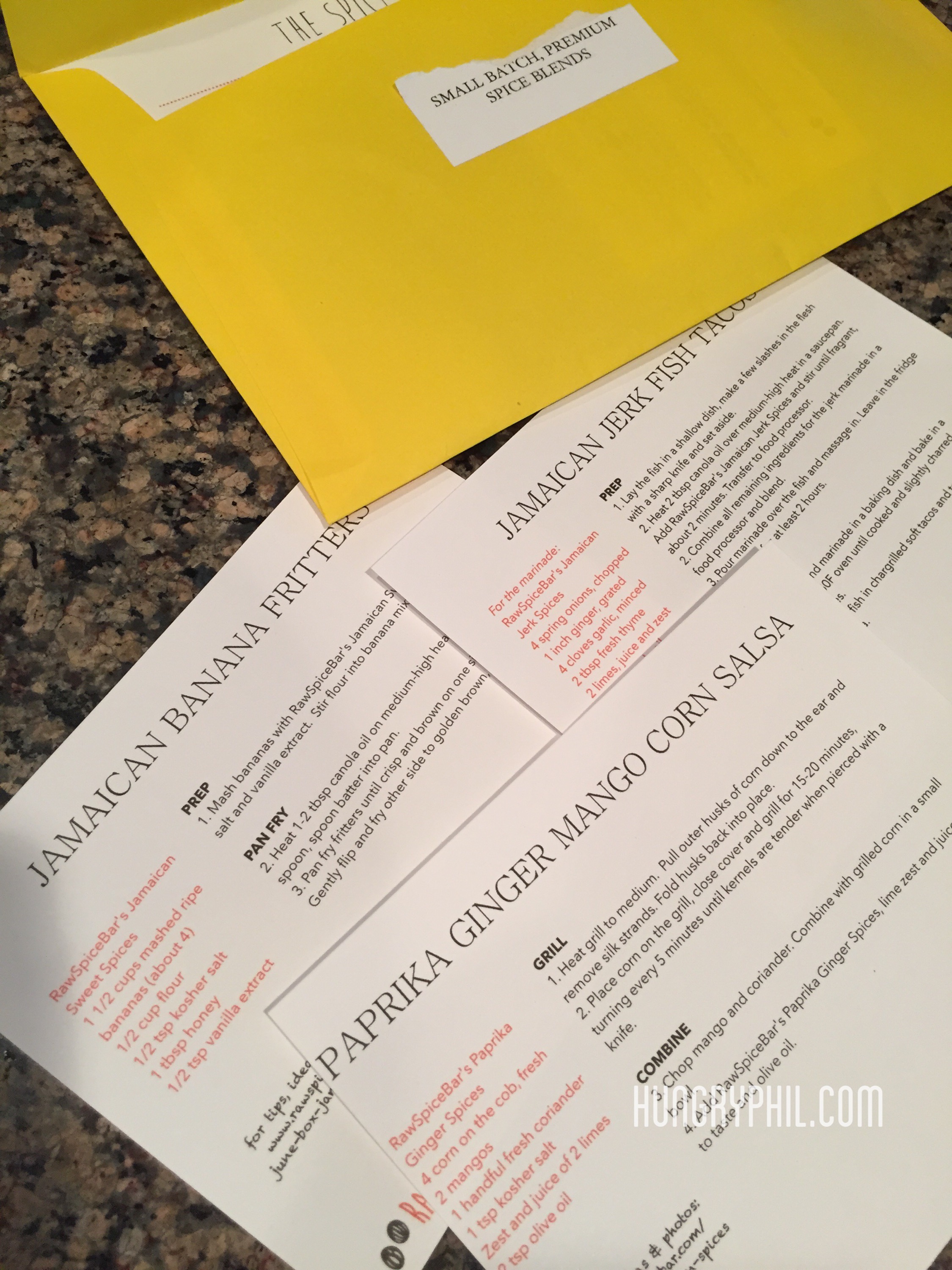
My June culinary trip courtesy of my subscription to the online spice purveyor, Raw Spice Bar was to Jamaica. With all the summer fun and travel, it was August before we had the chance to use the delicious recipes and accompanying spices. The delightfully light and tropical menu involved jerk fish tacos, mango corn salsa and banana fritters.  The fish tacos were layered with smoky and fresh flavors, as was the ginger corn salsa.  The combination of heat and fruit gave the meal a distinct island feel. Really good. My food writing is not doing the meal justice. The recipes taught me a few new techniques, like grilling the corn in the husk for 20 minutes for the salsa. And, that salsa can have warm, hearty flavors like ginger and paprika. I also learned that white flaky fish can stand up to heavily spiced marinades and the substantive chew of corn salsa. These were not dainty and delicate fish tacos. I have to confess, like my first experiment and trip to Peru, the dessert was not my favorite. But, I was happy to be challenged by the unusual spicy sweet banana fritters. What a wonderful way to spend an Indiana summer evening on the porch with friends tasting far away flavors together! Thank you, Les and Kara for gastronomically traveling to Jamaica with us and bringing the pina coladas.

https://rawspicebar.com/june-jamaican-spice-box/

If as philosopher Levi Bryant writes, “A recipe is a machine that performs operations on a cook, leading that cook, in her turn, to perform certain operations on various cooking utensils and ingredients” then this culinary trip to Jamaica made me mindful of  all the negotiated details that involved the spice packets, the recipe directions, the ingredients, the cooking methods and utensils, the cultural tastes, my skill level and taste preference, online shopping, reliable mail delivery, producers and collectors of the spices, and more. It mediated a different organization of familiar ingredients. I’ll be thinking about the gravity and media of Jamaican Fish Tacos for a while. More later on recipes as machines, ala Levi Bryant’s machine-oriented ontology.

Garden to Table


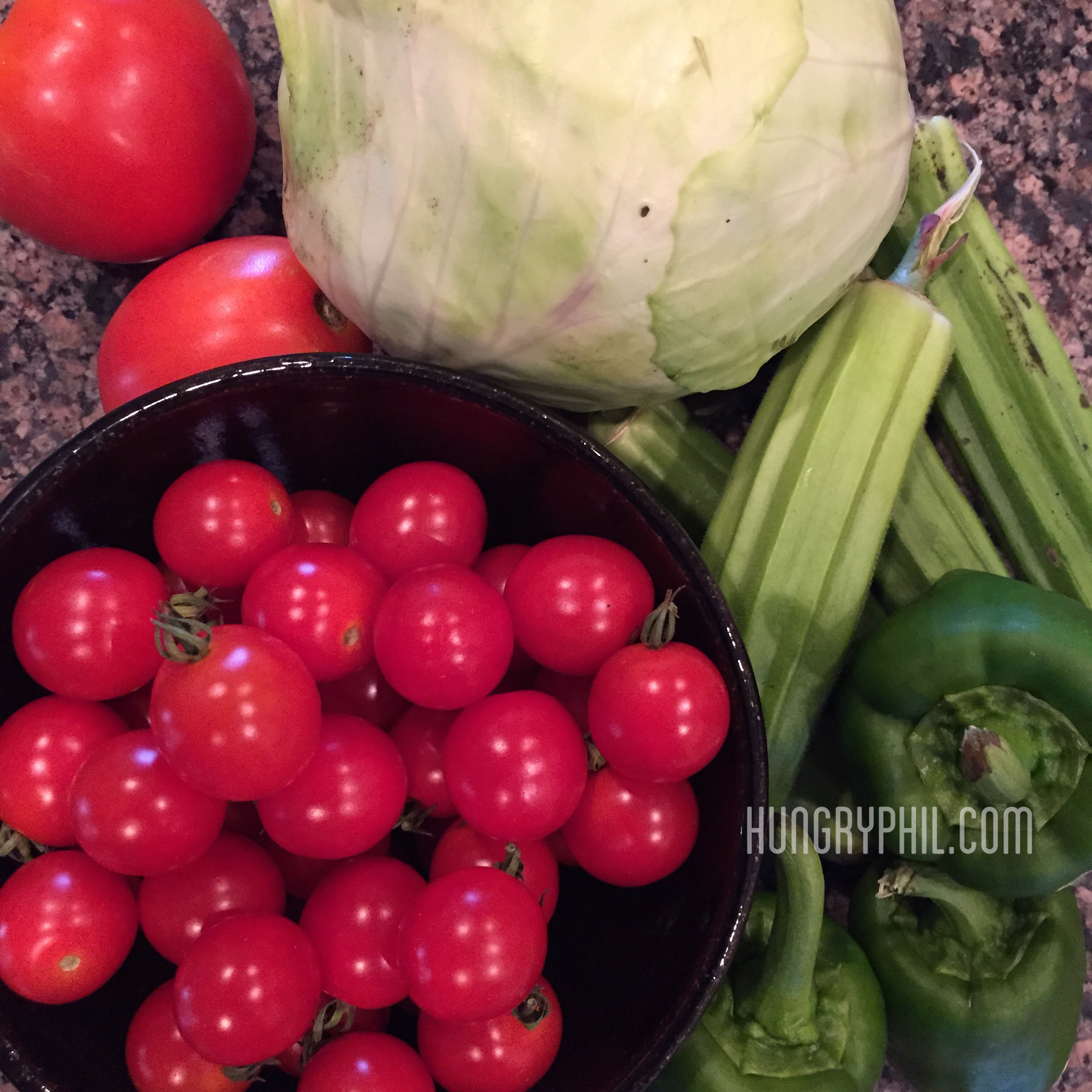
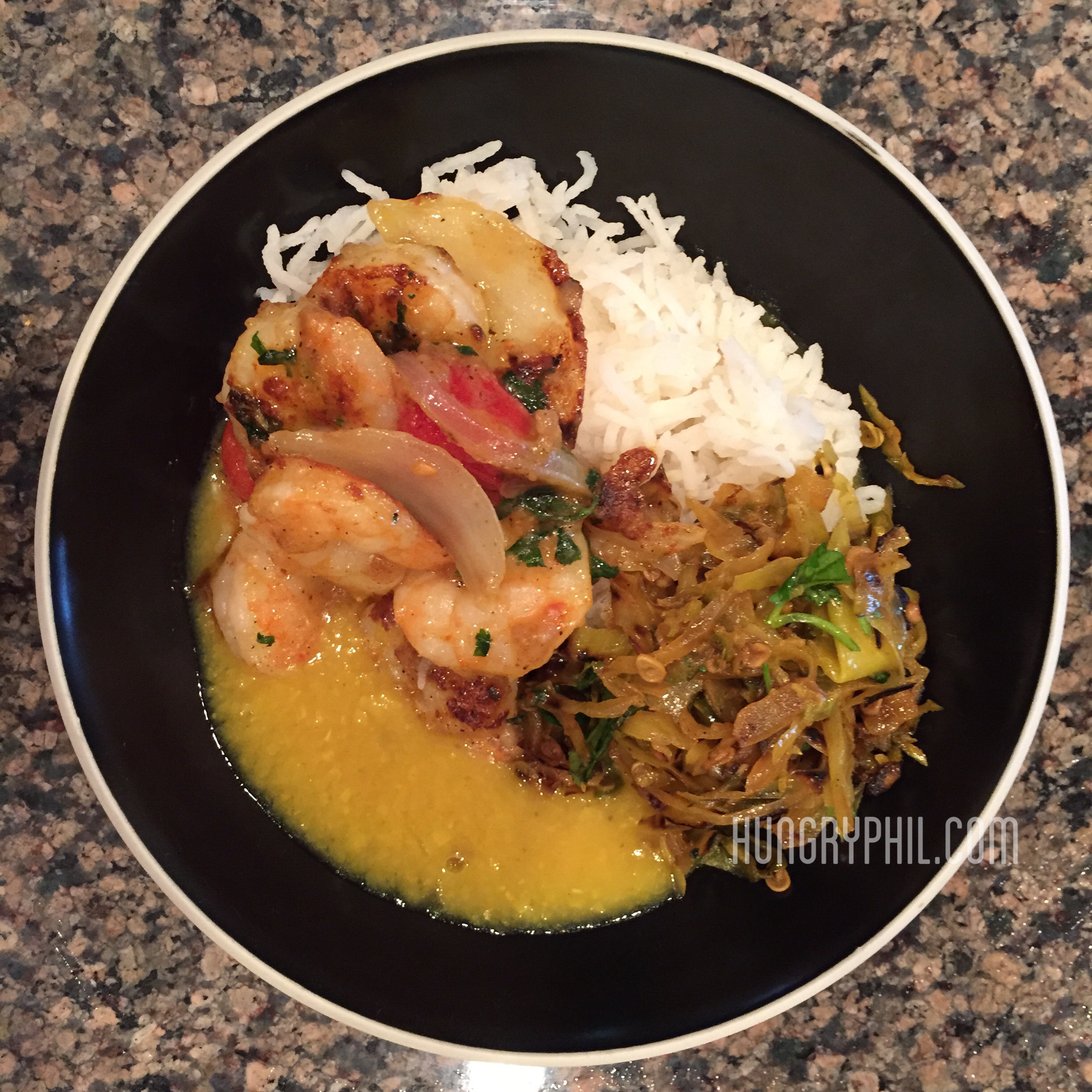
Summer garden bhaji is what I decided to make with my friend Meg’s gift of fresh veggies this week. A bhaji is basically a stir fry of shredded vegetables with turmeric, onions and other spices ( if desired). Meg’s garden bhaji was a combination of cabbage, green peppers and okra. I added the juicy red cherry tomatoes to a dry shrimp sauté. Some simple dal, lentil soup and rice complete deshi dinner night. Stir fry or bhaji is an easy solution to having little bits of a variety of vegetables.  A good wok is worth having in a busy kitchen. Mine just lives on my stove. This garden to table dinner is a product of west Lafayette, good friends who garden, south Asian cooking techniques and spices. Its a dinner that reminds me of my friend down the street with her bountiful garden, my Bhabi (sister-in-law) who first  taught me how to make a bhaji, my baby girl’s craving for “home food,” my southern-raised beloved’s request for dal and how I need to make this for my vegetarian, Indian-food aware friend, Kathy.  Food is magic in its ability to bring such diversity together, just like a mixed vegetable bhaji. 

Who inspires your dinner plate tonight?

Splitting an Order – Food Poem by Ted Kooser

I like to watch an old man cutting a sandwich in half,
maybe an ordinary cold roast beef on whole wheat bread,
no pickles or onion, keeping his shaky hands steady
by placing his forearms firm on the edge of the table
and using both hands, the left to hold the sandwich in place,
and the right to cut it surely, corner to corner,
observing his progress through glasses that moments before
he wiped with his napkin, and then to see him lift half
onto the extra plate that he had asked the server to bring,
and then to wait, offering the plate to his wife
while she slowly unrolls her napkin and places her spoon,
her knife and her fork in their proper places,
then smoothes the starched white napkin over her knees
and meets his eyes and holds out both old hands to him.

“Splitting an Order” by Ted Kooser from Splitting an Order. © Copper Canyon Press, 2014. From the Writer’s Almanac

http://writersalmanac.org/page/2/

Visualizing Hungryphil: An Exercise of Food and Design

For the past few years this blog has been my space to play with tastes, images and thoughts that relate food, design and philosophy. You, my gracious readers, have endured the thematic restlessness between inauthentic recipes, food poems, food writing excerpts and random questioning. Still, sometimes I don’t know how to explain what this blog is about. So, I decided I needed to show it. Design to the rescue! I needed a visual representation of food, design and philosophy that was playful and somewhat irreverent (decidedly not authoritative). I whined and emailed my friend, graphic designer extraordinaire with a wicked sense of humor, David Wischer. Despite  his busy schedule teaching graphic design at the University of Kentucky he came to my rescue. He sent me about 4 initial ideas (which he doesn’t want me to show because he thinks they are not good….sheesh…artists). I assure you, all were funny and well executed ideas. We decided to merge two of the ideas and worked through the color combinations to arrive at this angry, straining to think owl with a fountain pen and steak knife encased by the web address. I love it!

BanuLisaColorSticker

I hope you like it (and the new blog theme) as well. I’m working out the new look, so please forgive awkward moments the next few weeks.

Thinking through the logo design was helpful in focusing my obsession with complex connections between organic and inorganic consumption.  What would your logo look like?

Find David Wischer and his work at:

http://finearts.uky.edu/faculty/art/david-wischer

http://www.davidwischer.com

instagram: @wischer

Cherry Tomatoes – Food Poem by Anne Higgins

IMG_0760

Suddenly it is August again, so hot,
breathless heat.
I sit on the ground
in the garden of Carmel,
picking ripe cherry tomatoes
and eating them.
They are so ripe that the skin is split,
so warm and sweet
from the attentions of the sun,
the juice bursts in my mouth,
an ecstatic taste,
and I feel that I am in the mouth of summer,
sloshing in the saliva of August.
Hummingbirds halo me there,
in the great green silence,
and my own bursting heart
splits me with life.

“Cherry Tomatoes” by Anne Higgins from At the Year’s Elbow. © Mellen Poetry Press, 2000. from the Writer’s Almanac

http://writersalmanac.org/page/5/